

If you’ve watched Bollywed, you’ll recognize the vibrant mix of South Asian culture, fashion and entrepreneurship shown through the Singh family. The series follows father Kuki Singh and son Chandan Singh as they run Chandan Fashion, a bridal boutique in Toronto’s Little India, while navigating family dynamics, generational differences and the realities of running a small business. Here, the two Singhs answer My MoneySense questions, offering perspectives shaped by life as Canadian immigrants, family business owners and public figures.
Who are your money heroes?
Kuki: My father. He taught me every financial lesson I use today.
Chandan: Jim Rohn influenced me early on with a simple income rule: 70% for living expenses, 10% to charity, 10% to active investments and 10% to passive investments. I try to follow that framework to this day.
How do you like to spend your free time?
Kuki: I’m a big sports fan—especially the Toronto Maple Leafs. Watching games is my favourite pastime.
Chandan: I love to travel, especially when I’m with my wife. Exploring a city’s food and streets is how I slow down and be present. At home, I unwind with video games on PS5/Xbox/Nintendo to escape into different worlds.
If money were no object, what would you be doing right now?
Kuki: I’d spend more time with my granddaughter and friends.
Chandan: I’d take a four-week trip around the world while working remotely and checking in on the business. I love what I do—helping couples with their wedding wardrobe—but I’ve only ever taken a week off at most. More extended downtime would feel like a luxury.
What’s the first thing you remember buying with your own money?
Kuki: Roller skates. No one in my village had them, and I loved skating from one village to another. People warned me I’d get hurt, but I wasn’t afraid—those are good memories.
Chandan: I started young as an entrepreneur. Around age 10 I bought bulk chocolate and resold it at school, then used profits to sell glitter bracelets and later to flip designer polos. I even tried to buy newly launched Xbox consoles and got scammed—losing that investment taught me a lot about risk and entrepreneurship, lessons I likely absorbed watching my parents run the store.
What was your first job?
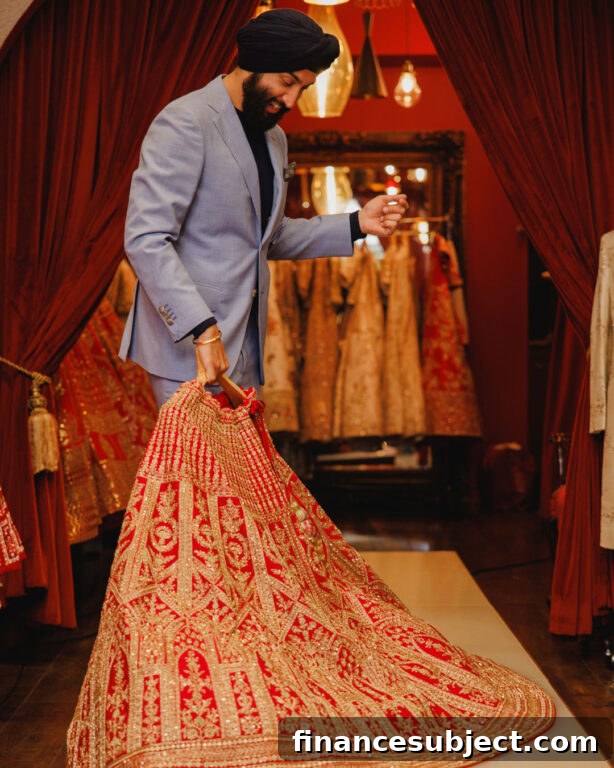
Kuki: Working at my father’s shop. I wasn’t allowed to work elsewhere. I donated my first paycheque at the temple and used earnings to feed those in need—memories I cherish.
Chandan: Like my dad, I started in the family business. At university I briefly taught young kids science at Mad Scientist and then worked as a sous-chef in the campus cafeteria. I loved cooking but eventually focused on my studies. Out of respect I handed my first paycheque to my parents, who then encouraged me to donate it.
What was the biggest money lesson you learned as an adult?
Kuki: Respect money every day. Honesty and hard work prevent most problems. Without honesty, you won’t be successful—I’ve seen that over a lifetime.
Chandan: Adopting the mantra “Money comes easily and frequently” changed my mindset. When I stopped chasing money in fear, life improved. I used to react badly to losses—I once wrote angry emails after getting scammed—but over time I learned to accept loss as part of learning and growth.
What’s the best money advice you’ve ever received?
Chandan: My parents dug for a diamond for 20 years; my job is to cut and polish it. If I can build on what they created, I get a head start and won’t have to worry so much about money. I’m still working on it.
What’s the worst money advice you’ve ever received?
Kuki: To spend impulsively because your friends do. Use your own judgment and ask, “Is this right for me and my family?”
Would you rather receive a large sum all at once or a smaller regular payment for life?
Kuki: Keep the steady income—never kill your golden goose. Consistent money over time is more valuable than a one-time windfall.
Chandan: I’d prefer a reliable smaller amount each period if it covers our essentials. My aim is consistent passive income that supports family needs.
What do you think is the most underrated financial tip?
Kuki: Listen to your parents. They usually have sound guidance.
Chandan: Start investing even with a few dollars. It builds discipline. Also, give even a little—if you don’t give now, you won’t when you have more.
What is the biggest misconception about growing wealth?
Kuki: That you need a lot of money to start. You don’t—use your head and work hard.
Chandan: People often say there’s no money in certain areas because they fear risk. But risk is part of growth. Accepting it changes how you approach investing and opportunity.
Can you share a money regret?
Kuki: I wish I had invested earlier. Properties I once considered are now worth many times more.
Chandan: I don’t carry regrets—just lessons on what to do differently next time.
What does “value” mean to you?
Kuki: Every dollar should be meaningful. I think carefully before spending. Knowing the value of money makes it easier to enjoy occasional splurges—when I take the family out, I focus on the experience, not the bill.
Chandan: I value time and how it relates to money. I might choose a cheaper flight with a stop to enjoy the journey, or split accommodation choices so I can invest in a special experience. It’s about what your money buys in life, not just possessions.
What was your first major purchase?
Kuki: My first store. After immigrating to Canada, I worked overtime to afford rent for my first shop in 1984.
Chandan: My condo. I once got kicked out of a condo foyer while on a date at the Distillery District—years later I bought a unit in that very building and moved in with my wife.
What’s your take on debt?
Kuki: Don’t take on debt you can’t control. Losing control of debt can cost you everything.
Chandan: Debt is a tool. Healthy debt—used strategically—can help you grow. Avoid and manage high-interest credit card debt, which is dangerous.
What was your most recent splurge?
Kuki: I ordered 20 suits from India for the show—my closet needed an update.
Chandan: I bought a Tesla Model Y. Maybe a more affordable car would have sufficed, but life is uncertain and sometimes you choose what brings you joy.
What is the last money-related book you read?
Chandan: Sell or Be Sold by Grant Cardone. The book is bold and loud, but it contains some useful ideas and sales lessons.
What do you always carry in your wallet?
Kuki: Cash and photos of my children.
Chandan: My ID and an Apple AirTag—so I’ll never lose my wallet again.
What is your favourite possession?
Kuki: My collection of suits and matching turbans—I love fashion.
Chandan: I’m not attached to a single item, but I couldn’t start my day without my AeroPress for fresh coffee.
What’s your next money goal?
Kuki: It’s time for the next generation to decide. I want to retire surrounded by grandchildren.
Chandan: My goal is to ensure steady income so I can tell my family, “We’re covered.” That means calculating living expenses, factoring taxes and building income streams to meet those needs.

My MoneySense quick questions
Rent or own?
Kuki: Own property—you’ll always have assets in your name.
Chandan: I was raised to view renting as wasted money, but experience taught me to be flexible. For our second location, buying was impractical due to cost and renovations, so we chose to rent, move quickly and build toward a future purchase.
Buy or lease?
Kuki: Buy.
Chandan: Buy.
Save or invest?
Kuki: Invest to grow your money—don’t be afraid to start.
Chandan: Save, then invest. Repeat. That cycle builds wealth.
Budget or not?
Kuki: My wife handles the accounting—math isn’t my strong suit.
Chandan: Budgeting is essential. It helps you set and reach higher targets or scale back when needed.
Read more My MoneySense:
- “My first experience of buyer’s remorse has guided my spending ever since”, Kerry K. Taylor
- Mixed Up Money’s Alyssa Davies on striving for CoastFIRE, the value of time, and more
- MYNC franchise founder Nathalie Smith on turning a passion project into her full-time job
- “Dragons’ Den” tech titan Michele Romanow on taking risks and betting on yourself