
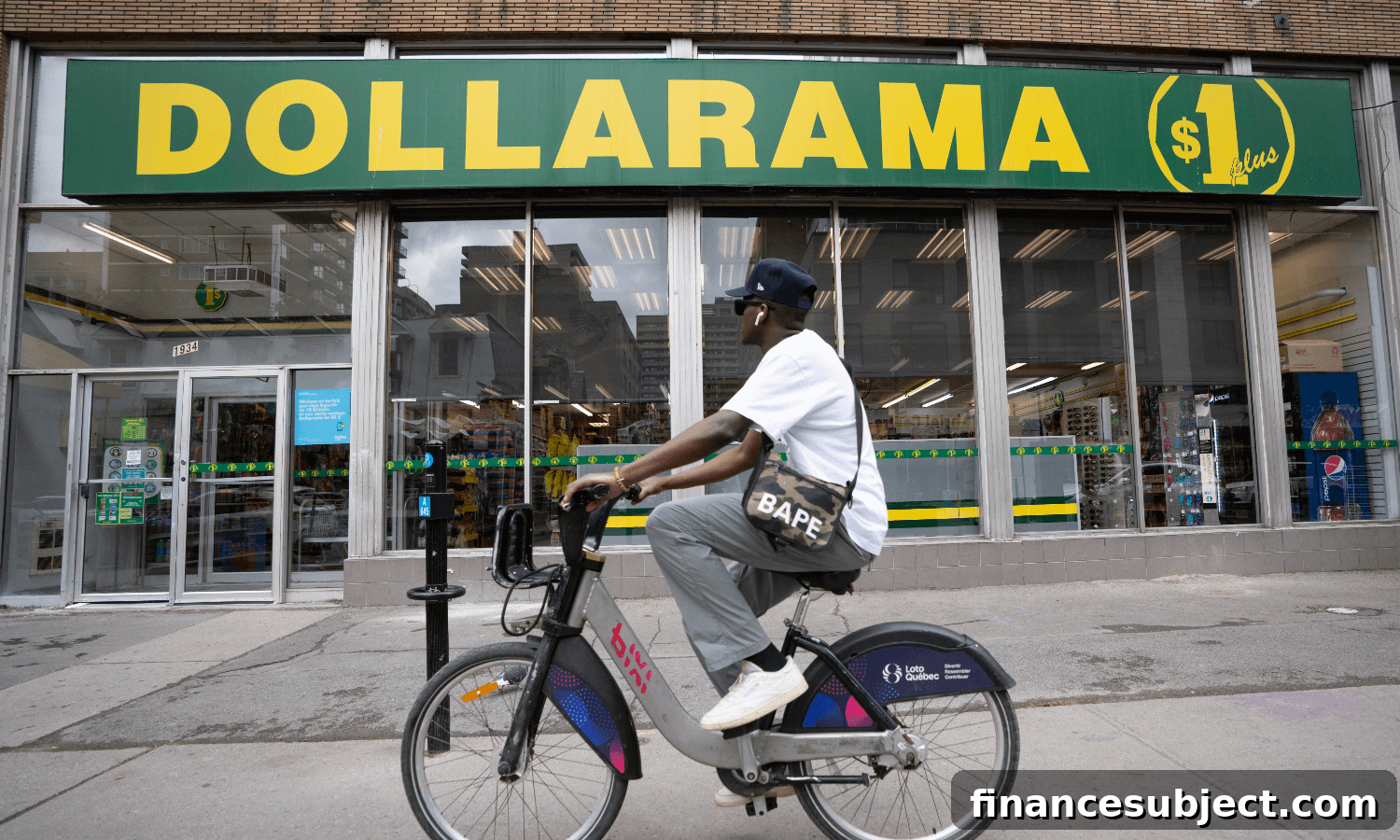
Dollarama Inc.’s food aisles have grown well beyond the occasional candy or gum at the checkout in recent years, but CEO Neil Rossy insists the company is “not in the grocery business,” even as it watches the sector closely.
“It’s just one small part of our store,” Rossy said during an analyst call on Wednesday, Sept. 11, when asked about the retailer’s expanding food assortment and competition from grocers.
“We will keep an eye on all retailers—just as all retailers keep an eye on us—to ensure we remain competitive and understand what’s out there.”
Competition for grocery dollars is growing
Over the past decade, and particularly as Canadians hunt for bargains more aggressively, Dollarama has broadened its food offering to include staples such as bread, cereal, rice and pasta, often priced on par with—or below—supermarket levels.
Competition in the discount end of the market intensified recently when Loblaw Cos. Ltd., Canada’s largest grocery chain, began piloting ultra-discount No Name stores. The trial locations in Windsor, St. Catharines and Brockville, Ontario, are marketed as approximately 20% cheaper than other discount grocers, such as No Frills. Loblaw achieves those savings by using smaller store footprints, offering fewer chilled items and leaning heavily on its No Name brands.
Although Rossy dismissed the idea that Dollarama is trying to become a supermarket, he acknowledged grocers are keen competitors. “All retailers in Canada are realistic about the fact that everyone is everyone’s competition on any given item or category,” he said.
Rossy declined to quantify how much of Dollarama’s sales overlap with Loblaw or the grocery category, arguing the company’s strength lies in its extremely wide assortment rather than in grocery alone.
“What makes Dollarama Dollarama is the very wide assortment across many departments, which in some ways echoes the old five-and-dime or local convenience store,” he said.
Sales growth reflects “solid demand” for everyday essentials
The retailer’s broad merchandise mix helped drive Dollarama to a second-quarter profit of $285.9 million, up from $245.8 million in the same quarter a year earlier, as sales increased 7.4%.
The company reported earnings of $1.02 per diluted share for the 13-week period ended July 28, compared with $0.86 per diluted share in the prior-year period.
Rossy noted the quarter included the start of summer, which this year began with poor weather. “The weather got slightly better towards the end of the summer and our sales certainly increased, but not enough to make up for the season’s horrible start,” he said.
Quarterly sales totalled $1.56 billion, up from $1.46 billion in the same quarter last year.
Comparable-store sales, a key retail metric, rose 4.7%. RBC analyst Irene Nattel highlighted that while the average transaction value fell 2.2%, customer traffic increased by 7%—a pattern she described as “solid demand as cautious consumers focus on core consumables and everyday essentials.”
Featured credit cards
Tangerine Rewards World Elite Mastercard
SimplyCash Preferred Card from American Express
MBNA True Line Mastercard credit card
Canadians hunting for more deals and switching to cheaper brands
Analysts say this shift toward cheaper options reflects stubbornly high interest rates and elevated prices for essential goods, which continue to pressure household budgets. As a result, many shoppers now spend more time hunting bargains, trade down to more affordable store brands and cut back on small luxuries they might have purchased in better economic times.
“When people feel squeezed, they tend to shy away from discretionary items and focus on the basics,” Rossy observed. “When people feel good about their wallets, they’re more relaxed about essentials and more willing to spend on discretionary purchases.”
That dynamic brings not only budget-conscious shoppers to discount retailers, but also customers who might normally bypass them. Rossy noted that when the economy feels tighter, even wealthier consumers may choose to visit a discount outlet rather than pay more elsewhere for the same items.
“When times are tougher, some shoppers will consider the extra five minutes to go to the store next door,” he said, describing how Dollarama can attract a broader range of buyers during periods of economic strain.
Newsletter
Get free MoneySense financial tips, news & advice in your inbox.
Read more news:
- Dollarama earnings report and upcoming growth for the retailer
- Costco and Walmart agree to sign grocery code of conduct
- Food inflation in Canada: Who Canadians blame for rising prices
- Is VFV a good buy? What about other U.S. ETFs with even lower fees?