
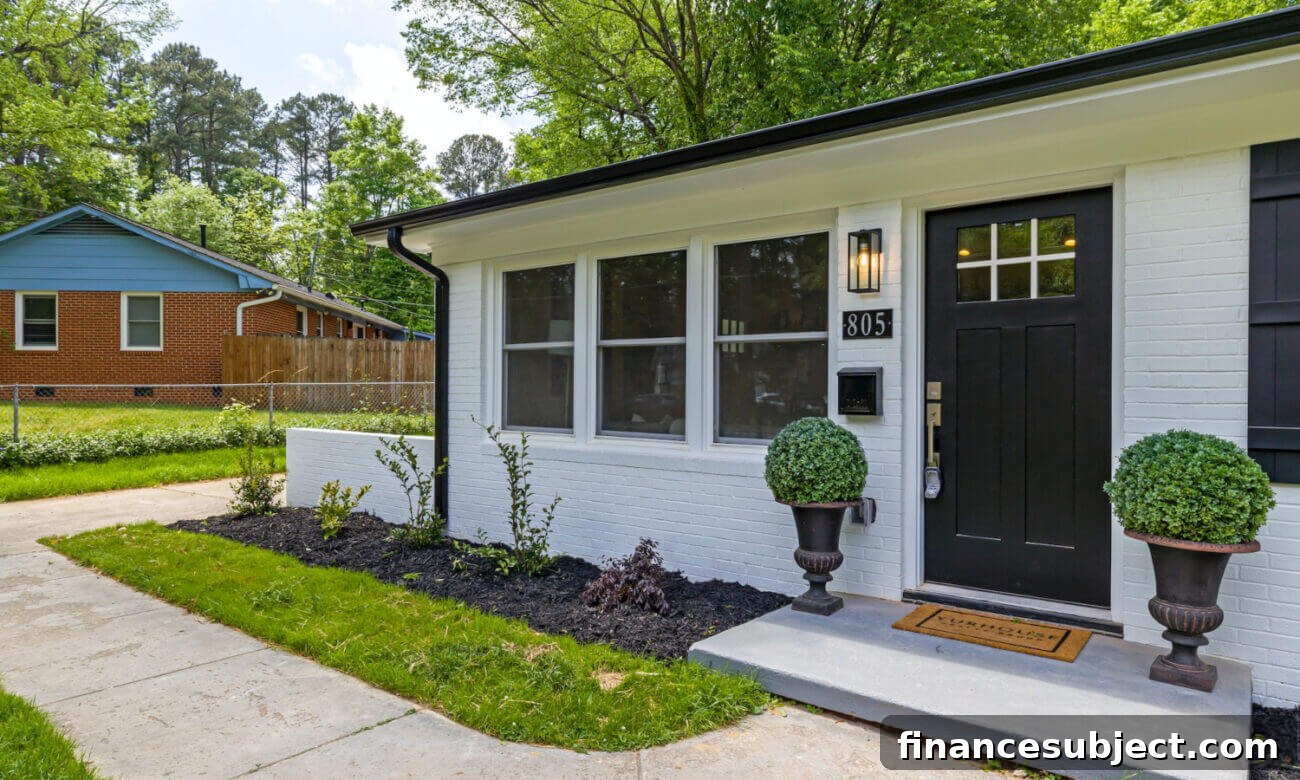
There are many reasons someone might consider buying a second home. You might want a place for a family member to live—such as your daughter while she attends university—or a condo to use during the workweek when you need to be downtown. Before you commit, though, it’s important to determine whether you can truly afford a second property.
“Before you buy a second home, you want to figure out what you’re trying to achieve—your goals and objectives,” says D’Arcy Henneberry, president of online mortgage brokerage MortgagePal. Each lender evaluates income, debt and overall financial profile differently, so your first step should be to speak with a mortgage broker or financial advisor about your situation and goals.
Can I afford to buy a second home?
A second home refers to a property you or a relative will occupy at least part of the year; rules differ for purely rental or investment properties. When deciding whether you can afford a second property, consider your income and budget, debt levels and savings, available equity in your current home, and the mortgage and lending requirements that apply.
Your income and budget
You must be able to budget for the total cost of owning a second home. That includes mortgage payments, utilities, property taxes, insurance, maintenance and any additional carrying costs. A steady income, such as salary from full-time employment, makes mortgage approval easier, but self-employed or contract workers can also qualify if they can document income—through pay stubs, contracts or tax documents such as a notice of assessment.
Some lenders will average fluctuating income over the last two years. The critical point is proving sufficient, reliable income to cover the mortgage and other housing costs. As Henneberry notes, “Affording a mortgage doesn’t mean you qualify for a mortgage. And qualifying for a mortgage doesn’t mean you can afford a mortgage.” High net worth alone won’t substitute for usable income when lenders assess eligibility.
If you’re unsure how a second home fits your finances, meet with a trusted mortgage broker or financial planner to review scenarios and determine whether the purchase aligns with your broader financial plan.
Your debt levels and savings
Before taking on a second mortgage, get your financial house in order. Review outstanding debt—especially high-interest balances—and decide whether to pay them down or preserve cash for a down payment. Brokers sometimes recommend prioritizing high-interest debt repayment, but in other cases it may be better to save cash to meet a lender’s down payment requirements.
“Paying off debt first might actually stop you from being able to get the property, because you’ve used all your money and don’t have money for the down payment,” Henneberry warns. The most advantageous approach depends on your specific debt profile and the lender’s qualification rules.
Your home equity and down payment
A common source of funds for a second-home down payment is the equity in your current primary residence. If you intend to borrow against that equity, you generally need more than 20% equity in your primary home, because most lending options won’t permit borrowing beyond 80% of the property’s value. If you haven’t built that level of equity yet, you’ll need to continue paying down the mortgage or wait until the market increases equity before tapping it for a second purchase.
How much mortgage can I afford for a second home?
If you plan to finance a second home, you must meet down payment, debt ratio, credit score and amortization requirements similar to those for a primary residence. Lenders will also subject your application to a mortgage stress test when you borrow from a prime lender, ensuring you can afford payments if interest rates rise.
Down payment
Down-payment rules for a second home that you will occupy are the same as for a primary residence. For homes under $500,000, the minimum down payment is 5%. For homes between $500,000 and $1,000,000, you must put down 5% on the first $500,000 and 10% on the portion above $500,000. Properties valued at $1,000,000 or more typically require a 20% minimum down payment. If the property will not be occupied by you, different down payment criteria may apply.
Debt ratios and the stress test
Most lenders use gross debt service (GDS) and total debt service (TDS) ratios to assess how much you can borrow. Typical limits are a GDS around 39% and a TDS around 44%, though individual lenders’ thresholds can vary. TDS includes non-mortgage debt payments and is generally about 5 percentage points higher than GDS. Additionally, applicants must usually pass the mortgage stress test, which applies a minimum qualifying rate to ensure mortgage payments remain affordable if interest rates rise.
Credit score and amortization
Credit score requirements for second homes are generally similar to those for primary residences. You can sometimes obtain financing with a score below 600, but the most competitive mortgage rates are usually available with a score in the 680–720 range or higher. If your down payment is less than 20%, amortization is typically capped at 25 years; at 20% or more, lenders may offer longer amortization options, such as 30 years.
Rental income and programs
Some lenders will allow you to include rental income from a legally separate secondary suite or basement apartment when calculating debt ratios, often counting only 50% of the rental income and only if the unit has a separate entrance, kitchen and bathroom. Certain home-buying programs designed for first-time buyers can be used again under specific conditions after a required waiting period, while land transfer tax rebates are generally a one-time benefit.
Bottom line
Buying a second home can be a smart move, but it requires careful planning and realistic budgeting. Start by clarifying your goals, evaluating your income and debt, checking how much equity you can access, and consulting a mortgage broker or financial advisor to understand lender requirements and the impact on your finances. With the right preparation, you can determine whether a second home is affordable and a good fit for your long-term plans.
Further reading
- Will you make money on your rental property?
- Should you buy a vacation property?
- What expenses can you deduct for a second property in Canada?
- Should you buy real estate through a corporation?