
What Owning a Home Really Costs: A Practical Guide
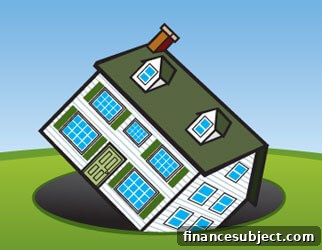
Home ownership is fundamentally different from renting. If you assume that a mortgage payment that looks similar to your current rent means the total cost of owning is equal to renting, you’re missing major expenses. Beyond mortgage principal and interest, homeowners face utility bills, property taxes, insurance premiums and ongoing maintenance. When a roof springs a leak, the furnace fails or a window cracks, the expense comes out of your savings — unless you’ve already planned for it.
Know the True Monthly Cost
Start by estimating every regular outflow related to your future home. Ask people who live in the same neighbourhood about their heating, electricity and water bills. If your home uses oil, propane or has higher electrical loads, get specific answers that reflect that usage. Energy costs vary by region, home age and insulation, so local, real examples are far more reliable than rough guesses.
Property taxes can add a significant recurring cost. Look up recent real estate listings for houses like the one you are considering and note the annual taxes. Tax rates differ from one municipality to another and sometimes change year to year, so use the most recent information available.
Insurance is another essential variable. Don’t guess what homeowners insurance will cost — call a broker or insurer and get a quote for the home you plan to buy or for a similar property. Insurance premiums depend on location, replacement value, coverage limits and extras such as sewer backup or liability protection.
Budget for Maintenance and Repairs
Maintenance is the expense many people forget until it’s urgent. A practical rule of thumb is to set aside 3% to 5% of the home’s value each year for maintenance and repairs: closer to 3% for a newer home with modern systems, and toward 5% for an older property requiring more upkeep. If local land values make the purchase price unusually high compared with replacement cost, base the calculation on the home’s replacement value rather than its market price.
Maintenance includes routine items (seasonal HVAC servicing, gutter cleaning, minor carpentry) plus larger, less frequent costs (roof replacement, water heater or furnace replacement, major plumbing or electrical work). Having a maintenance fund prevents you from relying on high-interest credit to cover unexpected repairs.
Plan Your Cash Flow and Savings
If you are not prepared for the full cost of ownership, you’ll likely tap credit cards or loans to fill gaps, which can quickly erode savings and increase monthly expenses. To avoid becoming “house poor” — owning a home but lacking financial flexibility — create a realistic budget that includes mortgage, taxes, insurance, utilities and a dedicated maintenance reserve.
Set up an emergency fund that covers several months of living expenses and a separate home-repair reserve. Regularly contribute to both accounts so that predictable and unexpected costs are covered without derailing your longer-term financial goals.
Make Thoughtful Decisions, Not Hasty Ones
Buying a house should be a deliberate process based on accurate numbers, not optimistic guessing. Do the homework: gather local utility estimates, review comparable property tax amounts, obtain insurance quotes and calculate an annual maintenance allowance. With those figures in hand, you’ll know whether a particular property fits your budget or whether you need to adjust expectations.
Owning a home can deliver stability, pride and long-term value, but only when you understand and plan for the total cost. Keep your projections conservative, build reserves, and treat maintenance as a real line item in your budget. That way you can enjoy home ownership without unexpected financial stress.