
What caught my eye this week.
You can make a strong case that pursuing financial independence is sensible while chasing early retirement can feel like a wild goose chase — I’ve written about that before. But ask anyone who’s been sent to rummage through dusty filing cabinets in a locked office basement, hunting for 1970s invoices from O’Brien and Sons, and you’ll understand why few people would vote that task as their dream assignment.
Of course many jobs are unpleasant. From the earliest days of this blog I’ve argued that work used to be worse: repetitive paperwork, endless cold calls, and being berated by bosses for small dress-code infractions. There’s also the romanticisation of back-breaking factory work by commentators who would not last a week in those conditions.
Somebody’s got to do it
There’s a clear distinction between a job being unrewarding and the work itself being truly pointless.
A notable faction of the FIRE (Financial Independence, Retire Early) community believes many modern roles are literally pointless, even to the organisations that employ them. They point to arcane rituals and busywork — preparing slides unlikely to ever be read, or attending meetings that seem to achieve nothing. Those frustrations are real: most people can relate to time-wasting meetings and bureaucratic hoops.
Still, in my view the majority of roles serve a purpose, especially in the private sector. Yes, companies sometimes carry a little excess headcount or duplicate processes that haven’t yet been streamlined. But firms that consistently carry pure deadweight rarely survive for long. Market forces tend to weed out roles that add no value to operations.
Strike through
I saw this firsthand while running a small start-up. There was always more work than hands to do it, much of it tedious or seemingly trivial. Some hires weren’t great, I’ll admit — but often the problem wasn’t the job itself, it was the narrow perspective people held about its worth.
Many people measure their work’s value by how it affects humanity at large. If you’re not curing a disease or ending world hunger, it can feel meaningless. Yet most roles are components of a larger machine, and cogs that seem unimportant can be vital when systems fail.
That manual no one reads? It can be the difference between a minor hiccup and a full-blown outage when a gadget or system misbehaves. Operating instructions support sales and adoption even if users glance at them briefly. Similarly, small technical pieces like version control, installers, or deployment scripts rarely earn glory but are essential to keep complex systems running.
Recent incidents that disrupted IT systems around the globe often trace back to a tiny, mundane bug or an overlooked process, not a dramatic architectural idea. Those boring, unglamorous tasks keep the lights on.
It’s a wonderful life
For a thoughtful take on workplace complexity and the so-called “bullshit jobs” thesis, Byrne Hobart’s piece on the topic examines David Graeber’s arguments and their limits. Graeber estimated a large share of work might be pointless, implying the economy could produce far more with less labour. If that were true, we should see widespread, obvious opportunities for radical efficiency improvements — yet such massive, across-the-board gains rarely materialise in practice.
Hobart points out that if most jobs were truly fake, business owners and investors would have a strong incentive to eliminate them and keep the savings. The fact that many companies run leaner only after targeted changes suggests the picture is more complicated.
Hobart concedes that many jobs are unpleasant and many people are in the wrong roles for their skills or temperament. But he also emphasises the economy’s mysteries: if productivity were so obviously improvable across the board, the aggregate wealth trends we observe would look very different.
He concludes that a world where every career can be instantly made twice as efficient is stranger than one where complex systems and distributed knowledge conceal sources of value. If we seemed to be wasting ever more time, we’d expect declining wealth — yet the opposite has happened for much of the modern era.
It’s worth reading his piece and forming your own view.
With all the talk about AI replacing typical roles, it would be nice to believe that many jobs exist only because of habit, ego, or inefficiency. In a world dominated by capable automation, we might imagine people continuing to perform trivial tasks for the sake of routine. But real-world capitalism tends to be unforgiving: when a role can be automated or eliminated without harming the bottom line, pressures to change quickly mount.
Have a great weekend.
From Monevator
The All-Weather portfolio – Monevator
How people invest their pensions and other assets – Monevator
From the archive: Nine underrated tools to help you achieve financial independence – Monevator
News
Note: Some links point to third-party articles — try privacy/incognito mode to avoid cookies. Consider subscribing to sites you visit often.
UK inflation holds steady at 2%, slightly above expectations – CNBC
Nearly 1.1m people immigrated to England and Wales in the year to mid-2023 – ONS
London leads a surprise rebound in house prices – This Is Money
New law aims to prevent a repeat of the Truss mini-budget fallout – BBC
Nationwide’s £2.9bn takeover of Virgin Money cleared by regulators – This Is Money
More than half-a-million people now caught in a 60% tax ‘trap’ – The Accountant
King’s Speech summary: Labour’s key agenda points – BBC
Claim that pension reform could add around £11,000 to average pots – Guardian
Study suggests money can increase happiness in some contexts – Guardian
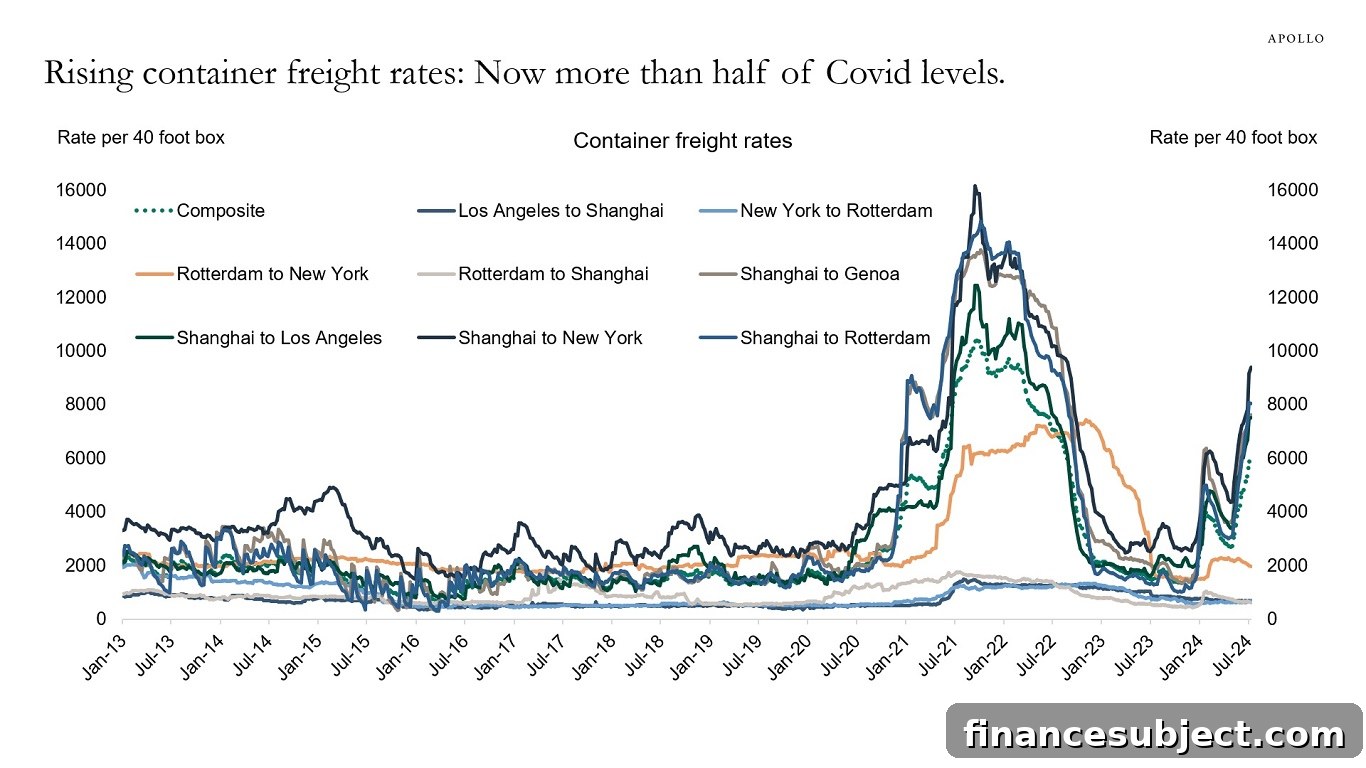
Supply chain stresses are resurfacing – Axios
Products and services
Monzo launches a free card for under-16s – Monzo
First-time buyers offered a 95% mortgage boost – Which
Should buy-to-let landlords fix rates now or risk a tracker? – This Is Money
Open an account with low-cost platform InvestEngine and receive a sign-up bonus when you invest (terms apply) – InvestEngine
Keyless entry tech linked to a rise in car thefts – Which
What else is driving the car insurance crisis? – FT
Pret to end its ‘free’ coffee subscription – Be Clever With Your Cash
Eco homes near the sea for sale, in pictures – Guardian
Comment and opinion
A balanced portfolio inevitably comes with regrets – A Wealth of Common Sense
When does it make sense to own a non-standard investment? – Humble Dollar
Is a ‘total bond’ fund still a good choice? (US context, but relevant) – Oblivious Investor
When rebalancing produces higher returns — and when it doesn’t – Morningstar
Don’t take the last dollar – Of Dollars and Data
Wage dysmorphia and perceptions of money – Guardian
When the game changes, invent a whole new one – Abnormal Returns
The cost of war – Klement on Investing
Three bad economic narratives that linger despite being wrong – Cullen Roche
Commodities for the long run (technical) – CFA Institute
The UBS Global Wealth Report (PDF) – UBS
Risk and luck mini-special
The risks we overlook – Humble Dollar
All the unseen luck that shaped outcomes – The Uncertainty of It All
Is risk always bad news? – Simple Living in Somerset
Naughty corner: Active antics
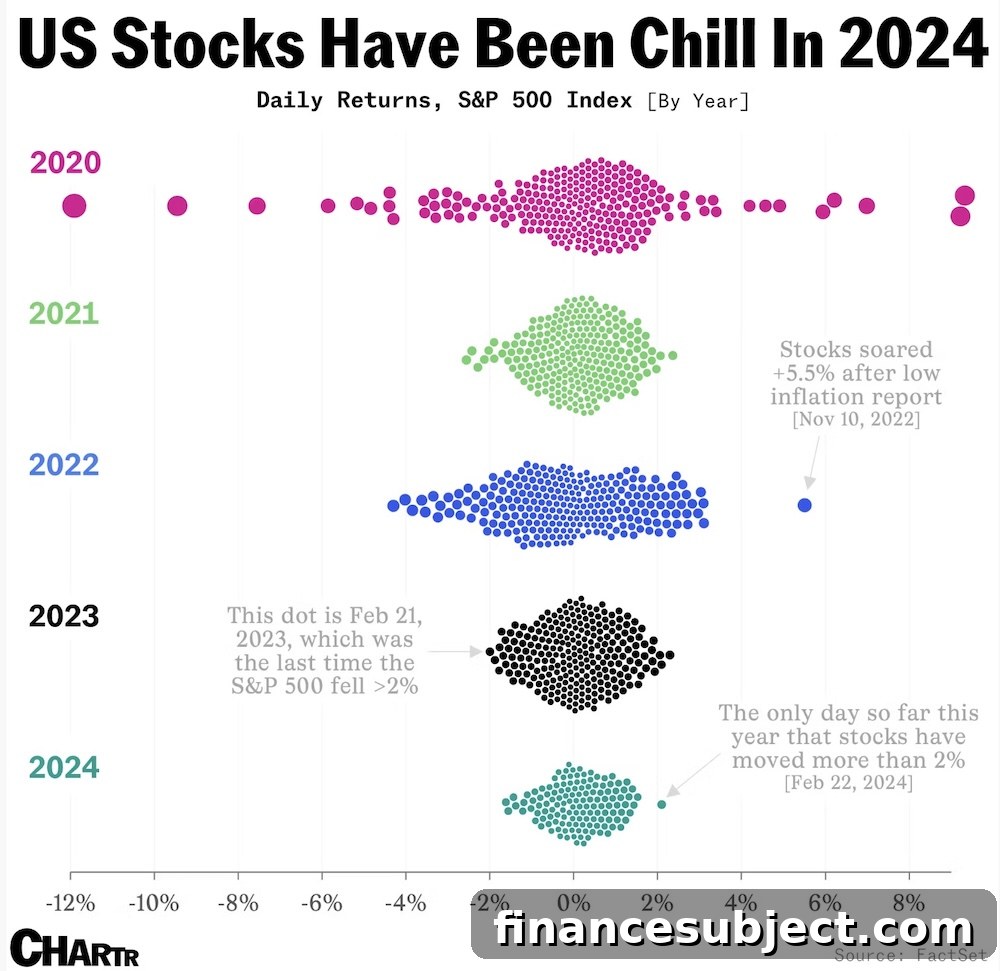
The S&P 500 has gone an unusually long stretch without a drop larger than 2% – Sherwood
Most investors remain sceptical of strictly efficient market assumptions – Verdad
The ETF universe grows increasingly complex – FT
A fast run into small caps leaves the US market searching for catalysts – Sherwood
Asset manager profit margins are tightening – Institutional Investor
Navigating gains and losses in the crypto economy without losing your mind – Sherwood
Private equity’s dry powder mountain reaches record levels – Institutional Investor
Kindle book bargains
The Hidden Half by Michael Blastland – £0.99 on Kindle
How to Own the World by Andrew Craig – £0.99 on Kindle
Never Split the Difference by Chris Voss – £0.99 on Kindle
Beijing Rules: China’s Quest for Global Influence by Bethany Allen – £0.99 on Kindle
Environmental factors
Modelling the economic consequences of climate change – Klement on Investing
A lost area of Welsh rainforest to be restored – Guardian
Cycling along Estonia’s wild coast and forests – Guardian
Robot overlord roundup
Goldman dampens some of the AI hype – Institutional Investor
Can AI make meetings more bearable? – BBC
Samsung’s new image-generating AI draws attention for its quality – The Verge
Assassination aftermath mini-special
The attempted assassination of a political figure shows America’s fractured media realities – Vox
This is the Great Ravine — a long-form perspective on national divisions – Epsilon Theory
Off our beat
Push the fence — an essay on testing limits – Raptitude
Was Gareth Southgate great, or just lucky? – FT
Where to build a brand-new town in Britain – UK Day One
Why skilled immigration is a national security priority for the US – Noahpinion
The curious decline of the necktie – The New Yorker
An underground lunar cave could be ideal for explorers — Guardian
It’s time to adapt to population slowdown rather than argue about it – Vox
Why is 80% of Mexico sparsely populated? – Uncharted Territories
And finally…
“Wealth is the absence of economic anxiety.”
– Scott Galloway, The Algebra of Wealth
Like these links? Subscribe to get them every Friday. Note this article includes affiliate references in its original form.
- Financial Independence, Retire Early.[↩]