
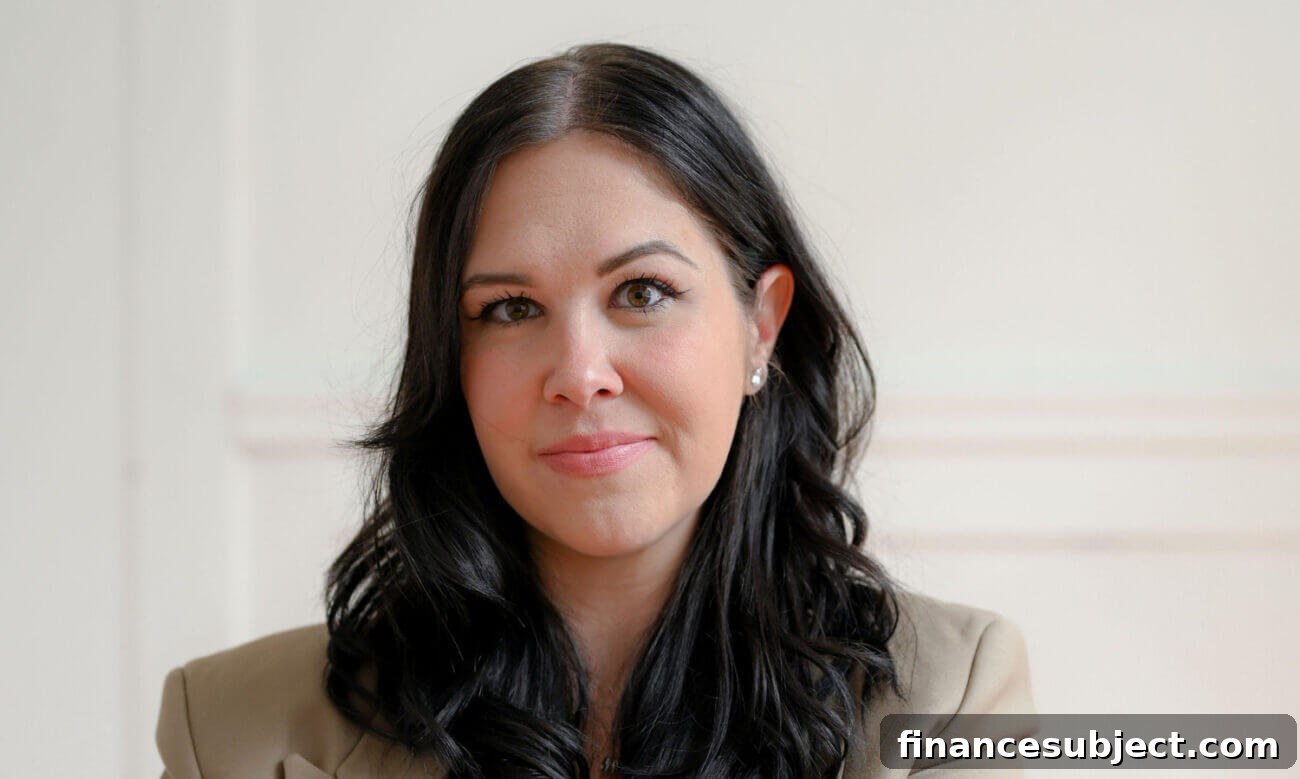
Alyssa Davies approaches money with empathy and practicality. Although she encourages people to track their spending, she believes financial success is driven more by emotions and habits than by complex math. On her award-winning blog, Mixed Up Money, she writes about shifting away from prescriptive advice that can create shame and guilt, and toward strategies that help people feel in control of their finances and their future.
Her work blends personal finance with self-care and healing. Based in Calgary, Davies is the author of Financial First Aid and co-hosts the podcast Money Feels with fellow financial communicator Bridget Casey. Having worked through her own money anxieties, she now pursues CoastFIRE—an approach within the Financial Independence, Retire Early (FIRE) movement that focuses on funding retirement early so you can “coast” later. Her target: reach CoastFIRE by 35. Below she shares her influences, habits, and practical financial tips for building wealth and security.
Who are your money heroes?
My biggest influences are people inside the personal finance community because we support and challenge each other. I admire Erica Alini, author of Money Like You Mean It, for her clear, actionable advice. I also respect Chelsea Fagan, founder of The Financial Diet, for her honesty on controversial money topics.
How do you like to spend your free time?
I prioritize hobbies that I can’t monetize because I need real downtime. I play soccer, read a lot, and spend quality time with family and friends. I also enjoy wandering stores and window shopping for home décor—simple things that help me recharge.
If money were no object, what would you be doing right now?
I’d devote more time to advocacy—working on affordable housing and wealth redistribution—because those causes matter to me. Failing that, I’d be living on a beach in Portugal with my husband and two kids, offline and enjoying a slower pace of life.
What’s your earliest memory about money?
One of my earliest memories is going to the bank with my mom to open my first account and get a debit card. I was fascinated by our little bank books and the way the ATM printed our transaction history.
What’s the first thing you remember buying with your own money?
An Aqua CD—the Europop group known for the viral hit “Barbie Girl.” A small, joyful purchase that felt like independence at the time.
What was your first job?
My first job was at Dairy Queen. I didn’t have a license, so my parents drove me—an early lesson in relying on others. I don’t recall exactly how I spent my first paycheck, but I’m sure a good portion went straight back into ice cream.
What was the biggest money lesson you learned as an adult?
Investing success usually comes from time in the market, not timing the market. Consistency matters: contribute regularly, start early, and follow a clear plan. Over years, compound interest and steady investing are what drive wealth accumulation.
What’s the best money advice you’ve ever received?
Build an emergency fund or a sinking fund. If nothing else makes you feel secure during a financial strain, having a buffer will. If you don’t have one yet, map out a bare-bones budget and plan how you’d respond if you lost income unexpectedly.
What’s the worst money advice you’ve ever received?
Being told to cut out everything that brings you joy during a financial squeeze. Instead, focus on fixed monthly expenses and permanent changes that move the needle—like negotiating rent, reducing subscriptions, or refinancing debt—rather than sacrificing small comforts that sustain your well-being.
Would you rather receive a large sum of money all at once or smaller payments for life?
Right now I’d prefer a lump sum. I’m working toward CoastFIRE by 35, and a one-time injection would allow me to invest more aggressively early, reach my goal sooner, and benefit from compounding returns.
What do you think is the most underrated financial strategy?
Negotiation. Many people underestimate how much you can improve your financial position by asking for better rates or terms—on loans, credit cards, phone plans, salaries, and even retail purchases. A successful negotiation can free up cash to pay down debt or boost savings.
What is the biggest misconception people have about growing money?
People often expect quick wins and get discouraged when progress is slow. Building wealth is usually a slow start that accelerates over time. Once you clear early hurdles, momentum and compounding make subsequent gains easier and more rewarding.
Can you share a money regret?
I regret not investing earlier while I was paying off debt. In my early 20s I focused solely on rapid debt repayment and missed some years of stock market growth. Hindsight aside, both approaches can work, but I’d now balance investing with debt repayment sooner.
What does the word “value” mean to you?
Value means anything that makes life easier or gives me back time. I prefer spending on convenience and experiences rather than accumulating more things.
What’s the first major purchase you made as an adult?
Buying my first home was the first purchase that truly made me nervous. It was a significant financial commitment and long-term responsibility, but I had researched and saved for years. Three years later, it remains my favorite buy—an emotional and financial anchor for our family.
What’s your take on debt?
I no longer think of debt strictly as “good” or “bad.” In context, debt can be a useful tool or leverage to achieve goals—especially when managed responsibly. Many milestones require borrowing, and wealthier people often use debt strategically rather than avoiding it entirely.
What was your most recent splurge?
We splurged on a family trip to Phoenix. It was our first trip since our eldest was six months old, and creating those travel memories felt worth the cost.
What is the last money-related book you read?
Scarcity: The New Science of Having Less and How It Defines Our Lives—a compelling exploration of how scarcity shapes decision-making and behavior. I recommend it to anyone interested in the psychology behind financial choices; it ties directly into the behavioral conversations on my podcast Money Feels.
What is something you always have in your wallet?
I keep a $50 gas gift card for emergencies. It’s a small, practical backup that can be a lifesaver if unexpected situations arise.
What is your favourite possession?
My iPad and Apple Pencil. I enjoy drawing illustrations for social media—it’s a relaxing creative outlet that complements my finance work.
A post shared by Alyssa | Financial Nerd ✨ (@mixedupmoney)
What’s your next money goal?
My immediate goals are to reach CoastFIRE and to grow my household income to more than $150,000 by age 35. Those targets will expand my options and provide greater financial freedom.
My MoneySense quick questions
Rent or own?
It depends on the math. Renting can be the better financial choice for many people, but owning my home was an emotional decision that provided security, permanence, and a place to root our family.
Buy or lease?
I lease my car, which some experts don’t recommend. For our family, leasing provides flexibility as our vehicle needs change and reduces worries about maintenance—so it works for us.
Save or invest?
Both. Maintain short-term savings for emergencies and sinking funds, while investing for long-term goals like retirement and wealth building.
Budget or not?
Everyone operates within a budget, even without a spreadsheet. The key is awareness: track income and expenses and do monthly check-ins so you can adapt when circumstances change.
Read more My MoneySense profiles:
- MYNC franchise founder on turning a passion project into her full-time job
- “Dragons’ Den” tech titan Michele Romanow on taking risks and betting on herself
- How dating expert Damona Hoffman handles her relationship with money
- Journalist Renée Sylvestre-Williams on the advice she wishes she’d had in her 20s