
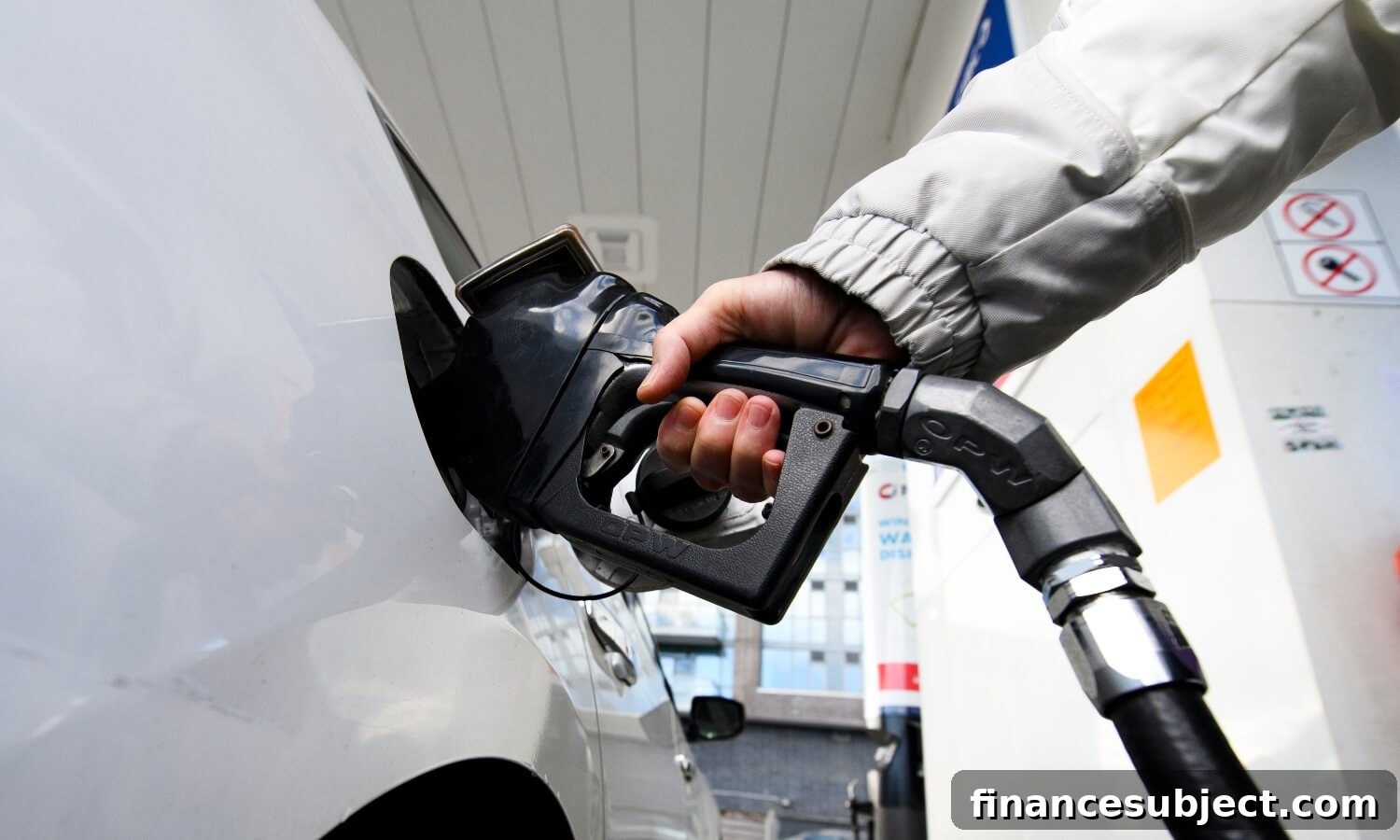
Work, shops and services may be nearby and public transit options plentiful—but do you still really need a car? Financial advisers increasingly say that for many people, the answer is no. After housing and food, transportation is the third-largest household expense for Canadians, according to Statistics Canada. A Ratehub analysis estimated that owning and operating a car can add up to more than $139,000 over nine years — a figure calculated before recent increases in fuel prices. Consider how else that money could be used.
Still, giving up a car is not free of trade-offs. Living without a vehicle introduces different costs and constraints that are important to weigh carefully.
Car-free living still comes at a cost
Mark Lotocky, owner and financial planner at The Dixon Davis Group, spent his late teens through his mid-30s living without a car in a transit- and bike-friendly city. “It is possible, and it is a great thing. I loved it,” he says. But he points out that costs accumulate whenever you leave the transit network: taxis, ride-hailing, car rentals, car-share programs and informal borrowing from friends or family.
Lotocky describes car ownership partly as an “experience” cost. A car makes it easy to take day trips, visit relatives outside the city, or run errands far from transit routes. Reproducing those experiences without owning a vehicle typically means paying per trip—in other words, occasional car-share fees or rentals rather than steady ownership costs. For him, a one-night trip an hour outside the city using a car-share might cost $85 to $90, an expense he found reasonable compared with owning a car full-time.
Negative equity can trap car owners
Janet Gray, an advice-only financial planner with Money Coaches Canada, begins her assessment by asking whether a car is fully paid off. If you still owe more on a vehicle than it’s worth, selling it can leave you with a remaining loan balance to cover—a significant deterrent to quitting car ownership. New cars depreciate quickly, and depending on your financing, it can take two to four years to reach positive equity.
Gray shared an example of a young client who could no longer afford monthly payments after 15 months of ownership. Because the car’s value had fallen faster than the loan balance had been paid down, selling would not have eliminated the debt. For people in that position, keeping the vehicle or finding alternative financing solutions may be the only realistic choice in the short term.
Another practical consideration is your commute. Living outside a city core can mean long, inconvenient transit trips, and caregivers or people whose jobs require travel may find a car indispensable. “You’ve seen parents that are struggling on transit with strollers and … that wouldn’t work for everyone,” Gray notes. In short, your household responsibilities and job requirements should guide the decision as much as pure cost calculations.
On the other hand, a paid-off car is not costless. Owners still face maintenance, repairs, insurance, parking and fuel, and these costs can jump unpredictably. “Have you ever fixed the brakes on your car? It’s easily $2,000,” Gray says. Older cars can mean fewer monthly outlays but increasingly expensive repairs.
Try going car-free before committing
Lotocky recommends a trial period to test whether you can practically live without a car. Park the vehicle for a season and use transit, cycling, walking and shared mobility for daily needs. Track the costs of those alternatives and compare them against all the expenses tied to car ownership—including payments, insurance, maintenance and parking.
Give yourself at least six months to gather clear data on how often you still need a vehicle, what those trips cost, and how life changes without immediate car access. Beyond dollars, consider the non-financial trade-offs: convenience, flexibility, time spent on transit and comfort on longer trips.
“What it really comes down to is the experience,” Lotocky says. “What are the experiences you get with the car, and what are the experiences you get without a car, and is that cost worth it to me?”
If you anticipate needing a car again in a few years—perhaps when starting a family—it can still make sense to sell now and repurchase later. Carrying costs like paid parking or long-term storage will drain savings, so selling an unused vehicle can be economical even if you plan to buy another down the road.
Avoid lifestyle creep after selling
Giving up a car typically frees up hundreds of dollars a month. Without a plan, those savings can quickly disappear into lifestyle upgrades—more dining out, more travel, subscriptions and discretionary spending. Gray advises younger people to direct those savings into an emergency fund and a tax-free savings account (TFSA) or similar short- to medium-term savings vehicle that keeps the money accessible and earmarked for a purpose.
“If people don’t have a car payment, it takes conscientiousness to set aside that cash because they’re just going to expand their lifestyle,” Gray warns. Decide in advance where the money will go—whether toward savings, debt repayment or a future vehicle fund—and stick to that plan to realize the financial benefits of going car-free.
In the end, the decision to keep or sell a car comes down to personal circumstances: your commute, caregiving responsibilities, where you live, how often you travel beyond the transit network, and how disciplined you are with redeploying the savings. For many urban residents with reliable transit and active transportation options, living without a car can save significant money. For others, the flexibility and capabilities of a vehicle remain worth the cost.
Read more about news:
- Drive gently and carry a loyalty card: ways to take the edge off high pump prices
- Jet fuel surge pushes airline fares higher
- Unexpected money? Here’s what Canada taxes—and what it doesn’t
- Credit card interest rates: How high is too high?