

Kyle Prevost, editor of Million Dollar Journey and founder of the Canadian Financial Summit, shares financial headlines and provides context for Canadian investors.
Hello again, MSOTM readers. I’m back from a short summer break and ready to refocus on where the markets might be headed. Many thanks to Dale Roberts for stepping in while I was away.
Canadian mortgage holders suffer another rate hike
The Bank of Canada announced a widely expected 0.25% increase in its policy interest rate on Wednesday. Rates are now at levels not seen since April 2001.
BoC Governor Tiff Macklem said monetary policy is working but that underlying inflationary pressures remain stubborn, and that the bank is attempting to balance the risks of under- and over-tightening policy. Most traders and analysts now expect another quarter-point rise in September, followed by a pause.
Equity markets reacted calmly; the S&P/TSX Composite Index rose by nearly 1% on the news. But the impact on borrowers is painful. The prime lending rate charged by many financial institutions is likely to rise toward 7.2%. Mortgage borrowers are paying significantly more in interest than a year ago. For example, for a typical new mortgage of roughly $676,000, a 0.25% increase in interest translates to about $100 more in interest each month. That means if rates rise again in September, holders of new variable-rate mortgages could face several thousand dollars more in annual interest compared with earlier this summer.
Other types of credit are feeling the squeeze as well. Car loan incentives such as 0% financing have largely disappeared. A seven-year auto loan of $40,000 at roughly 7.5% will generate several thousand dollars in interest over the term, making vehicle financing noticeably more expensive for consumers.
Markets celebrate lower U.S. inflation
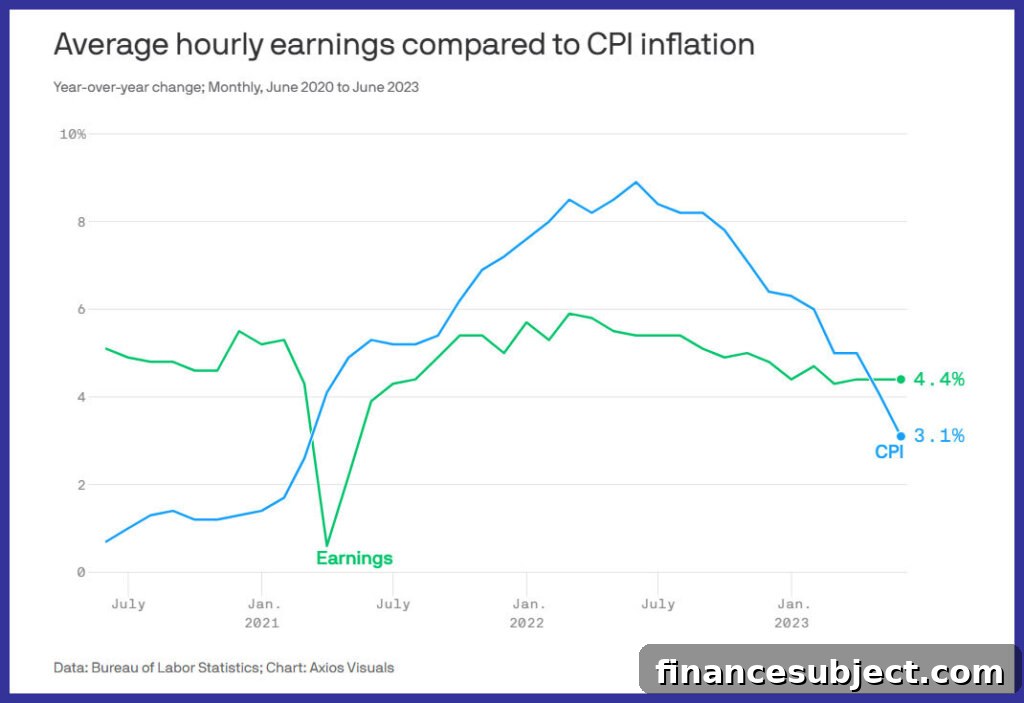
U.S. markets hit their highest levels in more than a year after the Department of Labor’s consumer price index (CPI) showed inflation continuing to fall. One year after U.S. inflation peaked at 9.1%, the year-over-year rate has moved back toward 3%.
Key takeaways from the June CPI report include lower gas prices compared with last year, persistent core inflation that remains elevated, continued increases in housing costs, and fluctuating food prices. Certain services—restaurants, child care and dental care among them—have seen quickly rising costs. Auto insurance costs are also notably higher than a year ago.
Wage growth is an important detail: for the first time since early 2021, real wage growth has outpaced CPI inflation in the latest readings, which supports consumer spending power and can influence central bank decisions.
Given this data, market pricing suggests a strong probability the U.S. Federal Reserve will raise rates further at its upcoming meeting, though the chance of multiple additional hikes beyond that appears limited. Investors are optimistic that inflation has turned a corner and are beginning to look for a period when rates can ease rather than keep rising.
That said, some of this optimism may already be reflected in current valuations. If the market has already priced in the shift to sub-3% inflation, future data that confirms the trend may have less of an upside effect on asset prices than previously thought.
Passive investing is here to stay
Recent research into the world’s largest mutual fund and ETF providers shows the steady growth of passive investing. The shift is clear: while actively managed mutual funds experienced large net outflows, ETFs and passive funds enjoyed substantial net inflows.
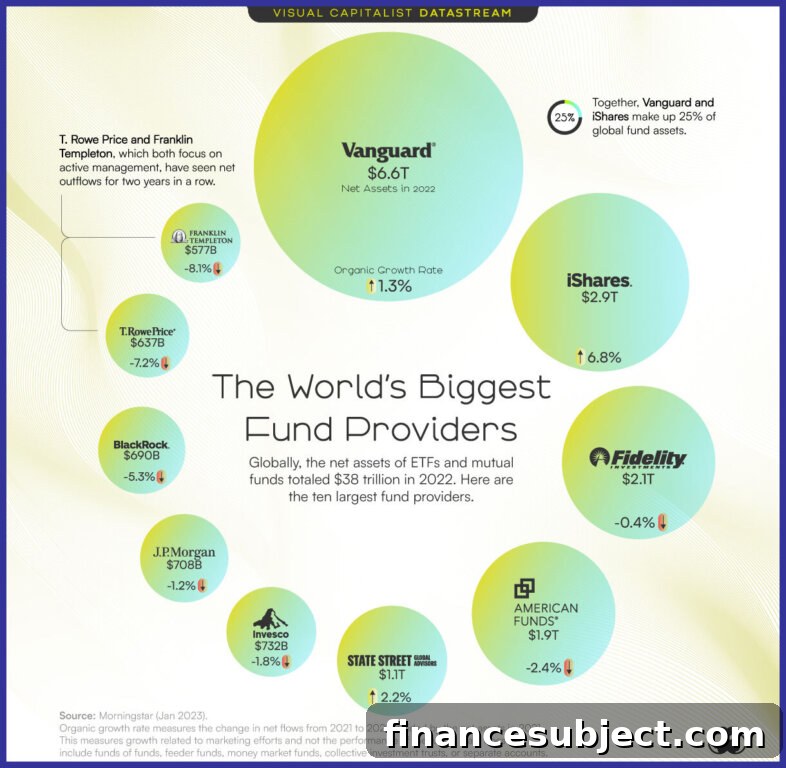
Some notable patterns from the data: mutual funds overall had significant net outflows, ETFs attracted large inflows, actively managed funds lost assets, while passively managed funds gained. Passive strategies now represent a much larger share of global assets than a decade ago.
For Canadian investors, these trends are especially relevant. Management expense ratios (MERs) for active funds in Canada are often higher than in other markets, giving further incentive to consider lower-cost passive options when building a diversified portfolio.
Pepsi earnings give shareholders a sugar rush
PepsiCo beat earnings and revenue expectations for the quarter. Higher prices and resilient volume supported results, and management raised full-year guidance as a result. Beverage volumes were offset by price increases, and snack brands performed well—new product flavors contributed to strong growth in certain categories.
The company’s ability to pass through price increases while keeping volumes relatively stable reflects the current economic backdrop, where demand remains solid in many consumer categories despite inflationary pressures.
Delta earnings are cleared for liftoff
Delta Air Lines reported its strongest revenue and earnings figures to date for the quarter, driven by robust international travel demand and higher yields from premium seats. Lower fuel costs also supported profitability. Management expressed confidence that current trends in travel demand will persist.
These results stand in contrast to recession predictions voiced earlier in the year. Strong consumer demand for travel, especially in premium cabins, has helped airlines exceed many cautious forecasts.
With earnings season underway, investors can expect a steady flow of corporate results and commentary to influence market direction in the weeks ahead.