
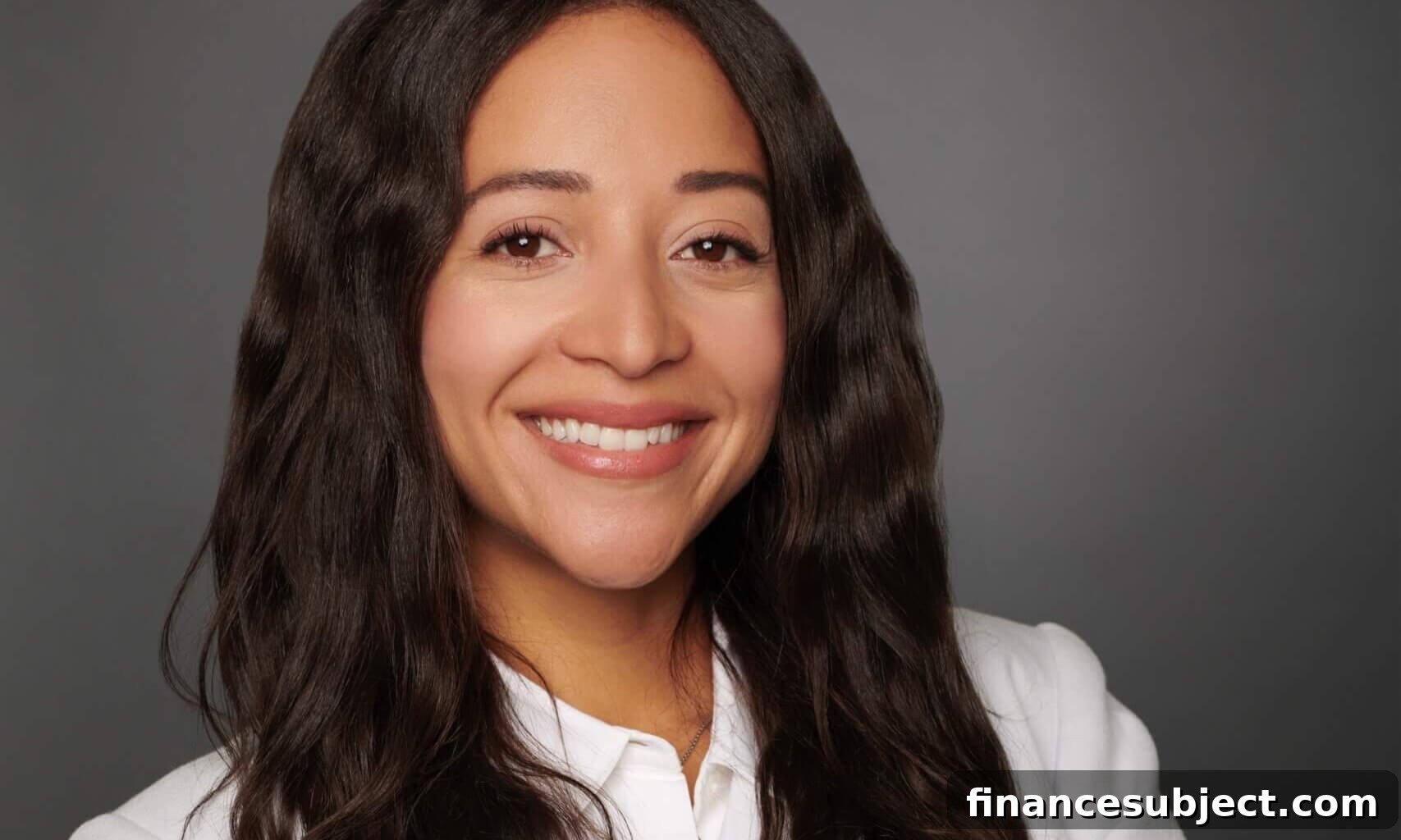
Sara Loriot is an institutional portfolio manager at CI Global Asset Management, the host of a video podcast and a dedicated volunteer with CFA Society Toronto. In 2024 she received the Emerging CFA Society Leader Award from the CFA Institute in recognition of her leadership on the Annual Women in Finance conference and her contributions to the Industry Relations & Corporate Governance Committee. Her podcast series, Diverse Dividends, launched in January and features candid, in-depth conversations with senior leaders across the investment industry. In the interview below, Loriot reflects on her earliest money memories, the influences that shaped her financial outlook, how she got started in finance and her plans for future property purchases.
Who are your money heroes?
Although I work in finance, I don’t idolize a single money hero. Instead, a few people have shaped my perspective. My sister saw early potential in me and encouraged me toward finance; when we were kids we even talked about starting a business together and she imagined I’d run the finances. Her belief in me steered my career choices. Around age 12 or 13, a friend’s father gave me The Wealthy Barber by David Chilton, which opened my eyes to the power of compounding and felt like a revelation at the time.
Newsletter
Get free MoneySense financial tips, news & advice in your inbox.
How do you like to spend your free time?
My free time is focused on family—making memories and enjoying every stage of my one-year-old daughter’s growth. Before becoming parents my husband and I never realized how much time would be consumed by parenthood; now the simplest moments, like dancing around the living room, mean the most. We also love our cottage, time outdoors and experimenting with new recipes and wines (never with our daughter, of course).
Beyond family life, I invest time in activities that make a difference. I’m proud to volunteer with CFA Society Toronto, where I’ve helped organize events that matter to me, including conferences on women in finance. I also host the Diverse Dividends series, which lets me interview influential leaders in the industry. Volunteering has been invaluable to my career and I often wish I had joined the society earlier, even before earning my CFA designation.
If money were no object, what would you be doing right now?
If money were no object, I’d be living the life my husband and I imagine: spending unhurried time with our family and owning properties around the world. Dreaming big helps define priorities, and my vision includes a Spanish villa by the water where we could live seasonally and savor time together without limits. Money, in my view, is the tool that helps make those experiences possible.
What was your earliest memory about money?
I grew up very debt-averse and careful about spending. My parents struggled with money, which left an impression, though I always had what I needed. Early on I promised myself that I would be financially comfortable as an adult and that commitment shaped many of my choices.
What’s the first thing you remember buying with your own money?
At five years old I received $20 for my birthday and bought a pair of shoes. The inclination to spend carefully has followed me into adulthood.
What was your first job?
My first job came at age 15, working in the kitchen at St-Hubert in Québec.
What did you do with your first paycheque?
I used that first paycheck to save for a school trip to Europe. I had hoped to work front of house as a hostess, but my role remained in the kitchen and the job was short-lived. The trip, however, was worth it and remains a fond memory.
What was the biggest money lesson you learned as an adult?
The importance of having goals—short, medium and long term—and understanding there are no inherent limits to what you can pursue. Learning about compounding in my teens was pivotal. When I was 21 and fully responsible for myself, I began setting clear financial goals, saving diligently and investing whenever I could. Those steps let me benefit from compounding over time. Setting goals clarifies direction: opportunities either present themselves and you take them, or you create them through deliberate action.
We discuss goal-setting in the first episode of Diverse Dividends, where I speak with Heather Cooke, CIO of The Audra Group, who stresses how essential tangible goals are for both career and life planning.
What’s the best money advice you’ve ever received?
Invest a small percentage of every paycheque and automate it. Consistent contributions remove emotion from the process and build wealth over time.
What’s the worst money advice you’ve ever received?
Advice that pushes everyone to invest exclusively in a single passive ETF, like one tracking the S&P 500, without considering diversification or individual circumstances. Passive funds can be excellent, and I own them, but diversification remains the most reliable “free lunch.” There are market environments where active management can add value, so a balanced perspective is important.
Would you rather receive a large sum of money all at once or a smaller regular payment for life?
I’d take a large lump sum now. The present value of money means a dollar today can be invested to generate returns that often exceed a smaller future income stream. With thoughtful planning you can invest a lump sum, structure withdrawals and potentially achieve greater tax efficiency than receiving a steady small payment for life.
What do you think is the most underrated financial advice, tip or strategy?
Automating a small portion of each paycheck into investments. Over time you learn to live without that contribution and your savings grow. We do this for our daughter’s RESP and I’m excited to see how it compounds by the time she’s 18.
What is the biggest misconception people have about growing money?
That growing money is synonymous with gambling or that high risk always means high reward. Financial literacy helps reframe risk: investing involves risk, yes, but risk exists on a spectrum and different instruments carry different profiles. Education about diversification, time horizon and personal risk tolerance is critical. For those unsure where to start, working with a qualified financial advisor can help build a plan suited to individual goals.
Can you share a money regret?
Rather than a regret, I’d call it a trade-off. My husband and I recently bought a cottage when we weren’t as financially ready as we’d ideally be. It was an opportunity we valued, and with careful planning and number-crunching we made it work. The purchase means we may not reach some financial milestones as quickly, but the experiential returns—family time, memories and happiness—felt worth the compromise. With the right plan, our financial position will improve over time.
What does the word “value” mean to you?
Value is the worth you assign to something, and it’s inherently personal. I may value a stock at one price while the market values it differently. Some things are invaluable to me—no amount of money would make me trade them away.
What’s the first major purchase you made as an adult?
My first significant purchase was a luxury handbag. I justified it by using capital gains from my early investments.
What’s your take on debt?
Generally I’m cautious about debt because of my upbringing, but debt can be a useful tool when used wisely—for example, to buy or renovate a home. Financial literacy is key to understanding when borrowing accelerates progress toward goals and when it becomes a burden.
What was your most recent splurge?
Our cottage.
What is the last money-related book you read?
I recently read Ray Dalio’s Principles for Dealing with the Changing World Order. Dalio is opinionated and unafraid to present bold views; some ideas are controversial, others illuminating.
What is something you always have in your wallet?
Identification. I mostly use my phone to make payments.
What is your favourite possession?
My engagement ring.
What’s your next money goal?
Buy our next property—Montreal is next on the list, and it’s where I’m from.
Quick questions
Rent or own?
Own.
Buy or lease?
Buy. Even when financing with a line of credit, ownership lets you repay at your own pace and build equity rather than paying someone else’s rent.
Save or invest?
It depends on your objective and time horizon. Save for short-term goals; invest for medium- and long-term objectives.
Budget or not?
100% budget.
More from My MoneySense:
- Justin Dallaire on making the right money decisions for you (not your bank)
- Lisa Hannam on measuring time and money, and more
- Michael McCullough on understanding and minimizing investing fees
- Brian Scudamore on finding meaning through your work and finances
Also read
Invest your money or pay off debt?
A comprehensive guide for Canadians