

If you want to reach your financial goals, you need to live within your means. That means consistently spending less than you earn and investing or saving the difference. Unless you expect to inherit a large sum or win the lottery, the practical path to financial security starts with a clear view of your spending habits and a plan to change them.
Many people earn just enough to cover expenses, and some routinely spend more than they make. That pattern quickly leads to debt, which erodes future options and slows progress toward personal goals. Understanding the social and financial pressures that encourage overspending helps you resist them and regain control of your money.
Having access to credit
Access to credit makes spending extremely convenient. ATMs, credit and debit cards, mobile payment apps and digital wallets enable instant purchases around the clock. While lenders often market credit as easy and accessible, that convenience can be a trap when it encourages purchases you can’t truly afford.
Consumer credit—credit cards, auto loans and similar products—can quickly lead to high interest charges and unaffordable balances. Using credit to postpone tough choices about spending only delays the consequences and often magnifies them. If you rely on borrowed money for everyday purchases, your debt can grow faster than your ability to pay it down.
Misusing credit cards
Credit cards can be a useful tool if you pay off the balance in full each month, effectively giving you an interest‑free short-term loan and added convenience. However, carrying balances from month to month at high interest rates encourages living beyond your means.
Making only the minimum payment on a credit card balance allows interest to compound and can keep you in debt for years or even decades. Some cards also offer optional protections that resemble insurance but add substantial annual costs; the combined rate of interest plus insurance on a balance can reach very high levels, making it far more expensive to borrow.
If you find yourself habitually overspending with credit cards, the most effective remedy may be to stop using them. Closing accounts or physically cutting cards can remove the temptation and force you to live on actual cash flow.
Taking out car loans
Buying a vehicle with financing is often framed around manageable monthly payments, which can make an otherwise unaffordable purchase feel reasonable. Salespeople and advertising emphasize weekly or biweekly payments to make the numbers appear smaller, but monthly installments add up over time.
It’s common to trade in an older car for a shiny new model packed with features. During the excitement of a test drive and a friendly sales pitch, it’s easy to focus on the apparent monthly cost rather than the total price. What may seem like a modest payment can represent many years of income once interest, taxes, insurance and maintenance are included.
When evaluating a vehicle purchase, look beyond the monthly payment and consider the total cost of ownership: the purchase price plus interest, insurance, registration, fuel and maintenance over the expected ownership period. Even with a low interest rate, the long-term burden of a large auto loan can put serious strain on your budget.
Bending to outside influences and agendas
Social pressure and cultural messaging continually nudge people to consume. Friends may suggest expensive nights out, or peer groups may prize the latest gadgets, designer clothing and sold‑out concerts. It’s rare to hear someone justify skipping a purchase to save for retirement or a house; short‑term desires often win out over long‑term priorities.
Your spending choices should reflect your own goals, not the expectations of others. If you haven’t defined what you’re saving for, it’s easy to drift into habits that undermine your future. Setting clear priorities—whether saving for a down payment, building an emergency fund or paying off debt—gives you a framework to decline costly social pressure without guilt.
Spending to feel good
Shopping to soothe stress or to reward yourself after a bad day is common. While occasional treats are fine, repeated emotional spending can deplete savings and produce regret once the bills arrive. If shopping is your primary strategy for feeling better, consider alternative ways to relieve stress that don’t carry financial consequences.
Assessing your spending
Tracking your spending is a foundational habit of sound personal finance. Most people benefit from monitoring where their money goes so they can identify leaks and reallocate funds toward savings and debt reduction. The only people who might reasonably skip this step are those who are already satisfied with their saving rate and confident they are on track to meet their goals.
Begin by collecting your financial statements—bank accounts, credit cards and receipts—and categorize expenses. Identify regular fixed costs, essential variable expenses, and discretionary spending. This detective work helps you reconstruct where money went and exposes opportunities to cut back.
Tracking spending the “low-tech” way
You don’t need fancy software to understand your spending. A simple notebook, spreadsheet, or a drawer full of receipts can be enough if you commit to reviewing them. Recreate your recent spending by grouping transactions into key categories: housing, transportation, food, insurance, entertainment, and savings. Once you see the patterns, you can set realistic targets and track progress.
Small changes compound over time. Reducing nonessential purchases, paying off high‑interest debt, and automating savings are practical steps that improve resilience and free up money for long‑term goals. Consistency matters more than perfection.
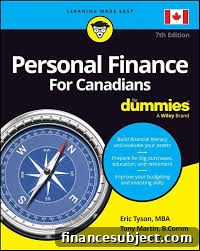
Excerpted with permission from the publisher, Wiley, from Personal Finance For Canadians For Dummies, 7th Edition by Eric Tyson, Tony Martin, and Michael McCullough. Copyright © 2024 by Eric Tyson & Tony Martin. All rights reserved. This book is available where books and eBooks are sold.
Michael McCullough is a contributing editor with a focus on personal finance and investing.
Further reading about borrowing money
- How to buy a car and get the best loan rate
- Personal loan versus line of credit: which is right for you?
- Understanding mortgage rates and how to find the best one
- Considerations before borrowing from a home equity line of credit (HELOC)