
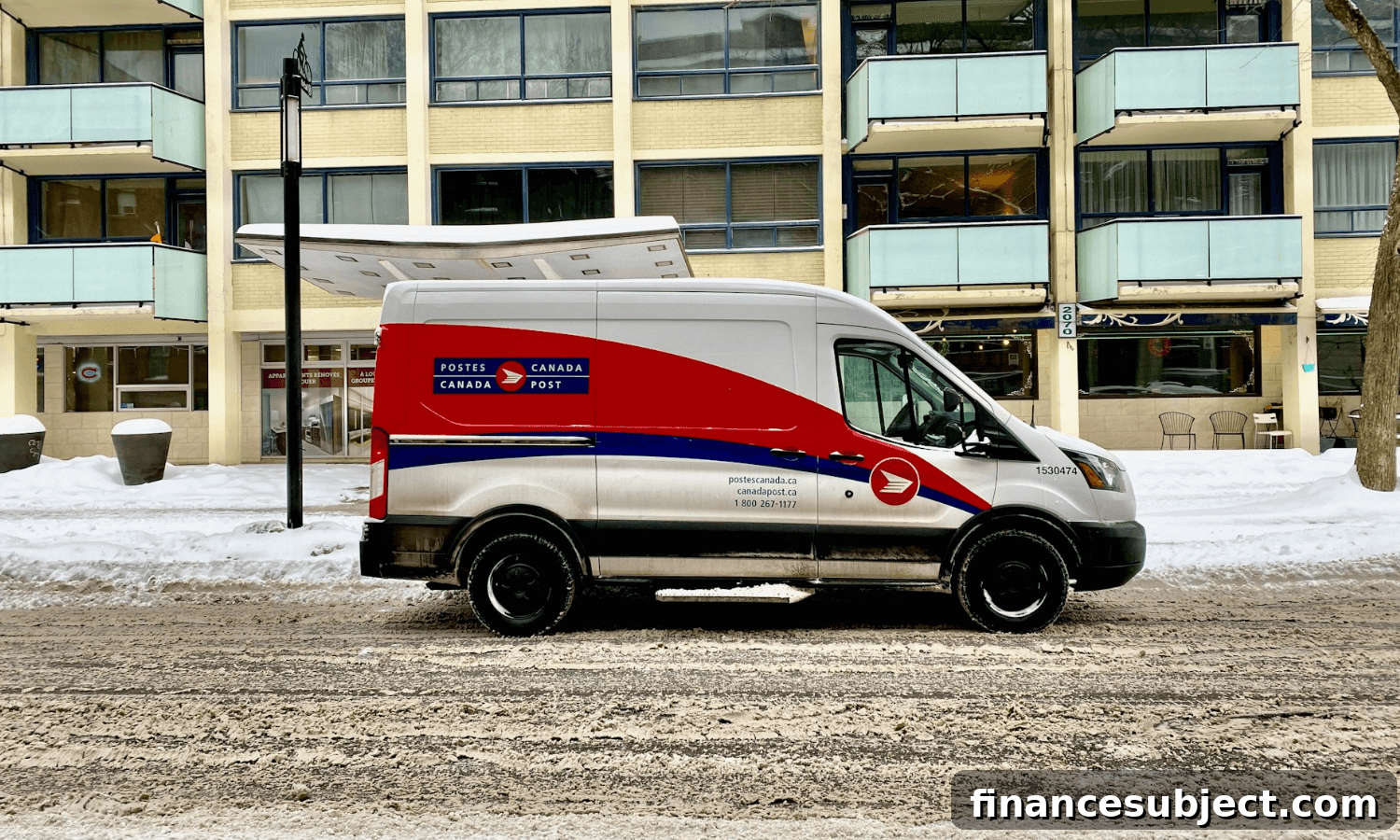
The striking members of the Canadian Union of Postal Workers (CUPW) will return to work on Tuesday, Dec. 17, after the Canada Industrial Relations Board ruled that talks had reached an impasse. The nationwide Canada Post strike began on Nov. 15, disrupting mail and parcel delivery across the country during the busy holiday season.
Canada Post strike update
Mail operations are set to resume on Tuesday as Canada Post employees return to their jobs under a board order. The federal government had sought tribunal intervention, and Labour Minister Steven MacKinnon directed the industrial board to declare an impasse if a negotiated settlement could not be reached before the end of the year.
Following hearings held over the weekend, the board declared an impasse. Union members have been ordered to return to work under their existing collective agreements, which have been extended through May to allow bargaining to continue without further interruption.
As part of the interim measures, Canada Post and the union agreed to implement a 5% wage increase, retroactive to the day after the previous agreements expired. The arrangement is intended to reduce immediate economic pressure while negotiations resume.
Business groups and many customers had urged the government to act as companies and individuals sought alternative delivery options during the holiday shopping period.
CPP, OAS cheques to be delivered December 18 and 19
Since the strike began, Canada Post stopped routine processing and delivery of mail and parcels, creating interruptions for citizens and businesses. One important exception was continued delivery of certain federal and provincial social benefit cheques: Canada Post and the union agreed that volunteers would ensure these payments reached recipients.
Canada Post officials indicated that participating federal programs include the Canada Child Benefit (CCB), Old Age Security (OAS), the Canada Pension Plan (CPP), and Veterans Affairs Canada (VAC). Several provincial benefit cheques—for example from Alberta, Saskatchewan, Ontario and Nova Scotia—were also prioritized. These socio-economic payments were scheduled for delivery on December 18 and 19, though some agencies have noted slight timing changes for specific programs.
You may have noticed some post offices and retail outlets operating during the strike. Those locations are often staffed by employees who are not CUPW members; they either belong to other unions or work for franchise operators, and in many cases they are not accepting regular mail or parcel drop-offs beyond select services such as returns.
Service Canada issued CPP and OAS cheques early
To reduce the risk of missed payments, Service Canada began issuing pension cheques earlier than usual in November. The federal government continues to recommend that benefit recipients sign up for direct deposit through a My Service Canada Account, which allows benefits to be deposited directly into a bank account and provides online access to services related to social insurance numbers, pensions, and other federal programs.
For Canadians who owe taxes or must make CRA installments, the government advises using electronic payment methods—online banking or CRA online services—to avoid interest and penalties that can result from delayed mail delivery.
Rankings
The best online banks and credit unions in Canada
Which government cheques are not being delivered during the strike?
Despite arrangements for key social payments, many other government-issued items were not being delivered during the labour disruption. These included passports, driver’s licences, health cards, and certain federal and provincial tax refunds and rebate cheques. Employment Insurance (EI) payments were being delivered only in cases deemed to be of “dire need,” according to Employment and Social Development Canada.
Recipients should check with their provincial or territorial government for the status of other benefits and services. For example, in Ontario, certain social assistance payments such as Ontario Works and the Ontario Disability Support Program (ODSP) were not being mailed; those program recipients were encouraged to arrange direct deposit through their local social assistance office to avoid interruptions.
Service offices in some provinces also paused issuing documents such as birth, death and marriage certificates, parking permits, cancer screening letters, or pharmacy reimbursement cheques. Applicants to programs like the Ontario Seniors Dental Care Program may experience processing delays until normal mail services resume.
Canadians can avoid benefit delays with direct deposit
Service Canada reports that the vast majority of benefit recipients are already enrolled in direct deposit—high registration rates for CPP, OAS, EI and student financial aid significantly reduce the risk of missed payments during postal disruptions. Signing up for direct deposit is the fastest, most reliable way to ensure benefits arrive on time.
What about letters to Santa?
Many families wonder whether children’s letters to Santa will still be answered. For more than four decades Canada Post volunteers have handled and replied to those letters, sometimes up to 1.5 million annually. This year, the usual submission deadline was removed from public notices; Canada Post has said letters will be delivered to Santa once normal operations resume.
In the meantime, some communities and volunteers have stepped in to collect and reply to children’s notes. There were also reports of postal workers accepting letters at some picket lines as an act of goodwill. When sending a letter, remember to include the traditional Santa postal code: H0H 0H0.
Newsletter
Get free MoneySense financial tips, news & advice in your inbox.
Read more about benefits:
- OAS payment dates and other details about Old Age Security
- CPP payment dates and information about the Canada Pension Plan
- CCB payment dates and guidance on the Canada Child Benefit