
The federal government’s recently announced package — which pauses federal sales tax on a wide range of goods and issues rebate cheques to millions of Canadians this spring — could help improve growth prospects for 2025, economists say. The initiative, estimated to cost about $6.3 billion, is large enough to influence consumer behaviour and short-term economic readings, though it may also exert some upward pressure on inflation, Bank of Montreal chief economist Doug Porter said in an interview Thursday.
Porter emphasized how substantial the package is, noting that while the high-profile GST holiday draws attention, the direct payments will likely have the larger economic effect. “It’s important to point out just how meaty this is. It’s quite a substantial move and it’s important to note that the much bigger impact here will not be on the high-profile GST holiday. It’s much more on the (rebate cheques),” he said.
Newsletter
Get free MoneySense financial tips, news & advice in your inbox.
Ontario rebates + GST holiday: tax savings or inflation booster?
Combined with provincial rebates promised in Ontario, the federal measures are expected to meaningfully lift household incomes and consumer spending at the outset of the new year. Economists caution, however, that these supports arrive at a moment when inflation has been easing and policy makers are increasingly focused on stimulating growth rather than slowing prices.
“This is now actually working in the same direction as the Bank of Canada has started to shift to,” Porter said, adding that he still expects the central bank to proceed with interest rate cuts, though the bank may adopt a more cautious pace. The Bank of Canada lowered its policy rate by 50 basis points to 3.75% in October, a larger move than usual as inflation has stabilized. The new fiscal measures increase the likelihood that the Bank will follow with a 25-basis-point cut at its next announcement in December, economists said.
Royce Mendes, managing director and head of macro strategy at Desjardins, noted that while sales tax exemptions will mechanically reduce measured inflation over the holiday period, the central bank will be more interested in the measures’ effects on growth and on underlying price pressures. Mendes expects a 25-basis-point cut in December and anticipates quarter-point reductions to continue through 2025 as the Bank carefully executes its easing cycle. “The announcement should all but close the door to a 50-basis-point cut next month,” he added.
Who gets the Working Canadians Rebate?
Under the plan, Canadians who worked in 2023 and earned up to $150,000 will receive a $250 cheque in the spring. About 18.7 million people are expected to be recipients of this Working Canadians Rebate, providing a direct boost to household cash flow for many families.
Rankings
Canada’s best credit cards for groceries
What items will be GST exempt?
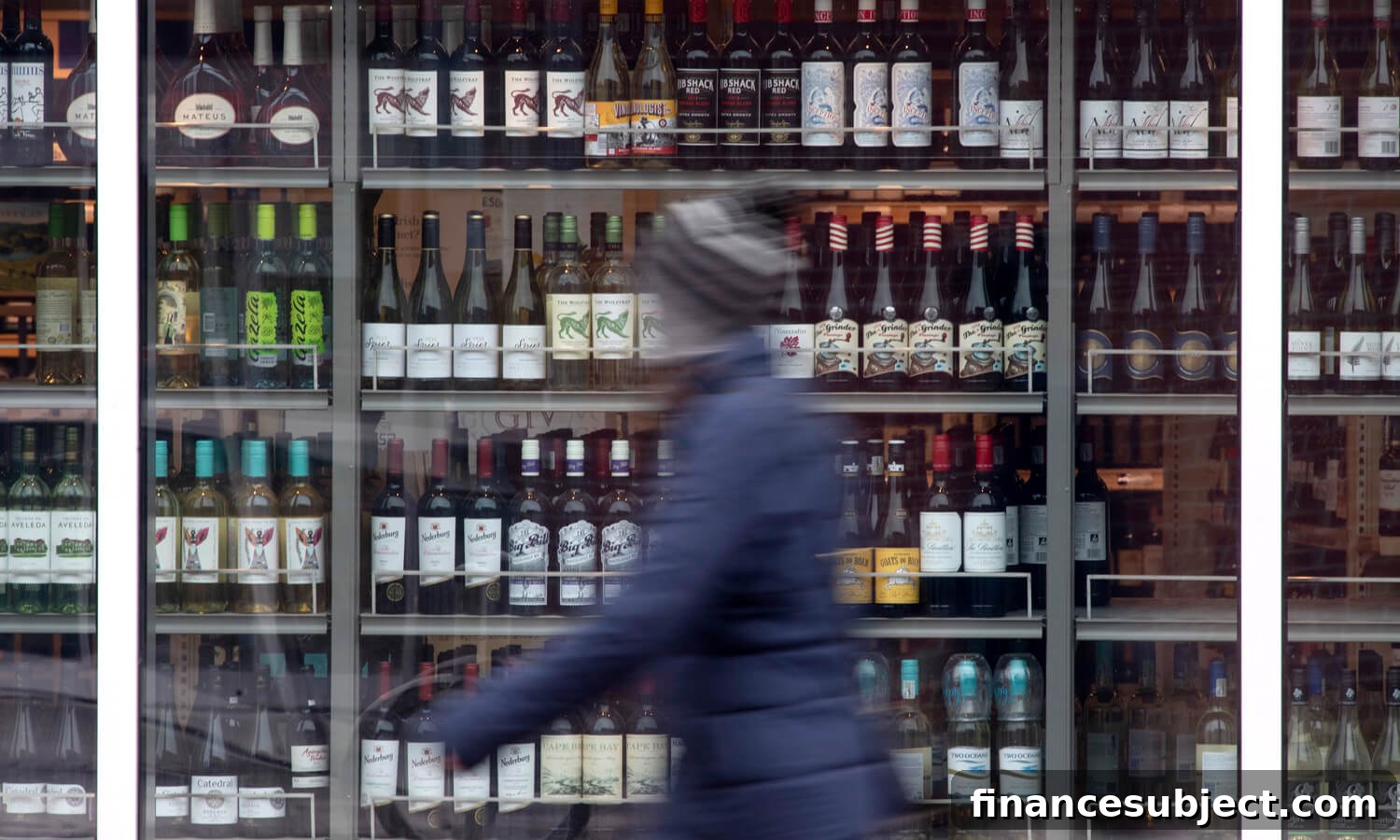
The temporary GST relief runs from Dec. 14 through Feb. 15 and covers a range of everyday purchases, including toys, diapers, many snack foods, restaurant meals, and beer and wine. For consumers, the exemption will lower the cash price of those items while it is in effect, which should support a rise in discretionary and routine spending during the holiday and winter periods.
Will Canadians spend more money? Will the economy improve?
Benjamin Reitzes, managing director of Canadian rates at BMO Economics, said he expects a mix of outcomes: a significant share of the stimulus cheques will probably be saved, while the GST/HST temporary exemption is likely to prompt additional spending. As a result, BMO has raised its growth forecast for the first quarter to 2.5% from 1.7%. Smaller upward revisions are possible for the second and third quarters of 2025, although the third-quarter forecast may be trimmed as the stimulus effect fades.
Mendes similarly projects a noticeable boost to growth in the first half of next year. Porter warned that while the cheques and tax holiday will lift consumer demand and headline inflation temporarily, those effects should be short-lived. “We could get some pretty mild inflation readings in December and January before they then kind of nudge back up in February and March,” he said, describing the likely pattern of a brief uptick in prices followed by a return toward previous trends.
Read more about the economy in Canada:
- Why are Canadians still frustrated with the economy?
- Canada’s economy news: Are we growing enough?
- Inflation is on target in Canada, so why is food (and other stuff) still so expensive?
- How Trump’s election win could affect interest rates in Canada