
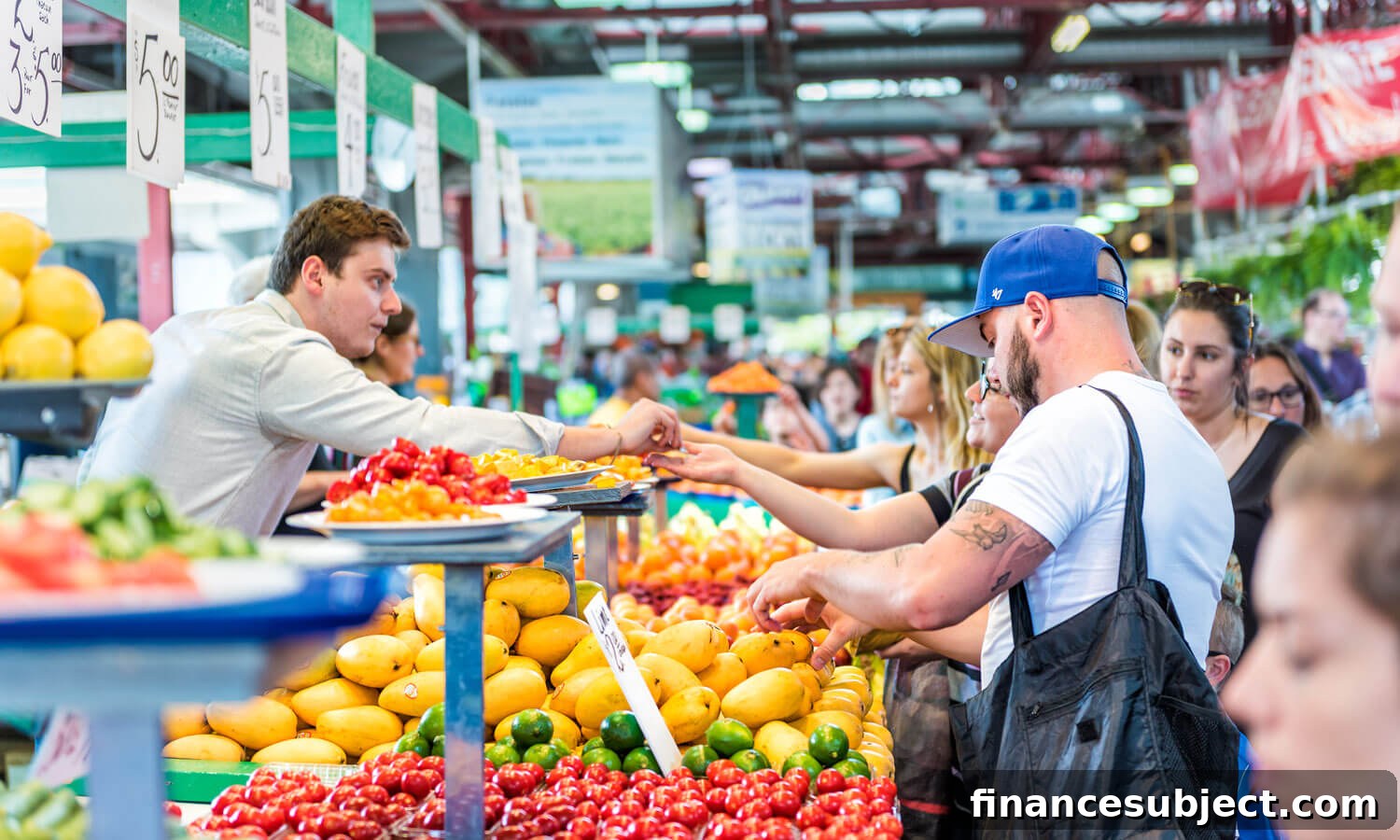
Statistics Canada reports that inflation has eased, but many Canadians still feel the impact when they shop. High grocery prices—whether that’s $15 for grapes or $20 for chicken breasts—are prompting sticker shock at the checkout. If you’re worried about the cost of basics and seeing your grocery bill climb, you’re far from alone.
Beyond uncertainty about the next grocery bill, many households are struggling to cover essential food costs. A recent Angus Reid Institute survey found that 51% of Canadians say meeting household food needs is a challenge. That strain spans income groups—from lower-income households to families earning more than $200,000 a year.
“Even if headline inflation is easing, the lingering effects of earlier price rises keep many items costly,” says Sylvain Charlebois, director of the Agri-Food Analytics Lab at Dalhousie University. Across the country, families large and small are feeling the pinch. Anna Lee Boschetto, a mother of two from Caledon, Ont., says her family is fortunate not to go hungry, but she’s worried for neighbours who aren’t as lucky. “It’s concerning because there isn’t a clear, immediate fix,” she says.
Featured credit cards
Tangerine Rewards World Elite Mastercard
GO TO SITE
SimplyCash Preferred Card from American Express
GO TO SITE
MBNA True Line Mastercard
GO TO SITE
The ins and outs of inflation
Canada’s inflation rate has eased to around 2.0% in October, yet many daily costs—coffee, takeout and groceries—still feel high. Several forces drove food prices up: higher operating costs for producers, supply-chain disruptions and shifts in corporate pricing and profits. Even as price growth slows, food inflation often remains above overall inflation.
Food price growth began to moderate—year-over-year food inflation stood at roughly 2.7% in October—but that still puts groceries above the headline rate. The effects of earlier rapid inflation, along with ongoing global pressures, keep many staples expensive for now.
Why your grocery bills are still high
For many households, food costs have risen sharply. The typical family of four in Canada is expected to spend about $16,297 this year on food—an increase of several hundred dollars from the prior year, according to Canada’s Food Price Report. That follows an even larger jump the year before. “Families are feeling the pressure,” Charlebois says. In short: yes, inflation remains a lived reality for many shoppers.
When will food prices fall in Canada?
Predicting when food prices will decline is complex. Inflation is only one factor; global supply disruptions, geopolitical unrest and weather extremes also shape costs. For instance, conflict in Ukraine pushed grain prices higher, affecting cereal and snack prices, while extreme weather in the Mediterranean has sharply raised olive oil costs. Droughts in western Canada have contributed to higher beef prices by reducing herd sizes.
Some of these pressures are easing and specific food prices have begun leveling off. Still, grocery prices often rise in the fall as domestic production for many fruits and vegetables winds down and imports increase.
Rankings
Canada’s best credit cards for groceries
Shrinkflation and skimpflation are real for Canadians
Beyond raw prices, shoppers are encountering shrinkflation—smaller package sizes at the same or higher prices—and skimpflation, where manufacturers change ingredients to cut costs. Examples include snack and household products that now contain less product or have substituted cheaper ingredients.
Shrinkflation can hide a price increase by reducing the amount you receive, so you may not notice the per-item price rise at the till, but you end up spending more over time because you buy replacements more often. Boschetto has noticed smaller bread products and other package changes; she’s also observed ingredient substitutions that reduce quality in some cases.
These product changes affect shopping habits. Consumers who once bought the same brands may now switch to alternatives, shop sales more closely, or prioritize essentials to stretch their budgets.
So, who’s still seeing #shrinkflation in action? Where do you notice it? And has it changed your shopping habits? (Photo courtesy of managing editor @jaclynlaw.)
Does the value of the Canadian dollar affect grocery prices?
The loonie’s value matters because Canada imports groceries seasonally and for products we can’t grow year-round. When the Canadian dollar falls, imported goods cost more in local currency, which can push grocery prices higher. A weaker currency is a trade-off: it can help exports and investment but may also import inflation through pricier imports.
Understanding your personal inflation rate
Your personal experience of inflation depends on what you buy. If most of your spending goes toward groceries, energy or rent, you’ll feel higher inflation than someone whose spending leans toward items that have fallen in price, like some electronics or clothing. Household circumstances—family size, food preferences and recent large purchases—shape how much inflation impacts you.
Wage growth can help offset rising costs. Recently, wage increases in some sectors have outpaced inflation, which should help households over time. How much relief you see depends on your job and income trajectory, but rising wages could ease pressure for many families.
Strategies to stretch your budget
Experts offer practical ways to make your grocery budget go further:
- Choose store brands, which often match name-brand quality at lower prices.
- Buy staples like rice and pasta in bulk to save per unit.
- Use coupons and price-comparison apps to find the best deals.
- Shop seasonally when fresh produce is most affordable.
- Turn to frozen produce when fresh items are out of season.
- Plan meals around current sales and discounts.
- Experiment with recipes that use sale items or cheaper ingredients.
Boschetto recommends shopping marked-down produce, bakery items or prepared foods when you can use them soon—picking overripe avocados for guacamole, for example, can be far cheaper. Ultimately, flexibility and smarter shopping choices will help lower weekly grocery totals even if prices don’t drop immediately. “The good news is price growth is slowing; the challenge is that prices aren’t falling quickly yet,” says Mike von Massow.
Newsletter
Get free MoneySense financial tips, news & advice in your inbox.
Read more shopping tips:
- How Moi Rewards works in Ontario
- What to know before Black Friday and Cyber Monday
- Should you buy or lease your next car?
- Credit cards that can save on travel to Orlando