

How to negotiate a higher salary in Canada
- Why it’s important to negotiate a higher salary
- How do you know when it’s time for a pay raise?
- How much of a raise should you ask for?
- How to renegotiate your salary
- What if your manager rejects your salary negotiation attempt?
- How to approach a wage negotiation conversation for a new job
Prices for essentials like groceries, housing and transportation are higher than before the pandemic, and many Canadians are looking for ways to increase their income. When a side hustle isn’t practical, negotiating a higher salary or asking for a raise at your current job may be the best path to improving your finances.
Surveys show many workers feel underpaid but few are comfortable negotiating. Whether you want to close the gap between pay and living costs, protect your purchasing power against inflation, or align income with your career growth, a well-prepared negotiation can help. Below are clear, practical steps to plan and conduct a salary conversation in Canada—covering when to ask, how much to request, how to structure your pitch and what to do if the answer is no.
Why it’s important to negotiate a higher salary
Negotiating pay matters for several reasons:
- You might be leaving money on the table. If you never negotiate, you may miss opportunities to increase savings, invest, or move closer to long-term goals like homeownership. Recruiters and salary coaches say negotiating your pay is a key part of building wealth.
- Your pay may not keep pace with inflation. Inflation erodes purchasing power over time. Pay raises don’t always automatically reflect increases in cost of living, so you often need to request an adjustment tied to performance or market rates.
- Your income affects well-being. While money isn’t the sole source of happiness, fair compensation is closely tied to financial security and overall quality of life. A higher salary can reduce stress and open up options for the future.
Return to top
How do you know when it’s time for a pay raise?
Before asking for more pay, evaluate whether your role, responsibilities or performance have outgrown your current title or salary. Use these indicators to decide if it’s time to ask:
- Your responsibilities have changed. Compare your daily tasks to your original job description. If you’re performing work well beyond the scope of your role, that’s a strong reason to request a review.
- You consistently exceed performance goals. If you regularly surpass targets—such as sales quotas, project milestones or measurable productivity improvements—document those results as evidence of your value.
- You’ve moved into leadership or taken on more influence. If you now mentor others, manage direct reports, or lead cross-functional initiatives, you’ve effectively ascended your role and may be eligible for a promotion and pay increase.
Return to top
How much of a raise should you ask for?
Determining a reasonable raise requires research and perspective. Consider both external market rates and internal equity: what similar roles pay in your region and what colleagues earn within your company. Steps to set a target:
- Gather market data from salary comparison tools and job postings to find the typical range for your title and location.
- Talk discreetly with trusted colleagues at the same level about compensation to understand internal norms, or meet with HR to ask about typical salary bands and progression paths.
- Factor in your accomplishments, added responsibilities and local cost-of-living trends. If you need help, a career or salary coach can clarify a realistic figure to request.
Return to top
How to renegotiate your salary
When you’re ready to ask for a raise, plan the conversation carefully. Use these practical tips to present a compelling, professional case:
- Schedule the discussion—don’t ambush your manager. Book a dedicated meeting and let them know you want to review your role and compensation so they can prepare, too.
- Ask for permission to present your case. Frame the meeting as a collaborative review: for example, “I’d like to discuss my role and compensation and explore next steps.” Clarify that you don’t expect an immediate decision if that will ease the conversation.
- Identify stakeholders and position the request as a business conversation. Your manager will likely need to involve HR or senior leaders. Present your case in terms of value to the company, not just personal need.
- Focus on future contribution, not only past work. Use past results to demonstrate how you will continue to deliver impact. Outline goals and projects you will lead in the next 6–12 months to justify the investment.
- Bring measurable evidence. Create a concise document or short slide deck that summarizes key achievements—revenue impact, efficiency gains, projects delivered—so stakeholders can quickly see your value.
- Be realistic. Significant pay growth typically follows a clear expansion of role or exceptional performance. Understand the company’s pay structure and set reasonable expectations.
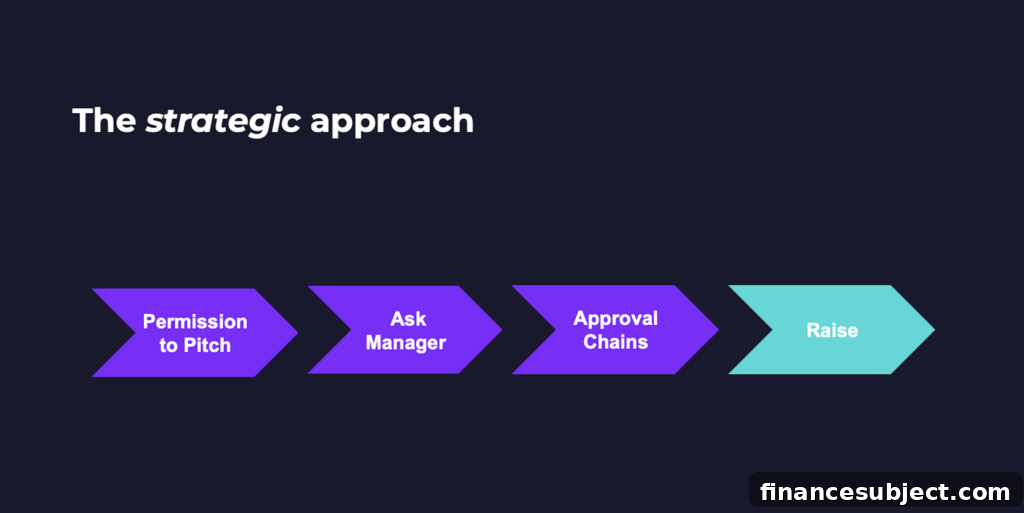
Avoid leading with a competing job offer unless you are prepared to leave; it can make the employer question your long-term commitment. Instead, keep the conversation about mutual benefit and the contributions you will continue to make.
Return to top
What if your manager rejects your salary negotiation attempt?
If your employer declines a raise and your pay is below market, consider your options. For some, finding a new role that pays more is the right choice. For others who wish to stay, keep the dialogue open and agree on clear performance metrics and a timeline for re-evaluation.
Ask for regular check-ins and concrete targets that, when met, will trigger another compensation review. Document those milestones and follow up consistently to demonstrate progress.
Return to top
How to approach a wage negotiation conversation for a new job
When applying for new roles, be strategic about stating salary expectations. If a form asks for a desired salary, you can leave it blank or write “open for discussion.” If you must enter a number and have a minimum you cannot accept, consider naming an amount up to about 20% above that minimum to leave room for negotiation and to protect against inflation.
Use interview stages to gather more information about the employer’s budget and the full compensation package—salary, bonuses, equity, benefits and professional development. If an employer reacts negatively to reasonable negotiation early on, treat that as a signal about company culture and whether you want to work there long term.
Return to top
Don’t be afraid of salary talk
Open conversations about pay reduce uncertainty and improve outcomes. Talk to peers, mentors, recruiters and managers to learn typical ranges and negotiation strategies. Building a network that discusses compensation openly can help you benchmark your worth and become more confident when asking for what you deserve.
Negotiation is a skill that improves with practice. Prepare your case, present measurable results, and treat the discussion as a business conversation focused on mutual value. With the right approach, you can increase your pay and strengthen your financial stability.
Return to top
Read more about careers:
- Side hustles and self-employment in Canada: Taxes, business expenses and more
- How to become a digital nomad—and not go broke
- How to make more money in Canada: 6 side hustle ideas
- How to make money selling stuff online