
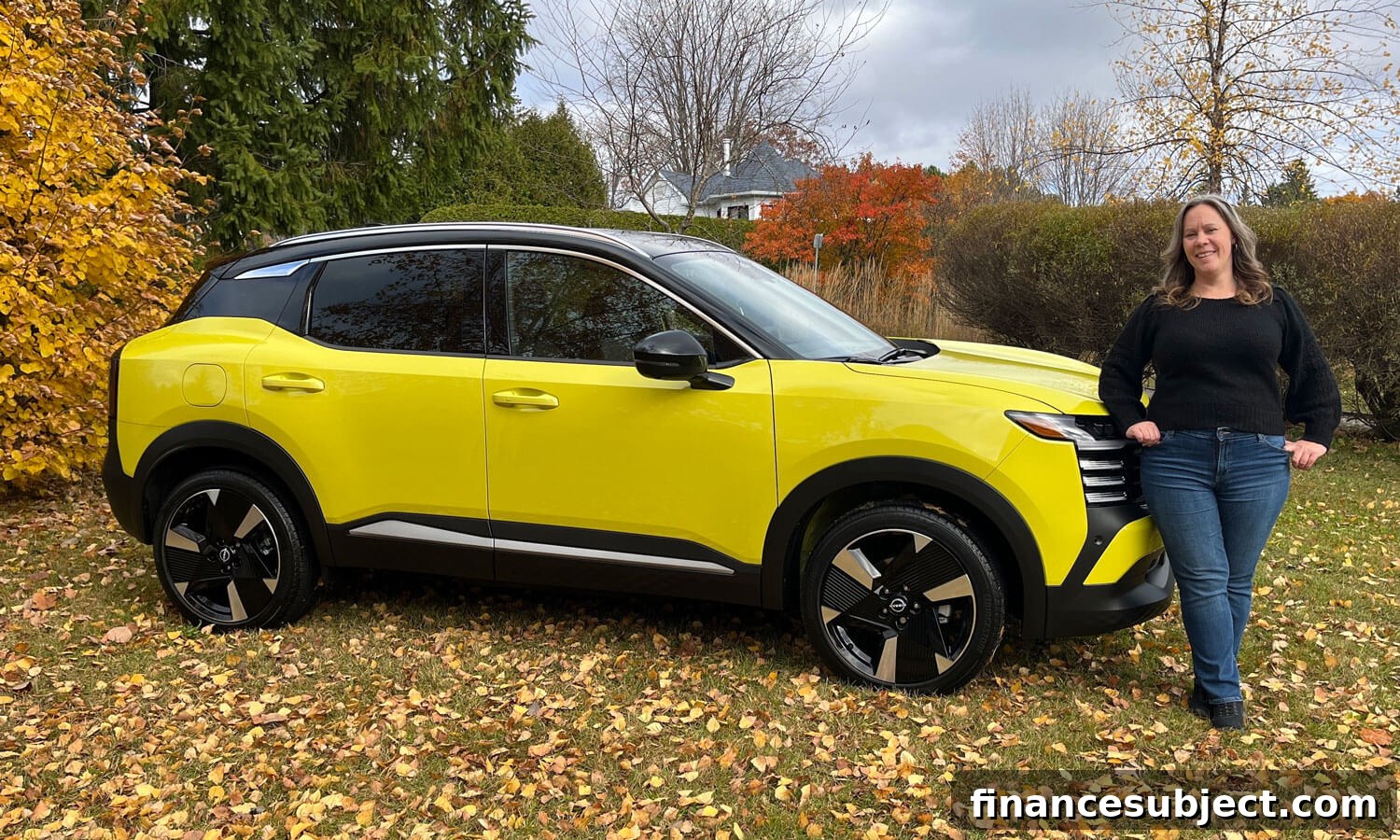
Leasing a car is a different way to pay for a vehicle, and while it offers clear advantages, experts say it is a good fit for a relatively small group of drivers. The primary attraction is lower monthly payments on a brand-new vehicle, which can be especially appealing to people watching their monthly cash flow.
Resource highlight
LoanFinder is moments away from showing your personalized loan matches
In under 60 seconds, get paired with lenders that match your needs and approval odds. No SIN required.
Powered by ratehub.ca
What does it mean to lease a car?
Leasing a car is essentially a long-term rental: you pay the dealership for the right to use a vehicle for a set period—typically two to four years—rather than buying it outright. Since you’re not purchasing the car, monthly lease payments are usually lower than loan payments on a new vehicle, which is why leasing often attracts buyers who want current models with lower monthly costs.
Also read
Buying a car?
Tips on how to secure the best loan rate.
When to lease a car—and when not to
“Leasing tends to make the most sense for new vehicles,” says Brandon Wiebe, a fee-only financial planner with Money Helps in Saskatoon. A leased car looks and feels new, usually needs little maintenance early on, and includes the latest features in safety and connectivity. Most people are drawn to leasing because the monthly payment is lower than a comparable purchase, which eases short-term cash flow.
That lower monthly payment was what convinced Stephanie Wallcraft to lease a car in her 20s. Wallcraft, a freelance automotive journalist and former president of the Automobile Journalists Association of Canada, now calls that decision a mistake.
“It became a problem when the car started having issues and I wanted out,” she explains. “Getting out of a lease is far more complicated than ending a financing agreement.”
For people in their 20s who are still building careers, moving for work, starting families or facing uncertain employment, a low monthly payment can be tempting but risky. Wallcraft generally advises young buyers to avoid leasing because the payments do not build equity.
When you lease, your monthly payments cover the vehicle’s depreciation—the amount the car loses in value, which is steep in the first year—so you’re effectively paying the dealer for the loss in value rather than investing in an asset you own.
featuredSpring FinancialApply for a personal loan with APRs from 9.99% to 34.95%. Fast e-transfers and no credit score impact to pre-qualify.find your rate
featuredgoPeerPre-qualify instantly to borrow up to $35,000, with rates starting at 8.99%.Find your rate
What happens at the end of a car lease
Lease contracts often include strict return conditions. When the lease term ends, the vehicle is inspected for damage and wear; you will be charged for anything beyond normal wear-and-tear. If you exceed the mileage limit in your contract, excess-mileage fees apply and can be substantial. These end-of-lease costs are typically binding and can take lessees by surprise.
When to buy a car in Canada
Buying a car and financing ownership is different: you begin with negative equity—owing more than the car’s resale value—but over time you build equity as you pay down the loan. After a few years, depending on your financing term and depreciation, you may be able to sell the vehicle for a price that reflects the remaining loan balance.
Even drivers who like to get a new car every three or four years can benefit from buying instead of leasing. “If you purchase and then resell a vehicle every few years, you can still come out ahead because you build some equity,” Wiebe points out. Owning a car for a longer period also frees up money to put toward savings or other long-term goals.
Pros and cons of leasing an EV
Leasing an electric vehicle (EV) adds another layer of uncertainty. Residual values for EVs are not yet fully predictable, and lease payments rely on assumptions about how much the vehicle will be worth at lease end. That uncertainty can make EV leases riskier.
Lease contracts are generally difficult to terminate early. If you decide an EV isn’t for you—because of charging needs, range anxiety, or other lifestyle factors—finding a third party to assume the lease can be challenging when EV adoption is still limited. Wallcraft recommends financing an EV you can afford so you retain control over selling or keeping the vehicle if your preferences change.
So who should lease?
Leasing is most attractive to wealthier customers and professionals who value convenience and time savings. With a leased, warrantied vehicle, there’s little hassle around maintenance and ownership transfer. “If you’re in a high-demand profession and don’t want to spend time dealing with buying and selling cars, leasing offers a simple monthly payment and peace of mind,” Wiebe says.
Leasing also works well for corporations that prefer not to have vehicles on their balance sheet, and for affluent buyers who enjoy swapping into a new model every few years and are comfortable treating the arrangement like a subscription.
Resource highlight
Compare car insurance quotes and save
In under five minutes, compare personalized auto insurance quotes from Canada’s leading providers.
Powered by ratehub.ca
Read more about buying a car:
- The real costs of buying a car
- Should you buy a new or used car?
- How to buy a car in Canada and get the best loan rate
- Is it a good time to buy a new car?