
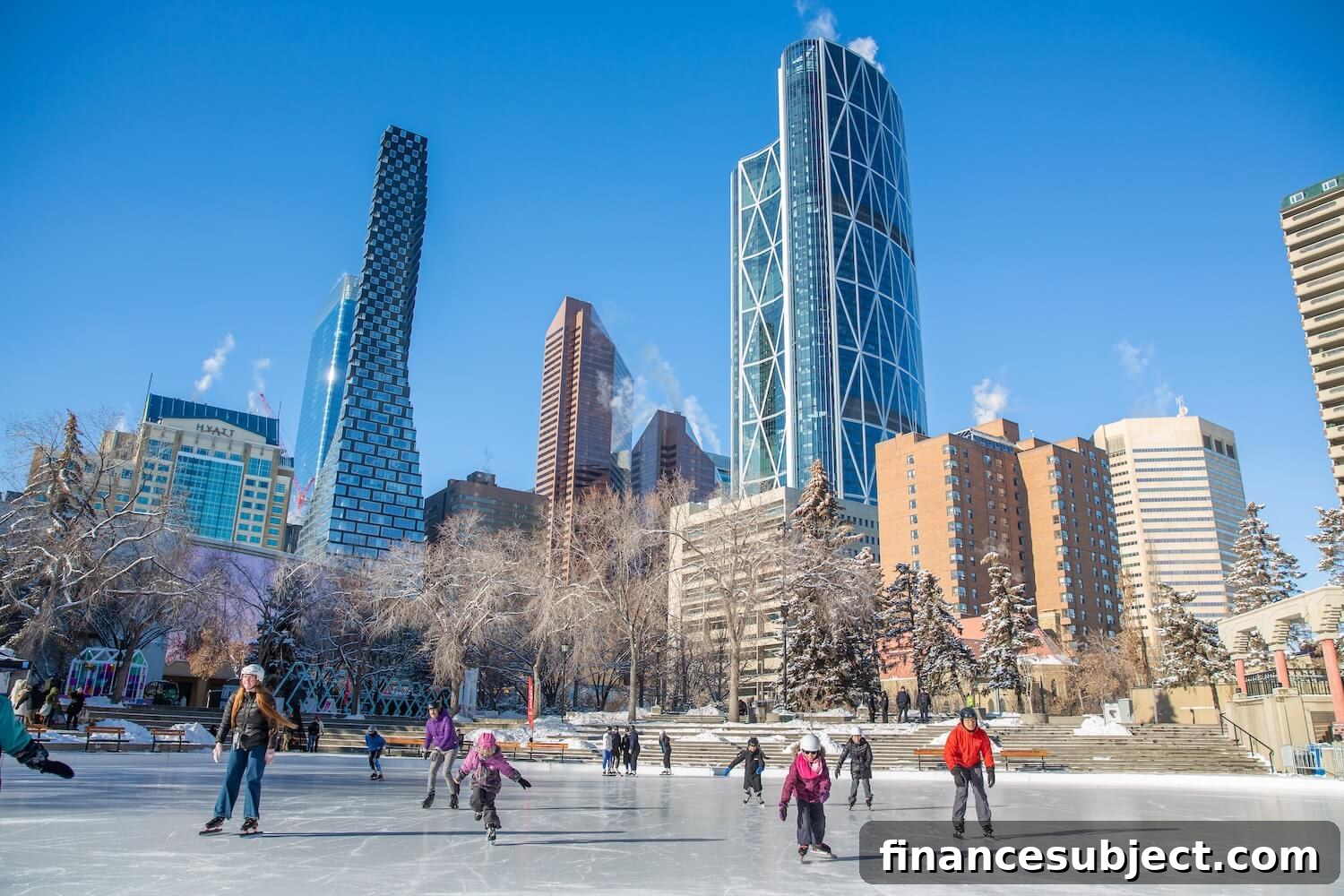
Like many people from Ontario, I was drawn to the “Alberta Is Calling” campaign and moved from Toronto to buy a condo in Calgary last year. Prices in the prairies were roughly half those for comparable properties in the Greater Toronto Area, and buying seemed like the only realistic path to home ownership. But qualifying for a mortgage is not the same as being able to comfortably afford a home.
Nearly a year later I’m juggling monthly bills with very little left for savings, debt repayment, or leisure. Below are the lessons I wish I’d learned beforehand, plus practical advice from a certified financial planner on how to prepare for a first home purchase and what to do if you find yourself financially stretched.
Newsletter
Get free MoneySense financial tips, news & advice in your inbox.
5 things I wish I’d known before buying a home
1. “Affordable” doesn’t mean you’re ready to buy
I focused so much on rising prices and the urgency to “get in the market” that I didn’t fully account for the cash I would need right away. As a first-time buyer I could withdraw from my registered retirement savings plan (RRSP) for a down payment, but the condo I loved ended up slightly above what the lender approved. I had to dip into my savings for an extra $5,000 to cover the purchase price.
There were additional up-front expenses: a home inspection, condo document review and legal fees, plus moving costs and new furniture after relocating across the country. My savings were nearly gone before I’d even moved in, and I relied on credit to cover everything else. Building a larger emergency cushion beforehand would have made a huge difference.
2. Figure out your monthly budget before you buy
I bought a condo the first week I arrived in Calgary, before receiving my first paycheque from my new job. I didn’t know my actual take-home pay, so I guessed at what I could afford. Once paycheques and deductions began, my monthly cash flow was tighter than I expected. If you’re relocating, wait until you understand your net income and build a realistic monthly budget that covers all regular costs.
3. Mortgage payments are only one part of the cost
The bank approved me for $318,000 and I used the full amount. Because my down payment was under 20%, I also had to pay CMHC loan insurance. I chose a five‑year fixed mortgage with a 25‑year amortization at the lowest rate available then. Since that time, interest rates have moved downward, and had I waited or chosen a variable rate my payments might have been lower.
Beyond the mortgage, monthly homeownership costs added up quickly: property taxes, condo fees, condo insurance and utilities. I also needed to cover groceries, transportation—Calgary is spread out, so driving is common—and everyday living expenses. All told, a smaller mortgage would have given me more breathing room for savings, debt repayment and social life.
4. Do your due diligence on the property
I paid a third‑party company to audit the condo’s reserve fund and financial statements. The report warned the reserve fund was underfunded, but I bought the unit anyway. Not long after I was hit with a special assessment of almost $1,400 to shore up operational and reserve deficits, and additional assessments are possible. A thorough financial review and weighing that information into your decision are essential.
5. Have a plan B
After burning through savings and relying on credit, I wish I’d prepared a contingency plan. I’ve had to cut discretionary spending, skip many social activities, and worry a lot about money. A backup plan—whether it’s a pause before buying, a larger emergency fund, or a strategy for generating extra income—reduces stress if things don’t go as planned.
Best places to buy
Where to Buy Real Estate in 2026
How to prepare for buying your first home
Kenneth Doll, a Certified Financial Planner (CFP) in Calgary, says it’s common for new buyers to overextend themselves. Lenders are in the business of lending—the larger the mortgage, the more interest the bank earns—so qualifying for a large loan doesn’t always mean it’s the right choice.
Doll notes that while CMHC recommends spending no more than 32% of gross income on housing, every household is different. He advises prospective buyers to consult a financial planner to review income, expenses, savings and debt to determine what they can realistically afford, rather than relying solely on what a lender or an online calculator approves.
What to do if you become house-poor
“A lot of people focus on the shiny asset—the house—rather than the ongoing expenses,” Doll says. “Expect unexpected costs. Have more savings, aim for a larger down payment to avoid mortgage insurance, and don’t buy more than you can realistically afford.”
If you’ve already overextended yourself, Doll suggests three main options: sell the property and downsize, increase income through side work, or cut expenses where possible. He also recommends continuing to save where feasible—contributing to an RRSP can offer tax benefits and help rebuild a financial cushion.
How I plan to get back on track financially
I’m working to correct the mistakes I made moving to Alberta in a rush. I’ve started freelance writing to add income and am finding ways to trim expenses—more home-cooked meals, fewer nights out, and low-cost social activities like walks with friends. Given the strength of the Calgary market, selling for a gain is an option, as is refinancing for a lower rate if the math makes sense after penalties.
It won’t be an easy process, but I’m hopeful the sacrifices will pay off. Meanwhile, I take comfort in living in a place I own and in being proactive about improving my financial situation.
Read more about home ownership:
- Should you move to Alberta?
- The Canadian mortgage stress test, explained
- Find the best mortgage rates in Canada
- Why are mortgages so expensive in Canada?
- The complete guide for first-time home buyers in Canada