
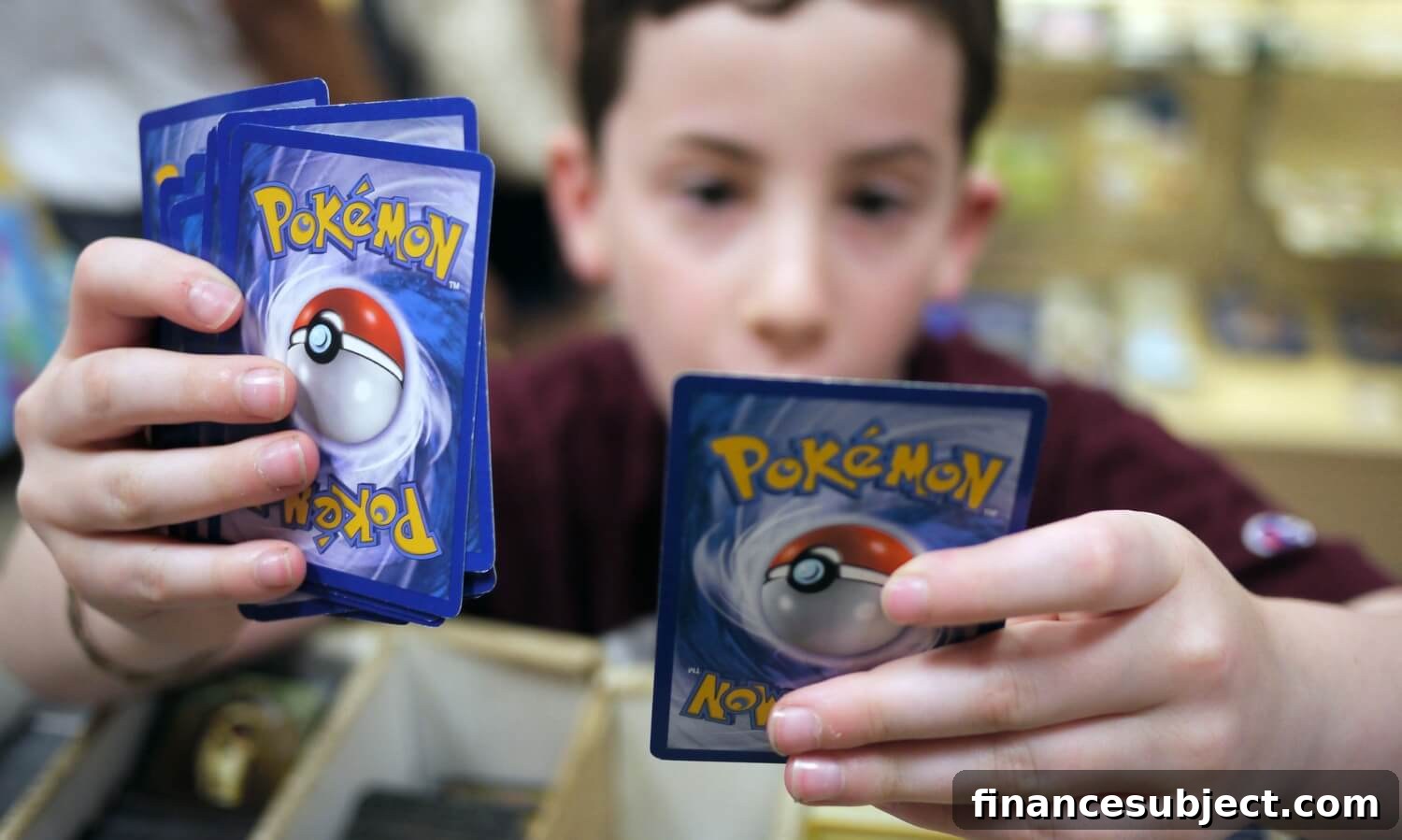
When rare first-edition Pokémon trading cards were offered for sale three years ago, Adam O’Brien was struck by a wave of nostalgia. Now 32, he saw the purchase as both a sentimental decision and a potential long-term investment.
It was a gamble — he paid $100,000 for three sealed packs — but it turned out to be a partial win: two of the packs together have since been worth more than his original outlay.
“You could argue that Pokémon cards and other trading cards act as a store of value, similar to collectibles, because of their scarcity,” O’Brien told an interviewer. For him, rarity and cultural relevance made the purchase attractive.
Newsletter
Get free MoneySense financial tips, news & advice in your inbox.
What are alternative investments?
Alternative investments are assets outside the traditional mix of stocks and bonds. While that term often conjures images of hedge funds or real estate, it also includes niche physical and intangible items that younger investors increasingly buy: limited-edition sneakers, designer handbags, trading cards and other collectibles.
The trading-card market surged during the pandemic as people dedicated more time and money to hobbies. Patrick O’Neill, senior vice-president of sales and business development at NFP Canada, says that growing interest pushed prices sharply higher and turned personal collections into appreciated assets for many owners.
“Values were rising much faster than inflation and, in some cases, faster than stock-market gains — comparable to art, fine wine or high-end jewelry,” O’Neill recalled. That dynamic attracted millennials and Gen Z collectors who view memorabilia not only as nostalgic treasures but as speculative investments.
Why Canadians see value in alternative assets
For collectors like O’Neill, who has gathered hockey and game cards for five decades, the appeal begins with nostalgia and grows into an investment mindset. He estimates his collection is worth about $50,000 today.
High-profile sales also reinforce the market’s potential. Earlier this year, a case of unopened 1979 O-Pee-Chee hockey card boxes — potentially containing multiple Wayne Gretzky rookie cards — reportedly sold for more than $3.7 million after being found in a Regina home. The case included 16 sealed boxes with over 10,000 cards.
Also read
The best online brokers, ranked and compared
How do you value alternative investments?
Valuing niche alternative assets — whether wine, designer bags or trading cards — can be challenging. Physical condition, provenance and authenticity matter greatly, and professional grading services often determine market value for high-end trading cards by assessing factors such as fading, creases, corners and surface wear.
To protect his high-value Pokémon cards, O’Brien stores them in a secure, fireproof facility rather than at home. “They’re kept in a fireproof vault — the same care you’d use for gold bars,” he said.
For many collectibles, factors like rarity, historical context and emotional attachment strongly influence price. Scott Blair, chief investment officer at CWB Wealth, notes that valuation ultimately comes down to what the next buyer is willing to pay, which means the market can be illiquid and prices can swing significantly.
The risks of buying alternative investments
Alternative assets can deliver strong returns but carry unique risks. Unlike stocks or bonds, they do not generate predictable cash flows, quarterly reports, or earnings metrics. That lack of standardized financial data makes pricing subjective and sensitive to trends and sentiment.
“A lot of memorabilia value is tied to emotion,” Blair explained. If cultural interest wanes over time — if fewer people care about a particular franchise or collectible — prices may drop considerably. An asset that was highly sought-after today could become difficult to sell decades from now.
Some alternative investments are easier to evaluate. Music royalties, for instance, can be assessed based on streaming trends and historical income, and events such as an artist’s renewed popularity or an estate sale can spike demand. James Burron, co-founder of the Canadian Association of Alternative Strategies and Assets, points to how renewed attention can boost royalty income.
Burron, who collects vintage Wolverine cards himself, advises diversification across asset types. “Relying solely on alternatives can make a portfolio riskier than one that includes stocks and bonds,” he said. Blending alternatives with traditional assets helps manage volatility and liquidity risk.
Not correlated to stocks and bonds
Alternative assets often have low correlation with stocks and bonds, meaning economic factors like inflation do not affect them the same way mainstream investments are affected. This characteristic can make them attractive for diversification, but it also means they behave differently in down markets.
For O’Brien, buying Pokémon cards was a learning experience. Three years after his purchase, the market value of his collection fell by about 20%, and he has since shifted away from memorabilia purchases. “I don’t see that long-term value sustaining,” he said, reflecting on the volatility and uncertainty of niche collectibles.
More about investing:
- Private equity, private debt and more alternative investments: Should you invest?
- What is the price of gold in Canada? And more about gold investing
- Scared of selling? When holding on to stocks can hurt you financially
- Boost your portfolio: Why and how to increase small-cap exposure with ETFs