

Many credit cards now include mobile device insurance, and for good reason. Smartphones are costly, so this built-in benefit can save you hundreds — or even thousands — of dollars if your device is lost, stolen or damaged. Below is a clear explanation of how credit card mobile device insurance works and a look at several Canadian credit cards that offer this protection.
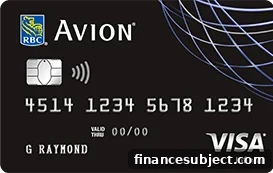
RBC Avion Visa Infinite
Scotiabank Momentum Visa Infinite+ Card

American Express Cobalt Card

What is mobile device insurance?
Credit card mobile device insurance reimburses you for loss, theft or damage to a mobile device when you purchase the device — or pay the associated contract — with the eligible card. Coverage usually applies only to the device itself; batteries and accessories such as headphones, chargers and cases are generally excluded. Refurbished or previously owned devices are not typically covered, even if paid for with the card.
How credit card mobile device insurance works
Mobile device insurance attached to credit cards works like other insurance products: there are time limits, coverage caps, deductibles and documentation requirements. Key points to watch for include:
- Coverage period: Insurance often starts after a grace period of one to three months following purchase. Coverage is usually limited to a set period, commonly up to two years from the purchase date.
- Coverage limit: Many cards cap protection at $1,000 per device. Some premium cards offer higher limits, such as $1,500.
- Deductible: You’ll usually pay a deductible before a payout is made. Some policies calculate the deductible as a percentage of the original purchase price; others factor in depreciation.
- Depreciation: Insurers typically reduce payouts to reflect how a device loses value over time. A common depreciation approach is a monthly percentage that reduces the device’s insured value.
- Lost or stolen devices: Most insurers require you to notify the card insurer and your wireless provider quickly — often within 48 hours — and suspend service. Items stolen from checked baggage or left unattended may not be covered.
- Claim limits: Many programs restrict the number of claims you can make in a year — often one claim per cardholder per 12 months.
Despite limitations, credit card mobile device insurance is a valuable no-cost benefit because it’s automatic for qualifying purchases and can reduce repair or replacement costs significantly.
The best credit cards with mobile device insurance
Below are some popular Canadian credit cards that include mobile device insurance as part of their benefits. Coverage amounts and other card features are summarized to help comparison shopping.
| Credit card | Mobile device insurance coverage |
|---|---|
| RBC Avion Visa Infinite Annual fee: $120 |
$1,500 |
| Scotia Momentum Visa Infinite+ Card Annual fee: $120 |
$1,000 |
| American Express Cobalt Annual fee: $192 |
$1,000 |
| Tangerine Money‑Back World Mastercard Annual fee: $0 |
$1,000 |
| CIBC Aventura Visa Infinite Annual fee: $139 |
$1,000 |
RBC Avion Visa Infinite
At a glance: The RBC Avion Visa Infinite provides up to $1,500 of mobile device insurance — a higher-than-average limit — alongside extensive travel and rental insurance. Devices purchased with Avion points may also qualify for coverage under the card’s terms.
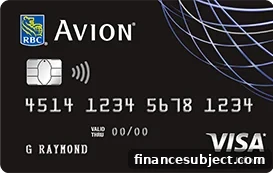
Annual fee: $120. Interest rates: 20.99% on purchases; 22.99% on cash advances and balance transfers. Income requirement listed at approximately $60,000 per year.
Pros
- Higher $1,500 device coverage limit than most cards.
- Coverage may apply even when you use reward points to purchase a device (check specific card terms).
- Deductible typically calculated as a percentage of purchase price adjusted for depreciation (example: 10%).
Cons
- Claims must be initiated before repairs or other actions, or a claim may be denied.
- For theft claims, police notification may be required promptly on the day of the incident.
Scotia Momentum Visa Infinite + Card
At a glance: This card offers $1,000 in mobile device insurance that usually begins 30 days after purchase. It also provides several other insurance benefits and a cash-back rewards structure.

Annual fee: $120. Interest rates: 20.99% purchases; 22.99% cash advances and balance transfers. Income and credit requirements are typically higher for this premium card.
Pros
- Coverage begins just 30 days after purchase for eligible devices.
- Deductible is often based on depreciated value rather than full purchase price.
- Flexible cash-back redemption options.
Cons
- Devices that require cellular activation may need an active service to be covered; Wi‑Fi‑only devices can be excluded.
American Express Cobalt
At a glance: The Amex Cobalt includes $1,000 in device insurance together with a popular points program and other cardholder benefits.

Annual fee: $15.99/month (about $191.88/year). Interest rates and reward values vary; review card terms for details.
Pros
- Coverage can start immediately if the device is paid in full on the card; financed purchases typically begin coverage when the first charge appears.
Cons
- Only one device insurance claim per year is usually permitted across the card’s coverage.
- Devices that require cellular service must be activated to qualify for coverage.
Tangerine Money-Back World Mastercard
At a glance: A no-annual-fee option that still includes $1,000 for new mobile device coverage, plus other perks such as rental car coverage and complimentary boingo Wi‑Fi access for Mastercard holders.

Annual fee: $0. Interest rates and eligibility criteria should be reviewed before applying.
Pros
- No annual fee with device coverage included.
- Coverage commonly starts 30 days after purchase and deductibles are based on depreciated value.
Cons
- Insurer approval is typically required before repairs or replacements are performed.
- Wi‑Fi‑only devices may not meet coverage requirements if the policy requires an active cellular account.
CIBC Aventura Visa Infinite
At a glance: The CIBC Aventura Visa Infinite offers up to $1,000 in coverage for loss, theft and damage when a device is paid for on the card. Reporting timeframes can be more generous, but claims often require detailed supporting documents.

Annual fee: $139. Interest rates and specific eligibility criteria vary; check current card disclosures for exact details.
Pros
- Purchases made with points or with the card may both qualify for coverage (confirm with issuer).
- Deductible usually calculated as purchase price less depreciation.
- Time allowances after loss or theft can be more lenient for suspending service and filing police reports.
Cons
- Repair claims often require estimates from manufacturer‑authorized repair centers, which can restrict options.
- Claim documentation requirements are often extensive, including original receipts and warranty details.
What if your credit card doesn’t include mobile device insurance?
If your card doesn’t provide device insurance, you still have several alternatives:
Manufacturer or retailer protection plans
Manufacturers and retailers offer extended protection options. AppleCare and Google Preferred Care are examples for Apple and Android devices respectively. These plans extend hardware support and typically cover accidental damage, sometimes loss, for a stated period. They often require a service fee per claim and vary by device model. Big-box retailers also offer protection plans that can cover repairs or replacements under specific terms.
Carrier device protection
Major Canadian wireless providers sell device protection plans that cover loss, theft and accidental damage for a monthly fee. Plans differ in price and scope; some include quick replacement or repair services. Carrier plans can be convenient because they are often easy to add and provide fast service through carrier or partner repair networks.
Final thoughts
Mobile device insurance bundled with a credit card is a convenient, cost-effective benefit for many cardholders. When comparing options, look at the coverage limit, start and end dates, deductible method, depreciation rules and the number of claims allowed per year. If your card lacks this protection, weigh manufacturer, retailer or carrier plans against the likely cost of repair or replacement to decide which option offers the best value for your situation.