

Kyle Prevost, creator of 4 Steps to a Worry-Free Retirement, Canada’s DIY retirement planning course, summarizes recent financial headlines and explains what they mean for Canadian investors.
U.S. Fed cuts rates for the first time in four years
The U.S. dollar and the American financial system remain central to global markets, so decisions by the U.S. Federal Reserve have wide-reaching effects. On Wednesday the Fed surprised many by cutting its key overnight rate by 50 basis points—the first reduction in four years—bringing the federal funds rate to a range of 4.75%–5.00%.
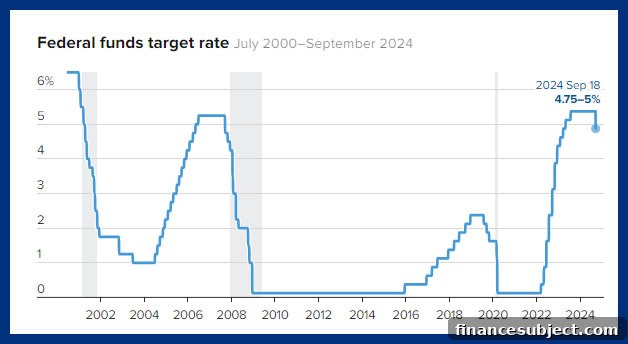
Most analysts expected the Fed to begin easing with a 25-basis-point move; the larger cut signals the committee’s growing confidence that inflation is heading sustainably toward its 2% target. The Fed statement noted that risks to its employment and inflation goals are “roughly in balance.” Fed Chair Jerome Powell framed the decision as an attempt to restore price stability while avoiding a large rise in unemployment.
Markets reacted quickly: major U.S. indices popped following the announcement, then settled near flat by the close. The next day, optimism returned—Nasdaq rose about 2.5% and the Dow climbed roughly 1.3% to surpass 42,000. Commentary in the media and from political figures followed, but financial markets generally focus on economic fundamentals rather than short-term political debate.
A sizable cut of this kind eases dollar funding pressures for emerging markets that borrowed in U.S. dollars and reduces the urgency for other central banks to aggressively defend their currencies against the U.S. dollar. If the Fed can execute a series of cuts without tipping the economy into recession, historical evidence suggests the outcome could be favorable for equities.
Canadian inflation back on target
Canada’s inflation picture is improving. Statistics Canada reported headline inflation at 2.0%, exactly the Bank of Canada’s target. This is the lowest reading since February 2021 and down from 2.5% a month earlier. With inflation moving toward target, the Bank of Canada appears positioned to start easing policy in the months ahead.
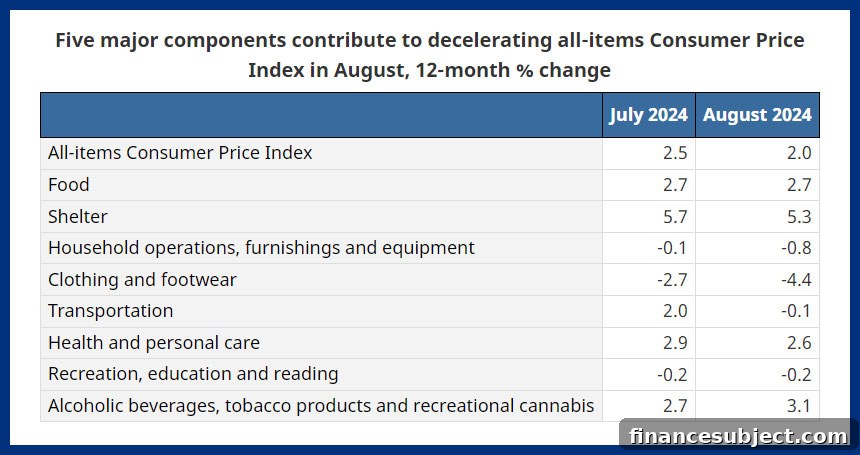
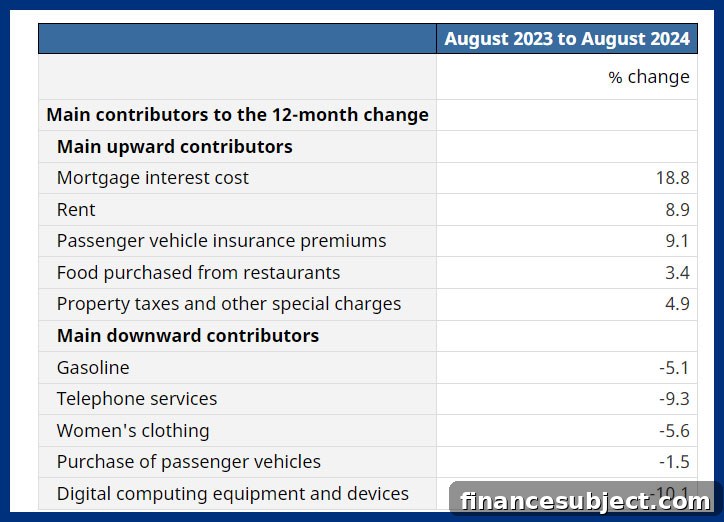
Housing costs continue to dominate Canada’s inflation narrative. Lower mortgage rates that follow policy easing could ease pressure on the rental market over time, though rental dynamics also depend on supply and local policies. Outside shelter, prices for items like gasoline, clothing and telecom services have been softening, which pulls overall inflation lower even while some sectors see rising costs.
Investor allocation has shifted recently away from high-growth technology toward more defensive sectors that offer reliable dividends. This reflects a cautious stance among investors who see a slower growth environment ahead and who favor income and stability while seeking long-term returns.
FedEx misses expectations
FedEx reported a weaker-than-expected quarter and its shares dropped sharply in after-hours trading. The company posted adjusted earnings per share of $3.60 versus analyst expectations near $4.76, and revenue came in below forecasts at $21.6 billion.
U.S. earnings highlights
All figures in U.S. dollars.
- FedEx (FDX/NYSE): Adjusted EPS $3.60 (versus $4.76 expected); revenue $21.60B (versus $21.96B expected).
- General Mills (GIS/NYSE): EPS $1.07 (versus $1.05 expected); revenue $4.85B (versus $4.77B expected).
FedEx cited difficulties normalizing operations after the surge in e-commerce and said it is reviewing business lines and contracts—including letting go of a U.S. Postal Service air contract that was unprofitable. Management also indicated a possible sale or restructuring of its freight division as it seeks to improve margins. By contrast, packaged-food company General Mills delivered a largely in-line quarter and saw little stock movement.
Microsoft made headlines this week after its board approved a substantial share buyback program and increased the dividend, which supported its stock performance.
Should investors fear quiet all-time highs?
When asked whether the economy is doing well, many Canadians remain skeptical despite strong stock market performance. Market gains often generate less attention than market declines, so extended rallies can feel invisible in everyday conversation.
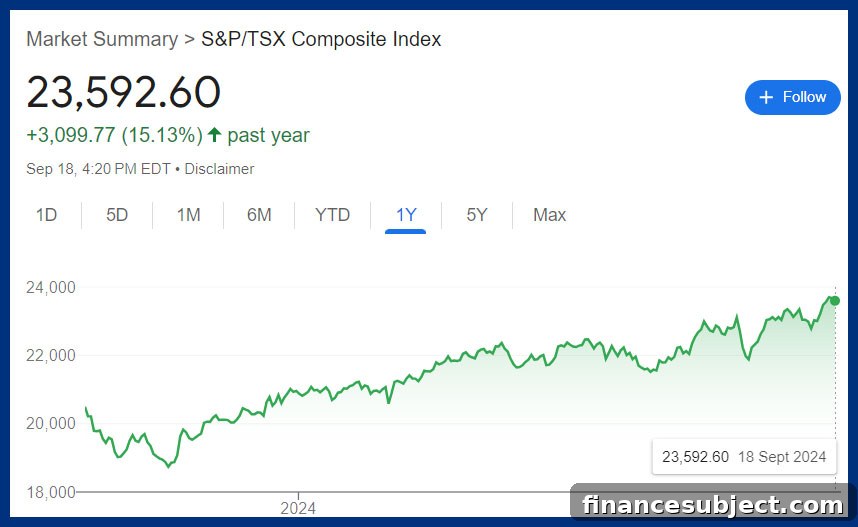
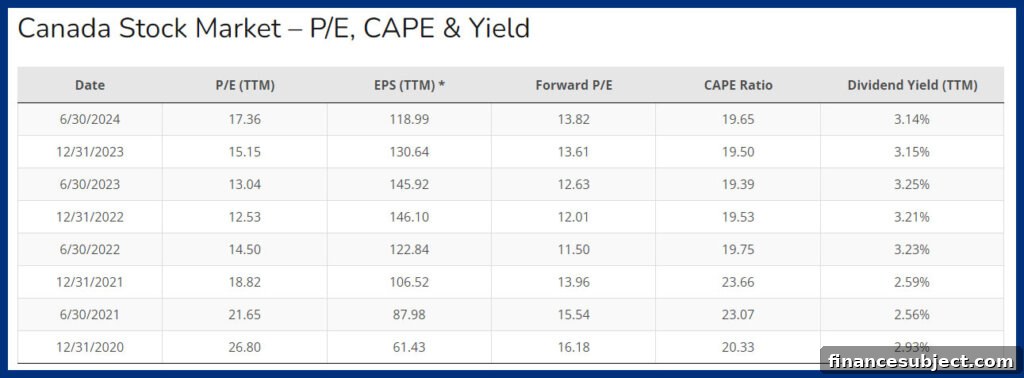
There’s a natural bias to think all-time highs are risky because you “bought at the top.” But markets frequently reach new highs over long cycles. Historical data for major U.S. indices shows thousands of new highs since the mid-20th century, and research indicates investing at or near all-time highs has still produced solid long-term results. The Canadian market tells a similar story: the TSX yields around 3% and its forward price-to-earnings ratio remains lower than during previous expensive market periods.
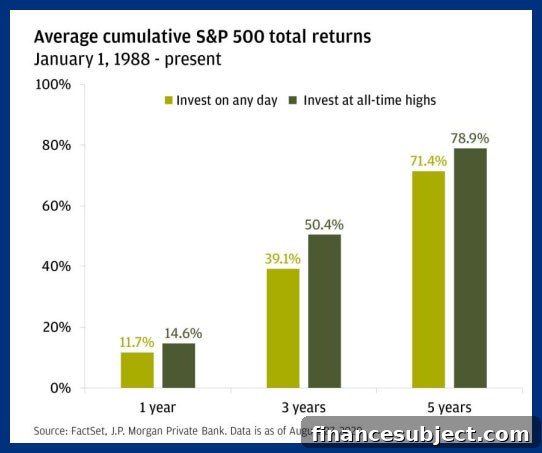
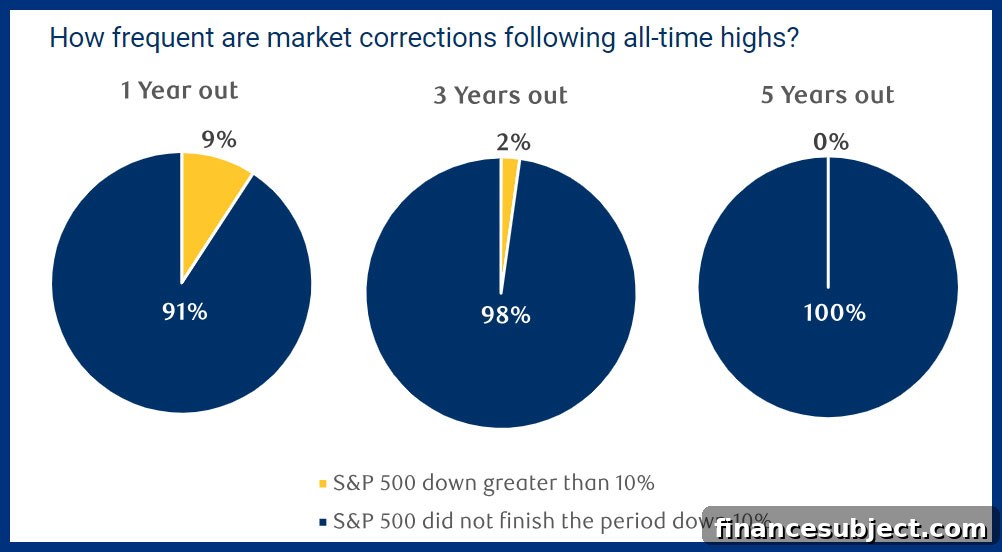
For long-term investors the key remains discipline: diversify, maintain a time horizon, and avoid trying to perfectly time entry points. New highs are not a reliable signal to sell or to avoid investing—consistent contributions and exposure to a diversified mix of assets tend to be the most dependable path to achieving retirement and financial goals.
Further reading about investing
- Best ETFs in Canada
- Considerations for U.S. equity ETFs and low-fee alternatives
- How to buy your first stocks in Canada
- Capital gains tax basics and common investor questions