
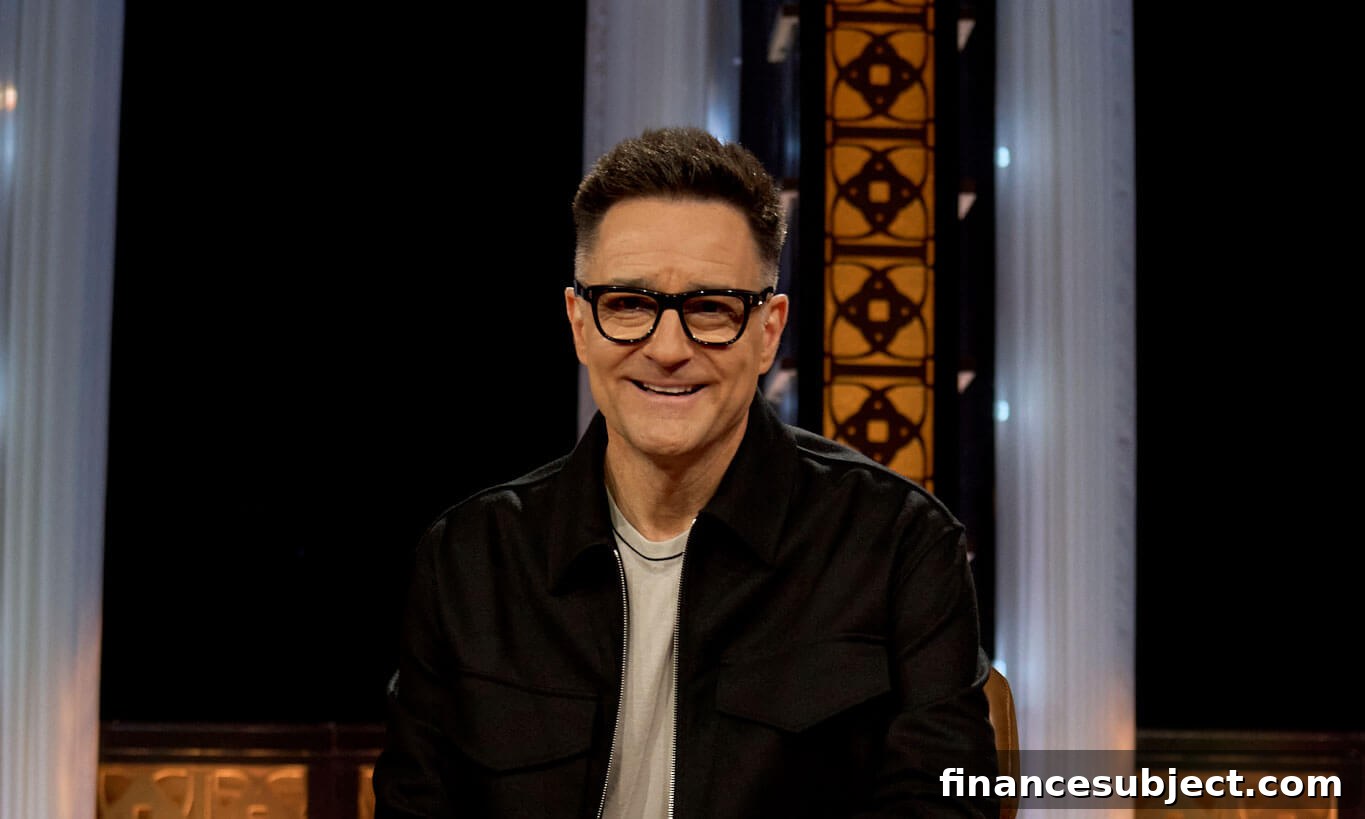
Brian Scudamore says he’s frugal by nature and finds meaning in people, experiences and even the things others discard. That instinct to see value where others see rubbish helped him turn a small business he launched at 18 into a franchise and commercial removal company valued at $700 million. We spoke with him for his My MoneySense profile as his first season on Dragon’s Den launched (September 26, 2024). In this interview he talks about intentional spending, the benefits of frugality, and a recent memorable splurge.
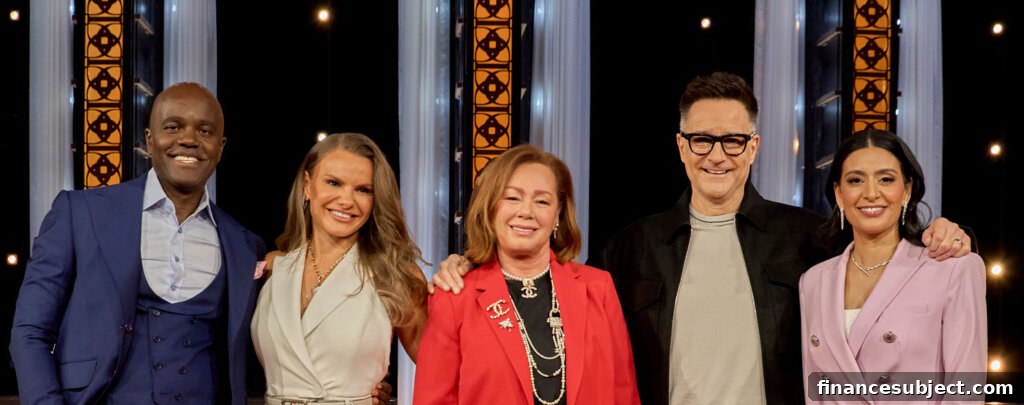
Who is your money hero?
One of my fellow dragons, Wes Hall, has been a real inspiration. We got to know each other a bit during filming this year. He spends differently than I do—he enjoys luxury cars and a large home—yet what stands out most is how he prioritizes giving. Wes puts charity first and cares for others before himself. He grew up in Jamaica with very little and he consistently uses his success to help people. That, to me, is the purpose of money.
Newsletter
Get free MoneySense financial tips, news & advice in your inbox.
How do you like to spend your free time?
I love to travel and to eat well. This summer my family and I went to France—Paris was our base. We enjoyed meals with friends, practiced some French, and visited Cap Ferret south of Bordeaux, a charming coastal peninsula. We spent time in Lille to watch Olympic basketball, toured Bordeaux’s wineries, and simply soaked up the country. These trips combine everything I enjoy: family, friends, food and new places.
What’s your first memory about money?
My father, a liver transplant surgeon, wasn’t a businessman, but he taught me to be purposeful with money. As a child I had to write thank-you notes for money I received from relatives and explain how I would use it. He urged me to save for education, and though I later dropped out of high school and university, those lessons about saving and intentional spending stuck with me.
One clear early memory is saving my life savings at eight years old to buy a brand-new bike. A few days later I added a large basket to make newspaper deliveries easier. I treated that bike as an investment and it taught me that money is most useful when it’s put to work.
There’s a frugal streak in me that constantly questions whether I really need something. I wouldn’t buy a Ferrari, but I might rent one for a day on the Italian coast—experiences over ownership.
If money were no object, what would you be doing right now?
Honestly, nothing would change much. I already have my dream work: mentoring entrepreneurs, building businesses and creating opportunities for others. Being on Dragon’s Den allows me to share what I’ve learned and help others grow. Beyond business, money gives me freedom to travel and spend time with family and friends, and that’s what matters most.
What was your first job, and what did you do with your first paycheque?
My first job was a paper route. I used my first paycheque—$100 at the time—to buy that bike. At the time it felt like a big purchase, and the basket I later added helped me earn more by making deliveries more efficient.
What’s the biggest money lesson you learned as an adult?
When you run a business, pay your people first. I remember being 24 and nearly out of cash; I had paycheques tucked away that I couldn’t cash. If I’d prioritized paying myself over employees, I could have lost talent or even bankrupted the company. The lesson: your team depends on you, and honoring payroll must come before personal payouts.
What’s the best money advice you’ve ever received?
My dad gave me the best guidance: only invest what you can afford to lose. I learned that the hard way at 19, when I invested $1,500 in a gold stock while working at a coffee shop—and lost it all. That experience reinforced cautious, intentional investing.
What’s the worst money advice you’ve ever received?
Early on, a president at my company urged me to raise capital to save 1-800-Got-Junk. I resisted that direction, ultimately parting ways with that executive when it became clear we didn’t share the same vision. Had I followed that advice, I might have lost control of the business. So while some advisors are smart, you still need to trust your own judgment.
Would you rather receive a large sum of money all at once, or smaller amounts regularly for life?
I prefer a lump sum. Receiving a large amount at once gives me control to invest, allocate and direct funds where I see the greatest need or impact, rather than having someone else dictate how it’s used over time.
What is the most underrated financial advice?
Build a rainy-day fund. A meaningful emergency buffer protects you when plans go sideways. I don’t follow a rigid percentage rule, but your reserve should be large enough to shield you from significant unexpected setbacks.
What is the biggest misconception people have about growing money?
Many people overestimate how much happiness money will buy. Of course money alleviates stress by paying bills and providing security, but beyond a certain point, more wealth doesn’t translate into more happiness. It’s important to enjoy the process of earning and spending, not postpone joy until some future milestone.
Do you have a money regret?
I don’t dwell on regrets. Every mistake or tough choice has been a learning opportunity that shaped how I run my business and live my life.
What does the word value mean to you?
Value means meaning. I say, “Make meaning, not just money.” I measure success by how we impact employees, franchisees and customers. Value is the difference we make in someone’s life—the memories created around dinners and trips—not the souvenirs we bring home.
What was the first major purchase you made as an adult?
When I was 24, I bought a house in Vancouver. By then, the business I’d been building for five years had begun providing steady income for my family. That purchase felt like a major milestone.
What is your take on debt?
I try to avoid excessive debt. Growing my business organically meant slower growth—eight years to reach $1 million in sales—but it kept spending intentional and cautious. Debt can accelerate growth, but it can also reduce the discipline that frugality brings to decision-making.
What was your most recent splurge?
We rented a seaside Airbnb in Greece for a week and invited two other families. Hosting that trip—swimming in the Mediterranean, enjoying Greek salads and local wine—felt like a meaningful splurge. Those shared experiences are what money should create: lasting memories.
What’s the last money related book that you read?
I’m more of a book buyer than a devoted reader—my wife reads more—but I’ve been skimming The Art of Focus by Dan Koe. It’s not a finance book, but focus is integral to how you save, spend and direct your resources toward meaningful goals.
What is something you always have in your wallet?
An AirTag. I travel a lot and being able to locate my wallet quickly gives me peace of mind.
What’s your favorite possession?
My iPhone. It keeps me connected to family, friends and the information I need—FaceTime, messages, search—so it feels indispensable.
Quick money questions
Rent or own?
Own.
Buy or lease?
Buy.
Save or invest?
Invest.
Budget or not?
Budget.
Read more My MoneySense profiles:
- Saving on purchases and for emergency funds, Canada’s extreme couponer shares her secrets
- Why actor Isabel Kanaan says overnight success and wealth are similar
- Allan Small on his glass-half-full view of the markets and managing risk
- Chris Guillebeau onGonzo Capitalism,his $100,000 side hustle, and why average isn’t good enough