

Canada’s annual inflation rate eased to 2.0% in the most recent month, bringing it back to the Bank of Canada’s 2% target after a prolonged period of elevated price growth. The drop from 2.5% in July marks the lowest year-over-year reading since February 2021, reflecting a notable cooling in consumer prices across several categories.
What is causing the inflation rate right now?
Statistics Canada’s consumer price index pointed to several factors behind the slowdown. Falling gasoline prices contributed directly to lower headline inflation, while retailers offered deeper discounts on clothing and footwear, producing the first month-over-month decline in apparel prices for August since 1971. That pullback suggests weaker demand in some sectors and increased promotional activity as stores clear inventory.
Beyond those headline items, the slower pace of price increases also reflects the combined effects of recovering global supply chains and the dampening influence of higher borrowing costs. Together, these forces have eased the upward pressure on prices that was seen during the pandemic and the subsequent period of rapid inflation.
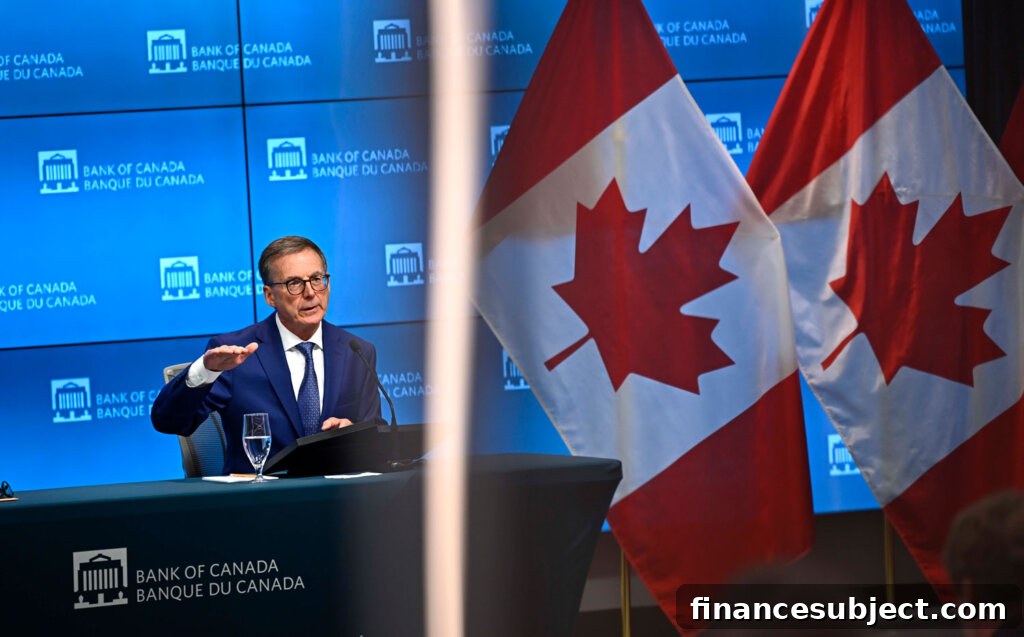
Will inflation impact interest rates and influence rate cuts?
Core measures of inflation used by the Bank of Canada, which remove volatile elements to better capture underlying trends, also eased in August. That softer profile was stronger than many forecasters expected and has already prompted renewed discussion about the timing and scale of future interest-rate reductions.
Economists and strategists are interpreting the data as tilting the balance toward earlier or larger cuts. CIBC senior economist Andrew Grantham suggested that with inflation appearing less threatening, the Bank of Canada should shift its emphasis toward supporting economic growth and addressing rising unemployment. Meanwhile, BMO’s Benjamin Reitzes noted that the latest numbers “tilt the scales” in favor of more aggressive easing, while acknowledging the central bank will consider one more inflation report before deciding at its October meeting.
Policy makers began a rapid series of rate increases in March 2022 in response to a surge in inflation that reached a peak of around 8.1% that summer. The central bank pushed its policy rate to 5% and kept it there until mid-2024, when it implemented the first cut in four years. The current policy rate stands at 4.25%. Bank officials have said they remain prepared to adjust the size of future cuts depending on how inflation and the economy evolve.
Lower inflation readings can increase the likelihood of meaningful rate reductions, which in turn would affect mortgage rates, borrowing costs for businesses and consumers, and the broader economic outlook. Analysts have offered a range of scenarios: some expect a gradual sequence of smaller cuts, while others argue that an unexpectedly large slowdown in inflation could prompt the central bank to tighten the pace of easing to limit downside risks to the currency and financial stability.
What this means for consumers and markets
For households, a sustained drop in inflation can mean more predictable prices and a slower erosion of purchasing power, especially for essentials such as fuel and clothing when prices stabilize. If the Bank of Canada responds by cutting interest rates, borrowers could benefit from lower mortgage and loan rates over time. However, the effects on savers and certain fixed-income investments could be less favorable if rate cuts reduce returns on cash and short-term instruments.
Businesses may see both relief and challenges: input costs may rise more slowly, but weaker demand in some categories could pressure revenues. The labour market will be a key watchpoint—policymakers will weigh inflation trends alongside employment and wage growth when deciding the pace of future rate moves.
Further reading
- How the Bank of Canada’s benchmark rate affects household finances and borrowing costs
- What Canada’s inflation rate means for long-term investors and portfolio planning
- Economic indicators to watch that could influence the risk of recession or a slowdown