

Having a low credit score doesn’t mean you can’t get a credit card. You may need to focus on eligibility and consider a secured card to rebuild credit. Below are practical options — mainly secured cards that are easier to qualify for, plus a few unsecured alternatives that often accept applicants with limited credit history, such as students and newcomers.
The best credit cards for bad credit in Canada
Whether you missed a payment, are new to Canada, or haven’t built a credit history, lenders will look for signs that you’ll handle credit responsibly. The cards featured here are designed to be accessible and to help you establish or improve your credit when used responsibly.
Home Trust Secured Visa Card
GO TO SITE
Secured Neo Mastercard
GO TO SITE
Scotiabank Momentum No-Fee VISA Card
GO TO SITE
Gold: Capital One Guaranteed Secured Mastercard
Card type: Secured
Minimum credit score: N/A
Minimum income required: N/A
The Capital One Guaranteed Secured Mastercard is intended for applicants who meet basic eligibility requirements such as being of age in their province and not having recent Capital One account issues. With a required security deposit and guaranteed approval under those conditions, it’s a practical card for building credit. It also includes some travel-related protections.
Card details
| Interest rates | 21.9% to 29.9% on purchases, cash advances and balance transfers |
| Income required | None specified |
| Credit score | None specified |
Pros
- No annual fee
- Guaranteed approval if basic eligibility requirements are met
- Some travel benefits such as common-carrier accident coverage and car rental CDW/LDW
Cons
- No rewards program
- High purchase interest rate if you carry a balance
Silver: Secured Neo Mastercard
Card type: Secured
Minimum credit score: N/A
Minimum income required: N/A
Neo’s secured product offers instant approval and cashback opportunities, including higher rewards at partner merchants. You can also add optional subscription “Bundles” to enhance rewards or get extra perks, though these add to the monthly cost.
Card details
| Interest rates | 19.99% to 29.99% on purchases (rates may vary by province) and 22.99% to 31.99% on cash advances |
| Income required | None |
| Credit score | None |
Pros
- Customizable Bundles for tailored rewards
- Unlimited cashback potential
- Guaranteed approval with security deposit
Cons
- Best rewards require shopping with partners
- Few benefits without paying for Bundles
Bronze: Home Trust Secured Visa
Card type: Secured
Minimum credit score: 300
Minimum income required: N/A
Home Trust offers flexibility: you select your deposit (typically $500 to $10,000) to set your limit and can choose between a no-fee option with a higher interest rate or a paid option with a lower rate. Home Trust reports payments to credit bureaus, making this a useful tool for rebuilding credit.
Card details
| Interest rates | 19.99% on purchases and 19.99% on cash advances |
| Income required | None specified |
| Credit score | 300 or higher |
Pros
- No annual fee option or a $59 option for a lower interest rate
- Issued by a bank, with protection for your security deposit
Cons
- $500 minimum security deposit
- No rewards
- Not available to residents of Quebec
How we determine the best cards
We reviewed factors that matter most for applicants with poor credit: likelihood of approval, income requirements, annual fees, interest rates and any welcome offers. Cards targeted to those rebuilding credit — typically secured cards — were prioritized for ease of approval and the ability to report payment history to credit bureaus.
Other credit cards to consider
You may also qualify for unsecured cards even with a limited credit history. Below are a few options with lower barriers or specific categories that can fit certain applicants:
| Credit card | Annual fee | Recommended income | Apply |
|---|---|---|---|
| Scotiabank Momentum No-Fee Visa | $0 | $12,000 per year | Apply now |
| BMO CashBack Mastercard | $0 | $15,000 per year | Apply now |
| PC Mastercard | $0 | None specified | Apply now |
| CIBC Aeroplan Visa Card for Students | $0 | None specified | Not available |
Unsecured card highlights
Unsecured cards like the Scotia Momentum No-Fee Visa, BMO CashBack Mastercard and PC Mastercard can be suitable if you have some credit history or a steady income. They typically offer cash back or points and no annual fee, but often require higher credit scores and stable income.
How credit cards help you build credit
Your payment history is the single most important factor in your credit score. Timely payments — at least the minimum on time each month — and keeping balances low compared to your limit improve your score. Ideally, pay your balance in full each month to avoid interest charges. If you anticipate difficulty paying, contact your issuer to discuss options rather than missing payments.
What is a credit utilization ratio?
Credit utilization ratio measures how much of your available credit you’re using, typically shown as a percentage. Lower utilization signals to lenders that you rely less on credit and can help your score.
3 types of cards for rebuilding credit
- Secured cards: Require a security deposit that typically sets your credit limit. They’re easier to qualify for and issuers report activity to credit bureaus.
- Unsecured cards: Standard credit cards that usually need a stronger credit score and/or income. If approved, they provide a regular credit limit without a deposit.
- Credit builder products: Alternative programs or prepaid solutions that report to a credit bureau and can help add positive payment history when used as intended.
An additional option is becoming an authorized user on someone else’s account; responsible use can help your score, but their account activity also affects you.
How to improve your approval odds
- Check your credit report: Fix errors and know your score before applying.
- Apply for cards built for low-credit applicants: These typically have lower requirements or accept secured deposits.
- Show steady income and lower debt: Lenders favor stable finances and low existing balances.
- Limit applications: Multiple hard inquiries can temporarily lower your score.
- Pay down existing debt: Lower balances improve your utilization and approval chances.
FAQs
Secured cards — such as the Capital One Guaranteed Secured Mastercard — are generally the easiest to qualify for, because approval is typically based on a security deposit and basic eligibility.
It can be possible, but issuers set the credit limit. Many secured cards start with lower limits that can increase over time with responsible use.
No card can legally guarantee approval in every situation, but secured cards provide much higher approval odds because the deposit reduces the issuer’s risk.
Most credit cards involve a credit check. Prepaid cards don’t check credit because they are not credit products, while secured and some no-credit-check products may have relaxed checks.
User feedback and real-life tips
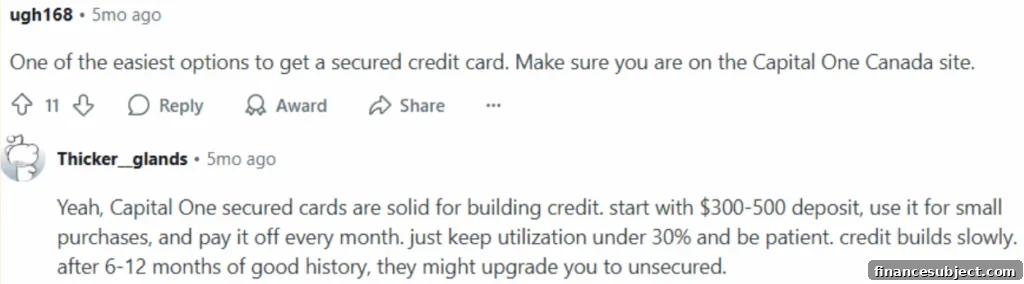
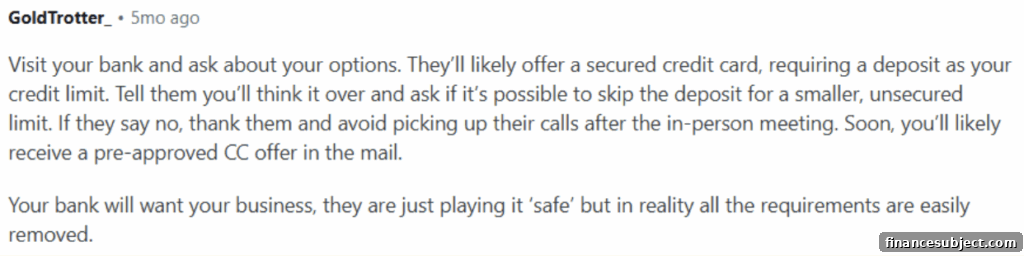
Community discussions and user reviews often point to secured cards like the Capital One and Home Trust options as reliable starting points. The key takeaway from users is consistent, on-time payments and low utilization — those behaviors matter more than the specific card you pick.
Choosing the right card depends on your goals: rebuild credit, earn modest rewards, or balance cost and interest. Use a secured card responsibly and you can steadily improve your credit profile.