
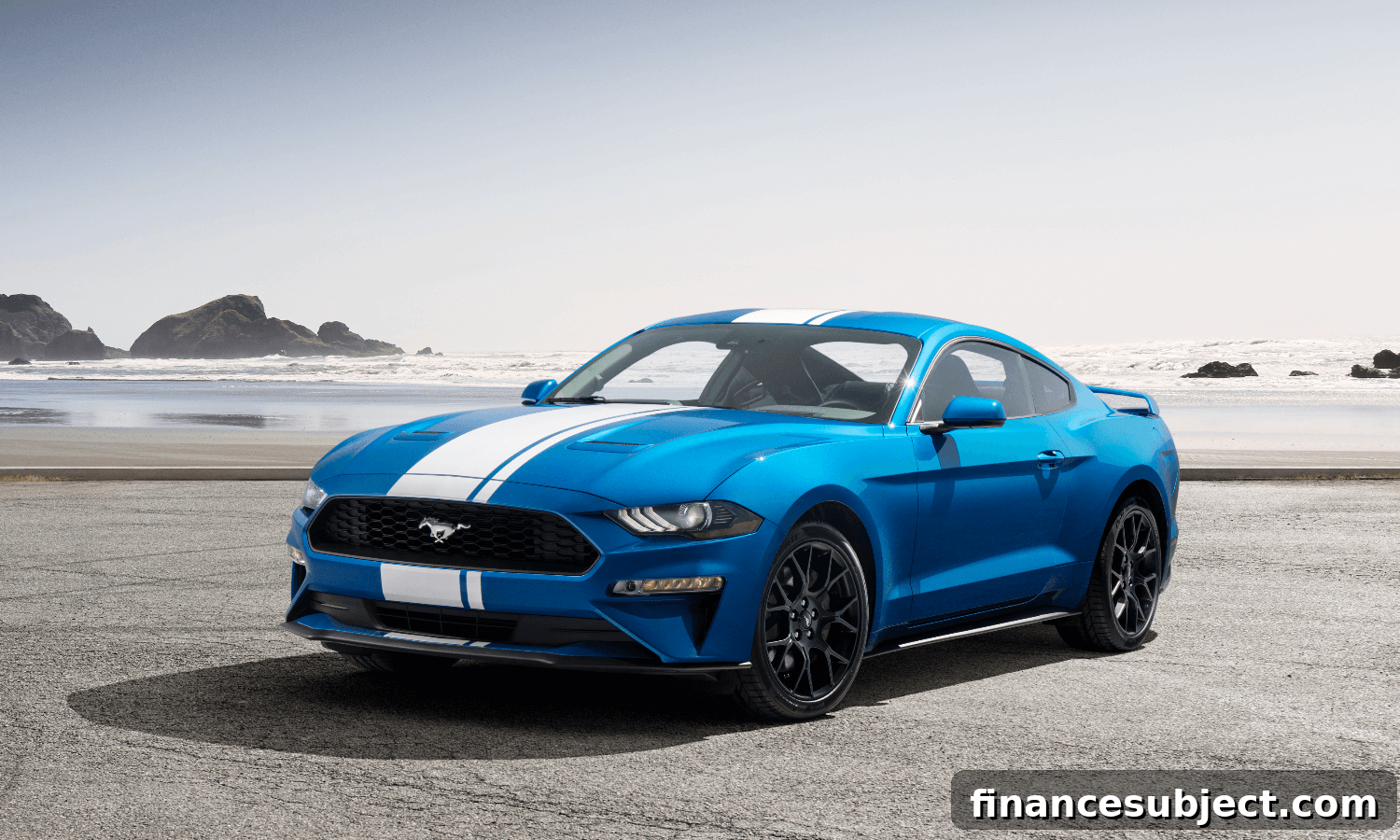
Shoppers looking for a used sports car face many choices, which can make deciding difficult. Buying a pre-owned performance car brings its own set of considerations—from mechanical wear to insurance and fuel costs. Based on hands-on testing and practical experience, the two models most often recommended for value, reliability and driving enjoyment are the Subaru WRX and the Ford Mustang. Below are concise, practical tips to help you find the best used sports car for your money.
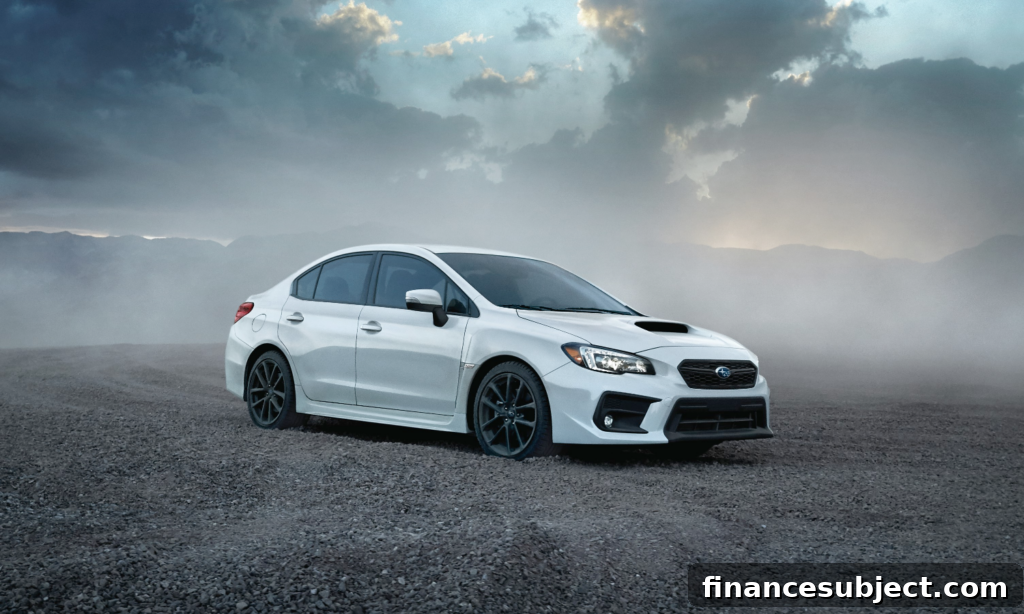
The year-round choice: Subaru WRX
The Subaru WRX has long been a standout affordable sports sedan. Built on the Impreza platform, the WRX pairs a turbocharged boxer engine with Subaru’s signature all-wheel-drive system to deliver spirited performance and exceptional traction in poor weather. That combination makes the WRX a true year-round sports car—less likely to spend winters tucked away in storage and more likely to give you driving enjoyment across all seasons.
All-wheel drive gives the WRX SUV-like traction in rain and snow while its chassis and steering sharpen the driving experience in fair weather. That balance of capability and everyday usability helps the WRX retain value and makes it a compelling buy for those who want an engaging car they can drive year-round.
What to look for in a used Subaru WRX
The most recent generation covered model years roughly from 2015 to 2021. Aim for 2018 or newer when possible, as Subaru applied mid-cycle updates that improved the interior, exterior, instrument cluster, lighting and steering feel. Those updates also included retuning of the clutch, suspension and shifter to give a more refined driving experience.
Important checks:
- Avoid cars that show evidence of non-factory engine or drivetrain modifications. Even if aftermarket parts have been removed, modifications can cause hidden wear or damage not protected by warranty.
- Expect to replace tires and brakes on many used examples unless maintenance records show recent service.
- If the car has a manual transmission, listen closely for clutch chatter, slipping or unusual vibrations during a test drive—these can indicate imminent repairs.
- For CVT-equipped WRXs, verify that transmission service has been performed at the correct intervals. Neglected servicing can reduce the life of the transmission.
Costs to consider include higher fuel and insurance expenses compared with a standard Impreza, but the WRX’s traction, performance and year-round usability often justify the extra spend for buyers who value driving dynamics.
Example: 2020 Subaru WRX 6-MT specifications
- Price (new): From $29,995
- Body type: Sedan
- Powertrain layout: All-wheel drive
- Engine: 2.0-litre turbo flat-four
- Horsepower: 268
- Torque (lb-ft): 258
- Transmission: CVT / 6MT
- Curb weight: 1,567 kg (3,454 lb)
- Fuel economy (combined): Approx. 10.4 L/100 km (NRCan) / 19 MPG (EPA)
Sample insurance cost estimates for a used Subaru WRX
Insurance quotes vary by age, location, driving history and coverage levels. The figures below are illustrative monthly estimates for a 2020 Subaru WRX 4DR AWD for a driver living in a large urban center with a clean record:
- Female, age 35: Approx. $174/month
- Male, age 35: Approx. $175/month
- Non-binary, age 35: Approx. $174/month
These are sample estimates for comparison only. Actual premiums depend on your insurer, coverage choices, deductibles and discounts.
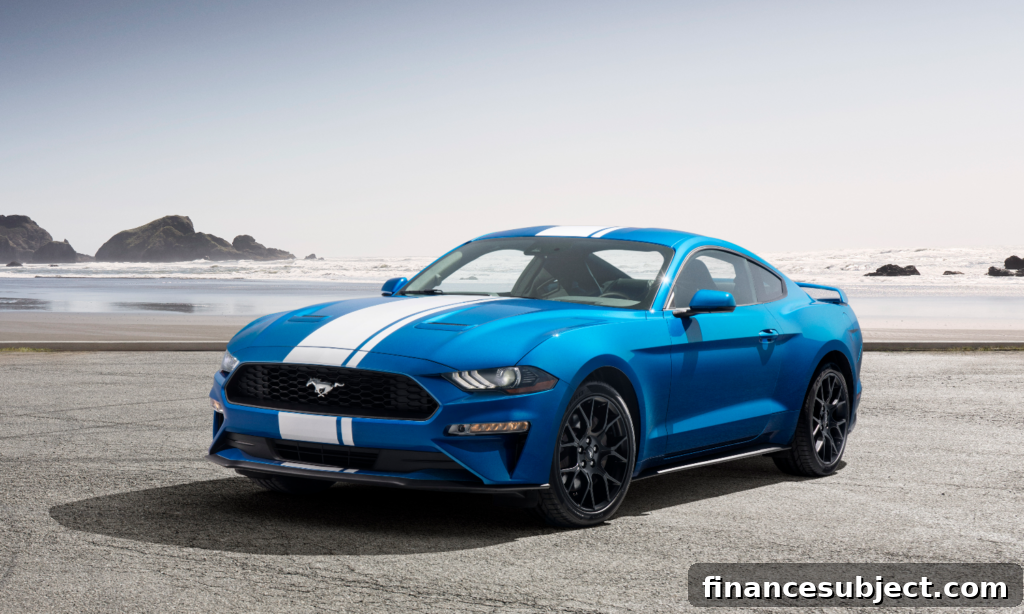
The seasonal choice: Ford Mustang
Some buyers prefer a sports car that’s reserved for sunny days, weekend drives and careful storage between outings. If that describes you, the Ford Mustang—especially the sixth-generation models produced from 2015 through 2023—offers a wide range of versions, from efficient turbocharged four-cylinders to the raucous 5.0-litre “Coyote” V8.
The sixth-generation Mustang improved performance, interior refinement and efficiency compared to earlier models. It is available as a coupe or convertible, and buyers can choose from economical EcoBoost engines to high-revving V8s that deliver strong power and character. The manual transmissions in many Mustangs provide an engaging driving experience, and dealer support and parts availability are both strong advantages for long-term ownership.
What to look for in a used Ford Mustang
To get the most reliable ownership experience, seek an unmodified, factory-stock example. Modifications to engine management or drivetrain components can lead to reliability issues and void any remaining warranties.
Key inspection points:
- Have a pro check the tires, brakes, battery and all fluid levels and ages—plan for replacements if any items are near the end of their useful life.
- On convertible models, carefully inspect the soft top for rips, wear, or mechanical problems with the opening and closing mechanism. Operate the roof multiple times during a test drive and listen for unusual noises or error messages.
- If the car will sit for extended periods, use a battery maintainer to prevent a drained battery and extend battery life.
A well-maintained late-model sixth-generation Mustang offers modern tech, strong performance and a broad choice of configurations so you can match the car to your preferred driving style and budget.
Example: 2020 Ford Mustang EcoBoost specifications
- Price (new): From $31,080
- Body type: Coupe/convertible
- Powertrain layout: Rear-wheel drive
- Engine: 2.3-litre turbo inline-4
- Horsepower: 310
- Torque (lb-ft): 350
- Transmission: 6-speed manual / 10-speed automatic
- Curb weight: 1,681 kg (3,706 lb)
- Fuel economy (combined): Approx. 9.4 L/100 km (NRCan) / 25 MPG (EPA)
Sample insurance cost estimates for a used Ford Mustang EcoBoost
Below are illustrative monthly insurance estimates for a 2020 Ford Mustang 2DR for a driver with a clean record living in a major city:
- Female, age 35: Approx. $191/month
- Male, age 35: Approx. $193/month
- Non-binary, age 35: Approx. $191/month
Actual costs will vary with insurer, coverage choices and individual risk factors; use these figures only as a baseline for budgeting.
Final buying tips
- Always obtain a vehicle history report and service records where available.
- Have any prospective purchase inspected by a trusted technician who understands performance cars; issues can be subtle but costly.
- Budget for routine maintenance and consumables—tires, brakes, fluids and, for older cars, items like suspension bushings and engine mounts.
- Factor in higher fuel and insurance costs for performance models when comparing total ownership expense.
- When possible, prioritize unmodified, well-documented examples with clear maintenance histories.
More about autos:
- Best used cars in Canada
- Best EVs in Canada
- Why car insurance premiums are rising and what you can do
- Tips for buying your first car from a salesperson’s perspective
- How car repair shops bill for services