
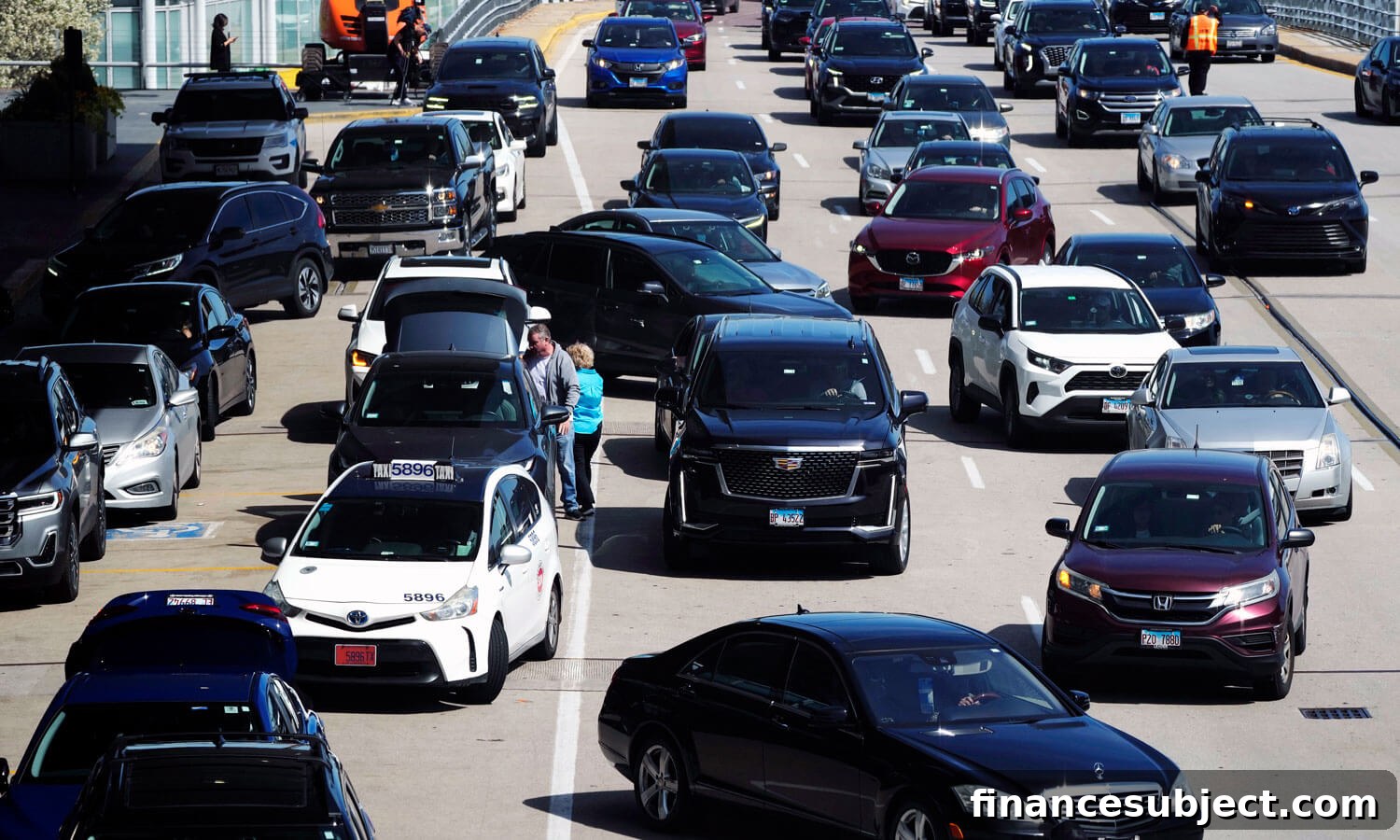
Soaring auto insurance rates are putting pressure on motorists and adding to overall inflationary concerns. In March, American auto insurance prices rose 2.6%, and they are up about 22% compared with a year earlier. Premiums have climbed steadily since 2022, even as consumer inflation eased from its mid-2022 peak of 9.1%.
Many U.S. households have benefited from slower price growth for essentials such as food and energy, but car insurance and the broader cost of vehicle ownership remain a persistent burden for consumers and a factor the Federal Reserve watches as it pursues its 2% inflation target.
Newsletter
Get free MoneySense financial tips, news & advice in your inbox.
Are you seeing an increase in your car insurance premiums?
An obvious cause for an individual premium jump can be moving violations such as speeding tickets, or adding a new, inexperienced driver to the policy. Local spikes in crash frequency or claims also raise costs for everyone in a region. But the broader pattern of rising premiums over the last two years reflects larger market forces.
During the pandemic, new-car prices climbed dramatically due to a global semiconductor shortage, production cuts and supply-chain bottlenecks. Many dealerships reported limited inventory through much of 2021 and into 2022, which pushed up average vehicle values. By January 2024 the average new-vehicle price had eased to about $47,338 from a late-2022 peak near $48,516, but prices remain elevated compared with pre-pandemic levels.
Higher vehicle values and the growing complexity of modern cars—more sensors, cameras and advanced driver-assistance systems—have increased repair costs. The U.S. Bureau of Labor Statistics reported that maintenance and repair costs rose 8.2% in March from a year earlier, following even larger increases in 2022 and early 2023. Those higher repair bills translate directly into higher claim payments for insurers, which in turn push premiums upward.
“The severity is really the thing that has influenced rates more over the last two years than anything,” said Greg Smolan, vice president of insurance operations at AAA Northeast. “A fender bender in the past didn’t have all the sensors and cameras.”
What’s causing car insurance to rise?
Insurers base premiums on expected claim costs. When the average vehicle price rises and repair bills grow, insurers must adjust their pricing to remain solvent. Unlike some consumer prices that fall as supply recovers, insurance rates tend to be “sticky” and may not drop as quickly as broader inflation. That lag can make premium relief slower even when other costs stabilize.
Insurers have also adjusted pricing to address profitability after several years of losses in certain markets. Premium increases are a response to higher claim severity, greater replacement costs for newer vehicles, and shifting risk patterns such as increased traffic or claim frequency in some regions.
As carriers look to ensure rate adequacy, they review underwriting standards, adjust rate tiers and refine how they price specific risk factors like vehicle model, driving history and local claims trends. That process can produce uneven price changes across geographies and policyholders.
Are insurance companies profiting from rising costs?
Higher premiums and rate adjustments have bolstered some insurers’ earnings. Major firms reported stronger results after raising rates and tightening underwriting. Industry executives have said their focus in recent years was to secure appropriate pricing, and analysts expect continued profit growth if rate adequacy holds and loss trends moderate.
Greg Smolan observes that as companies approach adequate rates, the pattern of large increases may start to slow. Consumers may see more modest premium changes going forward if insurers judge that past increases have compensated for the spike in claim severity.
Shopping for the right coverage remains important. Insurance can be confusing because requirements and options vary by state, and industry language can feel technical. The Insurance Information Institute recommends that drivers become familiar with key coverages and policy features before buying, to avoid coverage gaps or unnecessary expenses.
Resource highlight
Compare car insurance quotes and save
Compare personalized auto insurance quotes from multiple providers to find the best rate for your situation.
Powered by rate comparison services
How to get the best auto insurance rate
Price-shopping remains the most effective way to lower your premiums. Get at least three quotes from different carriers, including a mix of national insurers, regional companies and any reputable local providers. Comparing insurance costs before you buy a car can also reveal whether a specific make and model will be reasonably affordable to insure, since premiums factor in vehicle price, repair costs and safety ratings.
Deductible selection matters: a higher collision or comprehensive deductible typically lowers your monthly premium, but it increases the amount you must pay out of pocket in the event of a claim. Balance premium savings against your ability to cover a larger deductible if an accident occurs.
Bundling policies—combining auto and home insurance with the same carrier—often produces a discount. Many insurers also offer multi-vehicle discounts and loyalty reductions. Defensive driving courses, available in-person or online in many states, can qualify drivers for additional savings; insurers such as Progressive and Geico may honor multi-year discounts for certificate holders.
Other ways to reduce premiums include maintaining a clean driving record, asking about available discounts (for safety features, low mileage, good student performance or professional affiliations), and periodically reviewing coverages to remove unnecessary extras as your needs change.
Read more about auto insurance:
- Your complete guide to getting the best car insurance in Canada
- 5 tips for saving money on insurance costs
- How much does it cost to insure an electric car?
- Are the costs of owning a car worth it for students?
- What does fire insurance on a vehicle actually cover?