
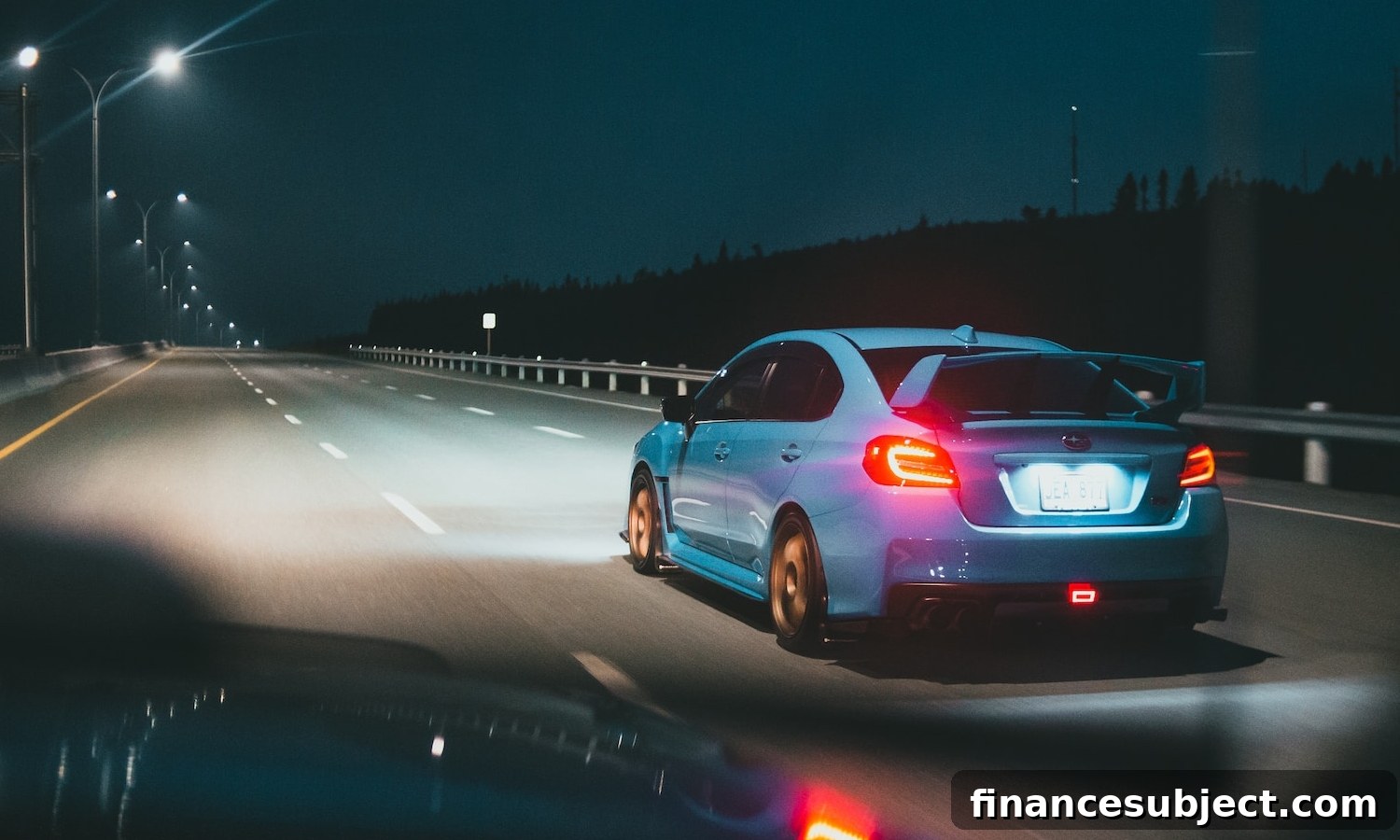
Car theft has existed as long as cars have been widespread, and despite advancements like keyless entry, stronger locks and louder alarms, Canada is facing a growing theft problem. The scale of losses has jumped dramatically: five years ago insurers in Ontario, Quebec, Alberta and the Atlantic provinces paid roughly $400 million in theft claims; by 2022 that number had climbed to $1.2 billion, a record high. Amanda Dean, interim vice president for the Insurance Bureau of Canada’s Ontario region, warns that this trend is unlikely to reverse quickly and that rising theft rates will continue to put upward pressure on auto insurance premiums for many drivers.
Higher theft rates mean higher claims costs, and insurers pass those costs on through premiums. However, experts say there are practical steps drivers can take to reduce the chances of their vehicle being targeted or stolen.
Why car theft is on the rise across Canada
Contrary to the idea that joyriders or casual opportunists are the main culprits, much of the recent increase in car theft is driven by organized crime groups using sophisticated methods. Bryan Gast, vice president of investigative services for Équité Association, explains two common techniques. A relay attack intercepts and extends the radio frequency signal from a key fob, tricking the car into thinking the owner is present; another method involves accessing the vehicle’s electronic diagnostic port—usually beneath the steering column—to program the car to accept a new key.
Stolen vehicles can be used in several ways: sold domestically, dismantled in “chop shops” for parts, supplied with false vehicle identification numbers (VINs) for criminal operations, or shipped abroad. Gast says many vehicles have been recovered overseas and efforts are ongoing to repatriate them. The payoff for organized theft rings is substantial, which helps explain why these operations persist and expand.
Experts point to a few contributing factors behind the recent surge. Anti-theft standards for many Canadian vehicles are outdated—the last major revision was in 2007, before keyless entry became common. At the same time, the rising value of vehicles makes them more lucrative targets: the average new car price reached $66,288 in June 2023, increasing the potential resale and parts value for thieves.
The most stolen cars in Canada
The models most frequently stolen are not always exotic or luxury vehicles. Trends vary by region—pickup trucks are a frequent target in Alberta, for example—but nationally several mainstream models show up repeatedly on theft lists. According to Équité Association, the Honda CR-V was the single most commonly stolen model in Canada last year, with the Ford F-150, Honda Civic, Toyota Highlander and the Lexus RX also among the most-targeted vehicles.
Even if your vehicle isn’t on the top-of-list models, you still bear some cost of the overall theft wave. As Amanda Dean notes, insurance operates on a shared-risk basis: claims by a few are funded by premiums paid by many.
How car theft is impacting auto insurance rates, especially in Ontario
Insurers use systems such as the Canadian Loss Experience Automobile Rating (CLEAR) to assess theft risk for specific vehicles, which helps determine premiums. But when thefts rise across a region, the impact spreads to many drivers. Ontario has been particularly affected: the province accounted for around $700 million in auto insurance theft claims in 2022, and average premiums there rose about 10% in 2023 compared with 2022, according to Ratehub.ca. The Financial Services Regulatory Authority of Ontario has approved rate increases for several insurers as they respond to higher claims costs.
Insurers are not simply choosing to raise rates; many are also pursuing loss-mitigation strategies. These include offering to cover the cost of professionally installed tracking devices, advising customers on prevention measures, and working with governments to address criminal networks behind vehicle theft. Dean stresses that meaningful improvement will require coordination across all levels of government and the private sector.
How to prevent car theft
While no vehicle is completely theft-proof, owners can significantly reduce the risk by layering several defenses. Visible deterrents such as steering wheel locks or pedal locks can discourage thieves looking for quick, easy targets. Locks that prevent access to the diagnostic port help block one of the most common reprogramming methods used by criminals.
Electronic measures also help. Immobilizers can prevent a vehicle from being started without the correct authorization, and GPS tracking devices increase the chances of recovery if a car is stolen—just be sure to have aftermarket devices installed professionally to avoid warranty issues. To combat relay attacks, many modern key fobs include a sleep mode that disables their signal when not in use; for fobs without that feature, using a Faraday pouch—a shielded container that blocks radio signals—can prevent interception.
Beyond devices, sensible parking choices strengthen protection. Park in a locked garage whenever possible; otherwise choose well-lit, busy areas. If multiple vehicles are parked, keep the most attractive targets surrounded by other vehicles or parked close to buildings to make stealthy access harder.
Gast recommends a “layered” approach: combine visual and mechanical locks, electronic immobilization or tracking, secure parking and signal-blocking storage for key fobs. Professional thieves target the path of least resistance; multiple countermeasures make a vehicle a less appealing target, increasing the chance a thief will move on to an easier one.
Read more about auto insurance:
- How much is insurance for a new driver in Ontario?
- What is comprehensive insurance and what does it cover?
- How much does it cost to insure an electric car?
- Everything you need to know about your car insurance deductible