

How to Cut Your Grocery Bill in Canada: Budgeting and Meal-Planning Tips
Welcome to MoneyFlex, a column about the financial pressures Canadians face today. Each month, journalist and editorial assistant Margaret Montgomery shares practical advice and expert insights to help you improve your money habits—starting with how to handle rising grocery costs.
At the grocery checkout I often hold my breath as the total climbs with each scanned item. Everyday staples like margarine and pasta seem to cost a lot more than they used to. You’re not imagining it: many common grocery items have seen notable month-over-month price increases, and grocery bills overall have risen significantly for many Canadians.
How much do Canadians spend on groceries?
According to Canada’s Food Price Report for 2023, a typical family of four can expect to spend more than $16,000 on food this year—that works out to roughly $1,357 per month. That total is considerably higher than last year. Food inflation peaked in 2022 and, although it has eased since then, grocery prices in many categories remain well above pre-pandemic levels.
The Consumer Price Index recorded a high inflation rate in mid-2022, and food prices experienced fast year-over-year growth in late 2022. While inflation has declined from its peak, Statistics Canada data show grocery prices remain elevated compared with last year. Factors such as higher fuel costs, labour shortages and supply-chain disruptions have all helped push up food prices. In addition, limited competition in some regions has allowed major grocers to increase margins, which can keep prices higher at the checkout.
Real experiences and coping strategies
Many Canadians are responding to higher food prices by changing how they shop. Recent surveys found a majority are looking for coupons, buying more store brands, or cutting back on grocery shopping altogether. Alarmingly, some households are reducing portion sizes or skipping meals as a direct response to rising costs.
How to budget for groceries
Budgeting is essential to avoid dipping into funds meant for bills or emergency savings. A budget doesn’t need to be complicated. The most useful budgets simply separate must-pay items (rent, utilities, debt payments) from flexible spending (groceries, gas, takeout).
Financial planners often advise grouping day-to-day spending together. If you set a weekly spending limit for everything non-essential—including groceries and takeout—you give yourself flexibility while keeping control. If you eat out more one week, your grocery allowance can be reduced, and vice versa.
A practical method some people use is “cash stuffing”: after allocating funds for mandatory expenses, they withdraw the remaining discretionary amount in cash and divide it into envelopes or labeled binder pockets for groceries, transport and entertainment. This approach helps make spending tangible and limits overspending. If you prefer digital methods, using separate bank accounts or cards for bills, savings and daily spending can provide the same clarity without cash.
For example, you might have your salary deposited to a chequing account for fixed expenses, transfer a set amount to a high-interest savings account for emergencies and planned purchases, and use the remaining balance in the chequing account for weekly spending. If you use a credit card for groceries, make sure you pay the balance in full each month to avoid interest and to actually benefit from rewards.
Meal planning and smarter shopping
Two essential ingredients for lowering your grocery bill are planning and realism. Plan a few meals each week so you avoid last-minute takeout and overbuying. Be realistic about how much cooking you’ll do: if you know you’ll only cook three nights a week, plan three meals and allow for convenient, inexpensive backup options.
- Decide which meals you’ll prepare that week. Keep it achievable to avoid burnout.
- Check your pantry and fridge to use what you already have—leftover rice, pasta or canned goods can form the base of inexpensive meals.
- Make a shopping list for only what you need and stick to it.
Keep a few reliable freezer items on hand—frozen vegetables, chicken, fish or plant-based proteins are convenient, nutritious and reduce the temptation to order takeout. Freezing leftovers or half-used sauces also extends food life and reduces waste.
Buying in bulk—when it makes sense
Buying bulk items can lower your per-unit cost and reduce packaging waste, but only when you can use the product before it spoils. Staples like oats, nuts and dried legumes often make great bulk purchases because they store well. For larger items from warehouse stores, consider splitting the purchase with a friend or family member to avoid waste and to share savings.
Compare price per unit, not unit price alone
Products displayed with different package sizes or brands can be misleading. Look for the price per weight or volume—often shown on the shelf label—as it gives a true apples-to-apples comparison. This helps you spot better deals quickly without doing complex math in the aisle.
Additional practical ways to save on groceries
- Buy produce that’s in season; when fruit and vegetables are out of season, frozen produce is often cheaper and just as nutritious.
- Freeze leftovers and partially used items like half a jar of tomato sauce for later use—proper storage extends shelf life and cuts waste.
- Use flyer and deal-comparison apps to find current discounts at nearby stores, and sign up for store loyalty programs to claim targeted offers and digital coupons.
- Embrace minimalism in the kitchen: buy what you need, prioritize items with longer shelf lives and plan meals to use what’s already on hand.
- Cook from scratch more often: pre-prepared and processed foods typically cost more per serving than home-cooked alternatives—grating a block of cheese yourself, for example, is usually cheaper than buying pre-shredded cheese.
- Earn rewards from grocery and cash-back programs if you can pay off your card each month; these programs can reduce your net spending over time.
- Try meal-kit subscriptions as a temporary tool if you find they save you from frequent takeout. Introductory offers can make the first few weeks affordable, and the predictable cost and reduced food waste can help you budget better.
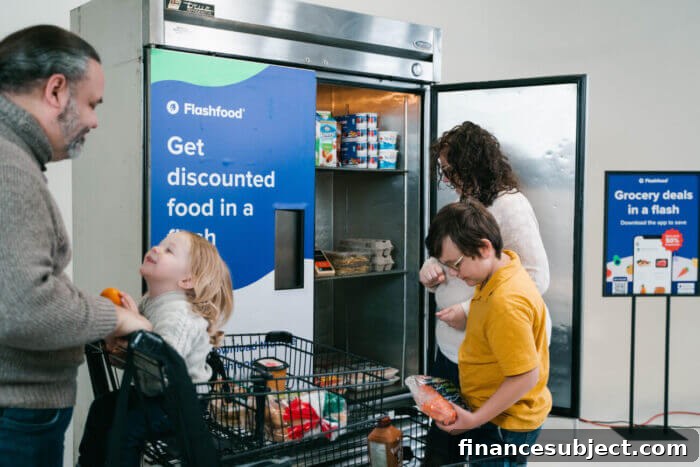
- Use food-rescue apps that sell near-expiry items at a discount. These apps let you buy perfectly good food at lower prices while helping reduce waste.
Featured cards and rewards (overview)

High cash-back rates on groceries, recurring bills and transit can add up if you pay the balance in full each month.

No annual fee and grocery rewards can make this an efficient everyday card for families on a budget.

Premium points on groceries and dining that can be redeemed for travel if you maintain disciplined repayment habits.
Final thoughts
This year I’m committed to planning meals before I build my grocery list. Buying intentionally takes time, but it helps me avoid overspending and wasting food. Try different approaches—envelope-style budgeting, separate accounts, meal kits or bulk buying—to see what fits your schedule and reduces your expenses.
Small changes compound: a little planning, careful unit-price comparisons and consistent use of loyalty or rewards programs can meaningfully reduce your grocery spending without sacrificing nutrition. If you have effective money-saving grocery tips, share them with your community—practical, tested ideas help everyone weather higher food costs.
Related budgeting topics
- How to talk to your partner about money
- Setting financial goals to achieve your ideal lifestyle
- Budgeting tips for young adults
- Tools and habits to stay on track with your money goals