

Kyle Prevost, creator of 4 Steps to a Worry-Free Retirement, Canada’s DIY retirement planning course, summarizes recent financial headlines and provides context for Canadian investors.
Lululemon and Peloton are swolemates
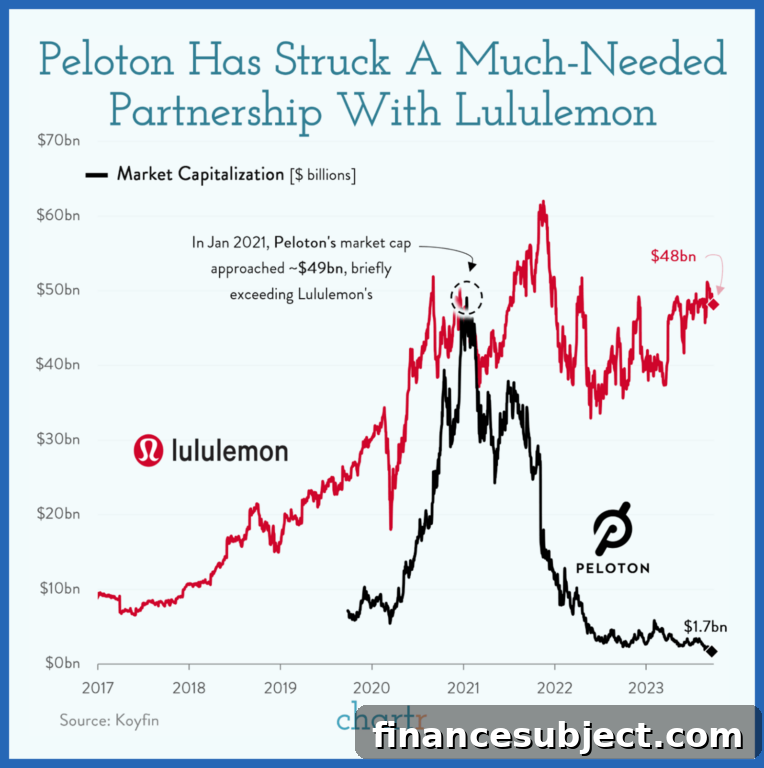
Canadian athleisure leader Lululemon (LULU/NASDAQ) has announced a five-year strategic partnership with Peloton (PTON/NASDAQ). The agreement, revealed on Monday, brings the two brands together after a year that included legal disputes over apparel design. The new arrangement positions each company to leverage the other’s strengths: Lululemon in performance apparel and Peloton in connected fitness content.
Highlights of Lululemon and Peloton’s strategic partnership
- Lululemon apparel will be sold through Peloton retail channels and on Peloton’s apparel site.
- Lululemon All-Access Members will receive access to Peloton’s fitness classes.
- Lululemon will exit the fitness hardware and exercise-class businesses.
Dion Camp Sanders, Peloton’s chief emerging business officer, captured the collaboration’s intent:
“By bringing together the best in fitness content with the best in athletic apparel, we’ll give our communities one-of-a-kind experiences and special content that will inspire them to achieve their goals.”
The partnership aligns with Lululemon’s ongoing retail momentum and represents a pragmatic shift for both companies. Peloton has suffered steep losses in market value since its pandemic peak, driven by a slowdown in at-home exercise demand, subscriber declines and product-recall costs. Lululemon’s decision to discontinue its Mirror home fitness device earlier this year in favor of working with Peloton signals a strategic retreat from hardware and a willingness to collaborate rather than compete.
Stock bust: The worst of the worst
While much attention goes to market winners, the largest shareholder losses over long stretches offer a stark reminder of investment risk. A recent Visual Capitalist compilation ranks the 25 U.S. stocks that destroyed the most shareholder wealth from 1926 to 2022. Collectively these companies account for roughly USD 1.2 trillion in losses across that period.
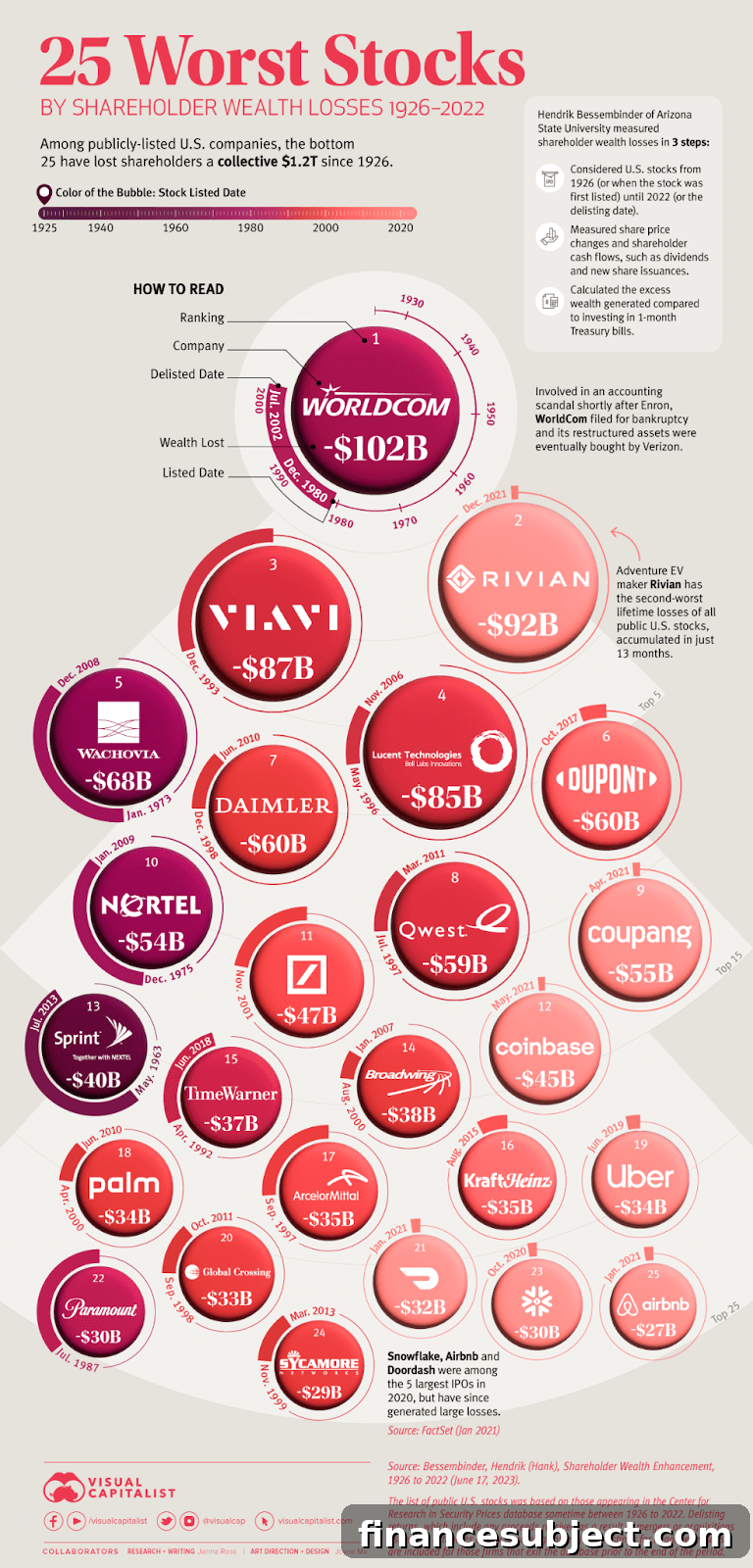
Some familiar names appear on the list. Canadian telecom giant Nortel Networks once represented a substantial portion of the Toronto Stock Exchange and today stands as a cautionary example of concentrated country risk. Even so, Nortel ranks only tenth on the list; the largest single destruction of shareholder value belongs to WorldCom, which collapsed amid a massive accounting scandal and filed for bankruptcy in July 2002.
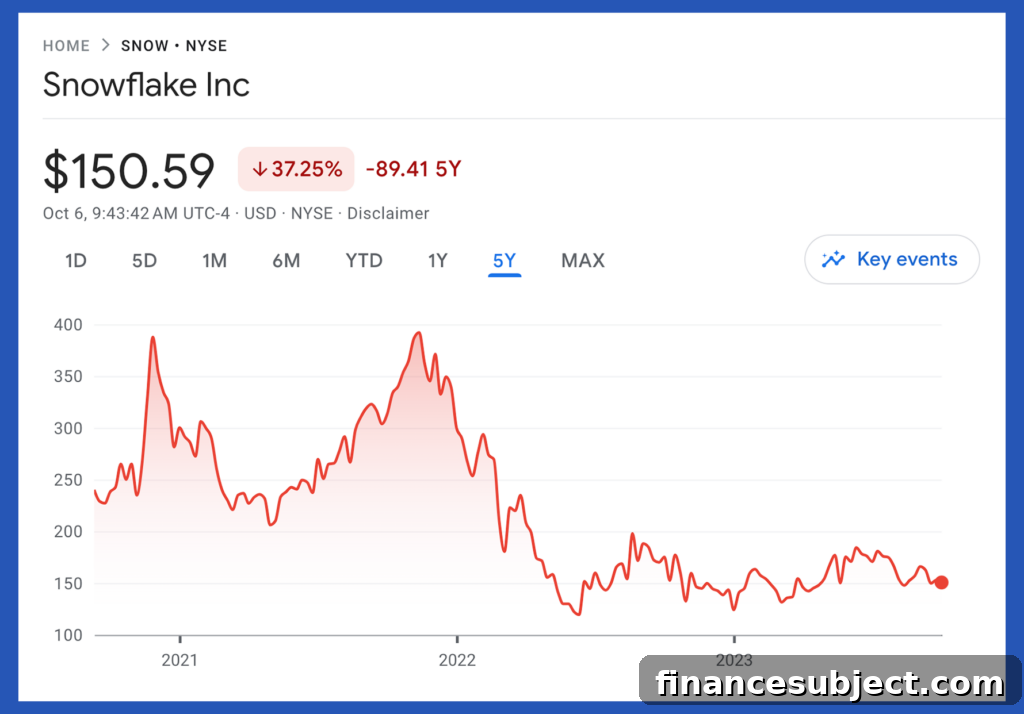
The list also highlights the hazards of overenthusiastic IPO pricing. Recent public offerings such as Uber and Airbnb have experienced significant share-price volatility and substantial early losses relative to initial valuations. Cloud companies like Snowflake face intense competition and have struggled to justify their original market expectations.
Other recent examples include delivery and crypto-facing businesses that continue to wrestle with profitability. DoorDash shareholders still watch for consistent 12-month profits, while Coinbase reported a large loss in 2022 and faces a path back to profitability that depends on trading volumes, product diversification and broader crypto market recovery.
Modelo sales power Constellation Brands earnings
Constellation Brands (STZ/NYSE), the company behind Mexican beer brands including Modelo, reported stronger-than-expected quarterly earnings. The company posted adjusted earnings per share that exceeded analyst estimates and modestly beat revenue expectations. Despite the positive results, Constellation’s shares fell on the day, suggesting the market had already priced in much of the good news.
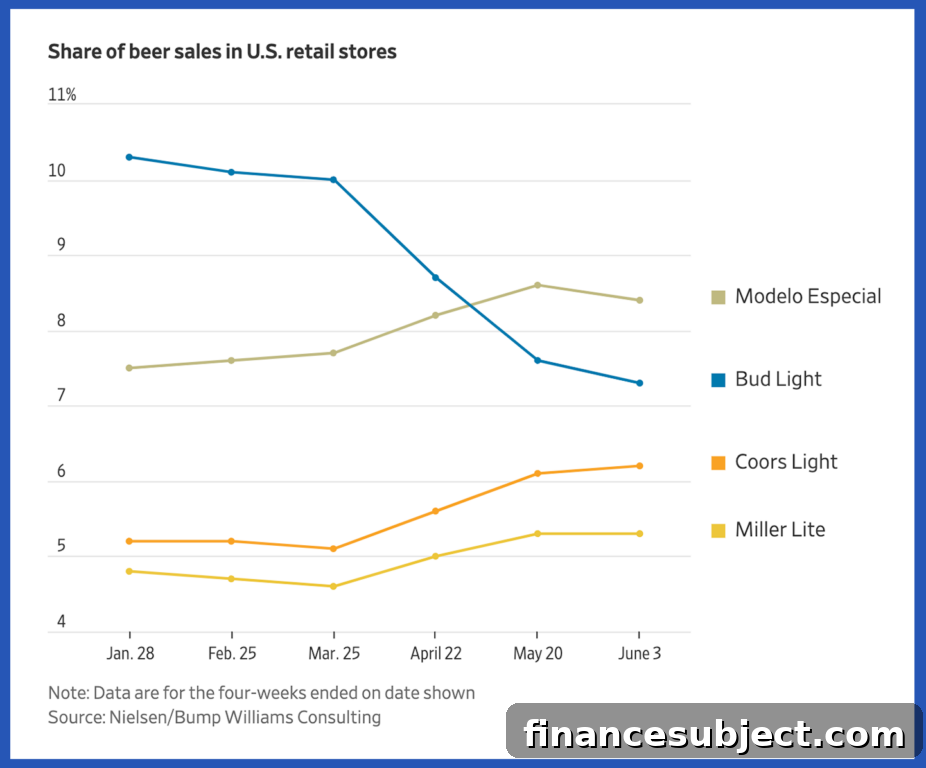
A key factor behind the results is Modelo Especial’s continued strength in the U.S., where it has taken market share from some incumbents and is currently among the top-selling beers. Company executives point to Modelo’s long track record of steady growth as evidence of durable demand for the brand.
What would the entire world’s stock market look like?
A comprehensive visualization of the global equity market shows the relative size of markets around the world and how much they have grown. The global market capitalization is now measured in the tens of trillions of dollars, and the distribution highlights the outsized role of the U.S. market relative to other developed and emerging markets.
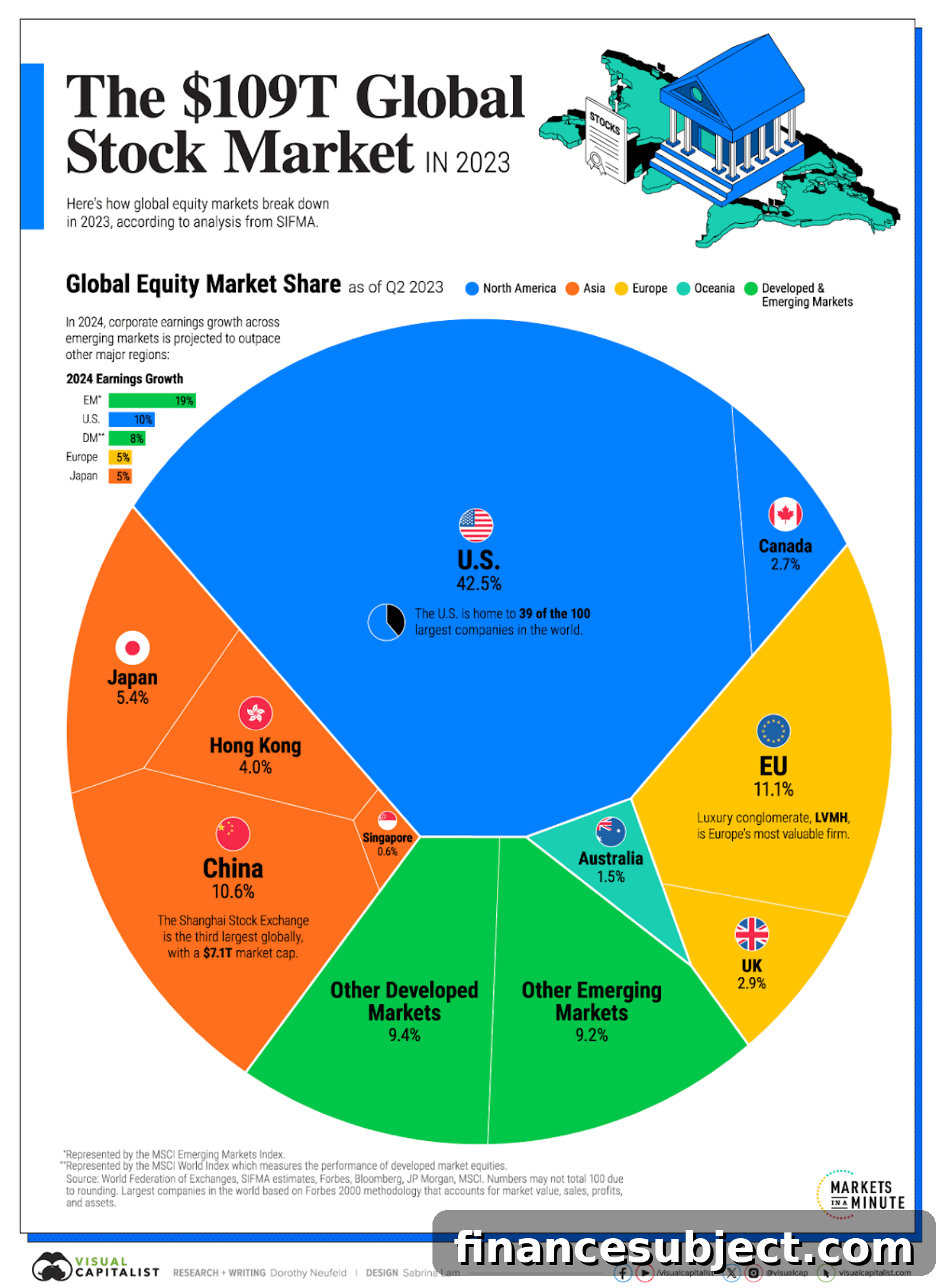
World market highlights
Key takeaways:
- If the same visualization had been drawn in 2003, the global market would have appeared roughly one-third the size it is today.
- The U.S. market has delivered exceptional long-term returns, with investors benefiting from decades of strong performance.
- Relative returns in the U.S. have outpaced many other developed markets over recent decades.
- Canada represents a small slice of global public equity—roughly a few percent of total market capitalization.
- China’s economy has grown substantially, but its public-equity returns have lagged somewhat after inflation, making the case for capital gains less clear-cut in some periods.
Some forecasts expect emerging markets to gain a larger share of global equity value over time, but growth in GDP does not automatically translate to superior equity returns. Profitable, widely distributed companies can generate outsized market value regardless of where economic activity occurs.
Historical examples such as Japan’s economic rise and subsequent equity market stagnation remind investors that regional economic strength does not guarantee perpetual stock market leadership.
Yes, it’s free: The Canadian Financial Summit
The Canadian Financial Summit has released its 2023 speaker lineup, featuring familiar faces from financial media and advisory fields. Registration for the virtual summit is free, and the program covers practical topics for Canadian investors.

Michael McCullough
Top Canadian ETFs for This Year and Beyond
With a growing array of ETF choices, investors often struggle to decide which products suit their portfolios. MoneySense’s executive editor Lisa Hannam and journalist Michael McCullough discuss ETF market structure and present ETF options Canadians might consider based on current research and selection criteria.
Allan Norman, MSc, CFP, CIM
All your FHSA questions answered
The new first-home savings account (FHSA) has prompted many questions from Canadians. In a live Q&A format, Certified Financial Planner Allan Norman will address practical queries about how the FHSA works, where to open an account and how to use it within a long-term home-buying plan.
Lisa Hannam
Personal finance trends to plan for in 2023 and 2024
MoneySense executive editor Lisa Hannam and columnist Kyle Prevost will examine the personal-finance themes shaping the coming years, from interest rates and employment trends to technology, GICs and the evolving role of digital assets. Their session will help Canadians prioritize planning decisions amid evolving market conditions.