
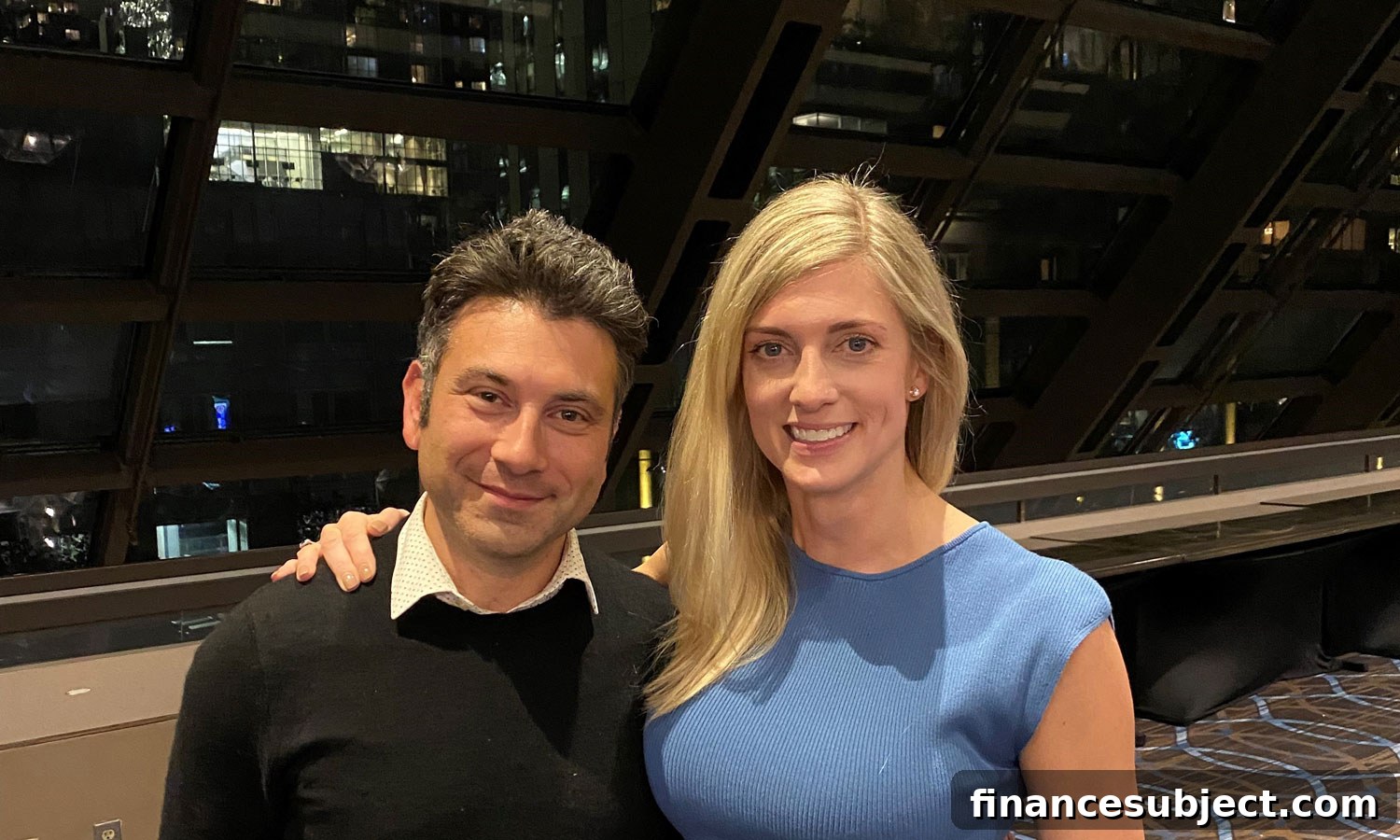
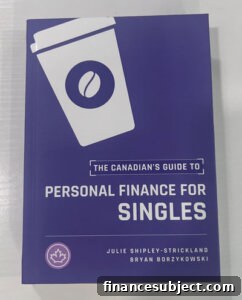
When a financial journalist teams up with a certified planner, the conversation inevitably turns to money—and sometimes that conversation turns into a book. That’s exactly what happened when Julie Shipley-Strickland, Senior Wealth Advisor at Wellington-Altus Private Wealth, and editor-writer Bryan Borzykowski (a former MoneySense editor) collaborated on The Canadian’s Guide to Personal Finance for Singles (Wiley, 2022). Framed as “your silent partner who always offers helpful financial advice,” their book focuses on empowering Canadians with practical guidance on spending, saving, budgeting and wealth building. Below, they answer a series of personal questions about money, habits and priorities.
Who are your money heroes?
Bryan Borzykowski: Julie Shipley-Strickland—my co-author and an inspiring financial thinker.
Julie Shipley-Strickland: My paternal grandmother. She invested consistently for the long term and did her homework before committing funds; her confidence and patience paid off. I also admire Warren Buffett for his straightforward approach: invest in what you understand and believe will perform well over time. One of my favorite Buffett lines captures this mindset: “If you aren’t willing to own a stock for 10 years, don’t even think about owning it for 10 minutes.”
How do you like to spend your free time?
BB: Playing guitar, writing songs and relaxing on my deck in Winnipeg Beach.
JSS: I love time with family—travel, hiking, skiing and relaxing at our cottage or in the city. I also enjoy a wide range of exercise: Muay Thai, strength training, running, yoga, Pilates and spinning. I’m a self‑confessed foodie who enjoys cooking and socializing over meals with friends and family.
If money were no object, what would you be doing right now?
BB: Lounging by the pool at my dream home in Puerto Vallarta.
JSS: Working to improve financial literacy and doing more charitable work in Canada—plus travelling more with my family.
What was your first memory about money?
JSS: Seeing my dad always carrying cash—it stuck with me. I still keep some cash on hand.
BB: Earning money babysitting. Getting paid for that work felt empowering and taught me the satisfaction of spending and saving my own money.
What’s the first thing you remember buying with your own money?
BB: Probably a Beach Boys CD.
JSS: Trips to the dépanneur—the corner store in Montreal—where I’d buy five‑cent candies. I still love those little treats.
What was your first job?
JSS: I spent a couple of summers working at a local day camp, with short, sweet hours and a chance to start saving—20% of each paycheck went straight into savings. I was 15.
BB: I worked at Camp Massad, a Jewish summer camp in Manitoba. I earned about $800 that summer and immediately spent it on a Fender Deluxe amp—an item I still own today.
What was the biggest money lesson you learned as an adult?
BB: As earnings rise, so does the temptation to spend more. It’s crucial to budget intentionally and resist lifestyle creep if you want to build long‑term wealth.
JSS: Always keep a slush fund for emergencies and opportunities. In my mid‑20s I missed a real estate opportunity because I didn’t have quick access to cash—having an opportunity fund makes a big difference.
What’s the best money advice you’ve ever received?
JSS: Save a portion of everything you earn. The amount can change with life stages, but the habit of saving a bit consistently is essential.
BB: Start investing as early as possible. I learned the hard way that time in the market matters more than perfect timing.
What’s the worst money advice you’ve ever received?
JSS: That all debt is bad. Debt can be a useful tool when used strategically—especially if it’s financing an appreciating asset or an income‑generating investment.
BB: A stock tip for a Delta‑9 cannabis company that quickly crashed. Fortunately, I only treated it as a small, speculative bet.
Would you rather receive a large sum of money all at once or a smaller amount regularly for life?
BB: A lump sum. It’s tempting to spend, but if invested wisely it can grow far more than a steady small payment.
JSS: I’d take the lump sum too, but I’d invest it gradually to dollar‑cost average and manage market volatility.
What do you think is the most underrated financial tip or strategy?
BB: Small, consistent savings add up significantly over time.
JSS: Start saving as early as you can—no amount is too small. Many people underestimate the power of compound interest and the value of time in the market.
What is the biggest misconception people have about growing money?
BB: That wealth will materialize without a plan. You need goals, discipline and a strategy.
JSS: Focusing only on rate of return. Returns matter, but so do time in the market, consistent contributions, paying down non‑deductible debt and increasing savings over time; all of these shape long‑term wealth.
Can you share a money regret?
JSS: Buying things I liked but didn’t truly love. Now I follow a “hell yes or no” rule—only purchases that feel like a strong yes.
BB: I’m working through a regret now and hope to write about it for MoneySense one day.
What does the word “value” mean to you?
JSS: Value is anything—an item or an experience—that brings a deep sense of satisfaction. I enjoy saving for things I really want and then buying them outright. For me, value often equals classic, well‑made items or meaningful travel with family that’s already paid for.
BB: Value means buying things that last and serve you well—like my long‑owned guitar amp.
What was your first major purchase as an adult?
BB: My first house in 2006. It felt intimidating at the time but turned out to be a solid move.
JSS: The practical answer is my first home in Calgary with my husband. But a more memorable splurge was a Louis Vuitton bag I bought on Rodeo Drive after university with money I’d earned waitressing—a purchase that still brings me joy.
What’s your take on debt?
BB: Debt can be useful—especially for buying a home—but it can also escalate quickly if unmanaged.
JSS: Debt isn’t inherently bad. If it’s used to acquire an asset or leverage other people’s money to generate greater returns, it can be an effective financial tool.
What was your most recent splurge?
JSS: Materially, shoes—always shoes. For experiences, travel with the family is my favorite indulgence.
BB: Taylor Swift tickets—an experience splurge that was worth it to me.
What is the last money-related book you read?
JSS: I’m juggling three books right now: The Supernova Advisor by Rob Knapp (about exceptional client service in financial advice), Quit Like a Woman by Holly Whitaker (exploring women’s relationships with alcohol and cultural pressures), and The Highly Sensitive Child by Elaine N. Aron (a practical guide for parents of sensitive children).
BB: My latest full read was our own Personal Finance for Singles—I don’t get as much time to read as I’d like, but that one I finished cover to cover.
What is something you always have in your wallet?
JSS: Cash—I still like having bills on hand.
BB: My NEXUS card.
What is your favourite possession?
BB: My 1996 Mexican Strat and a newer Taylor acoustic—both instruments I treasure.
JSS: I value experiences more than things: quiet mornings with my husband, meaningful time with my children, and evenings catching up with friends over a glass of wine.
What’s your next money goal?
BB: Boosting retirement savings.
JSS: Finishing these MoneySense quick questions—then back to planning and advising.
My MoneySense quick questions
Rent or own?
BB: Own.
JSS: Own. Prefer owning unless it’s a recreational purchase like a boat or plane.
Buy or lease?
BB: Buy.
JSS: Buy. My Volvo is 12 years old and paid off—that ownership feels good. I might consider leasing next time, but owning has served me well.
Save or invest?
BB: Invest.
JSS: Both—saved money should ideally be invested, even if it starts in a high‑interest savings account.
To budget or not?
BB: Budget.
JSS: I prefer balance over strict budgets—automatically set aside a portion of every paycheck and let the rest cover living and enjoyment. Building that saving habit is crucial.
More from My MoneySense:
- Chris Guillebeau on Gonzo Capitalism, his $100,000 side hustle, and why average isn’t good enough
- Reni Odetoyinbo on why you should pay yourself first and have multiple streams of income
- Kristy Shen on living the FIRE life and using money to “buy back time”
- Shane Murphy: “Real value lies in giving people meaningful work and helping them avoid burnout”