
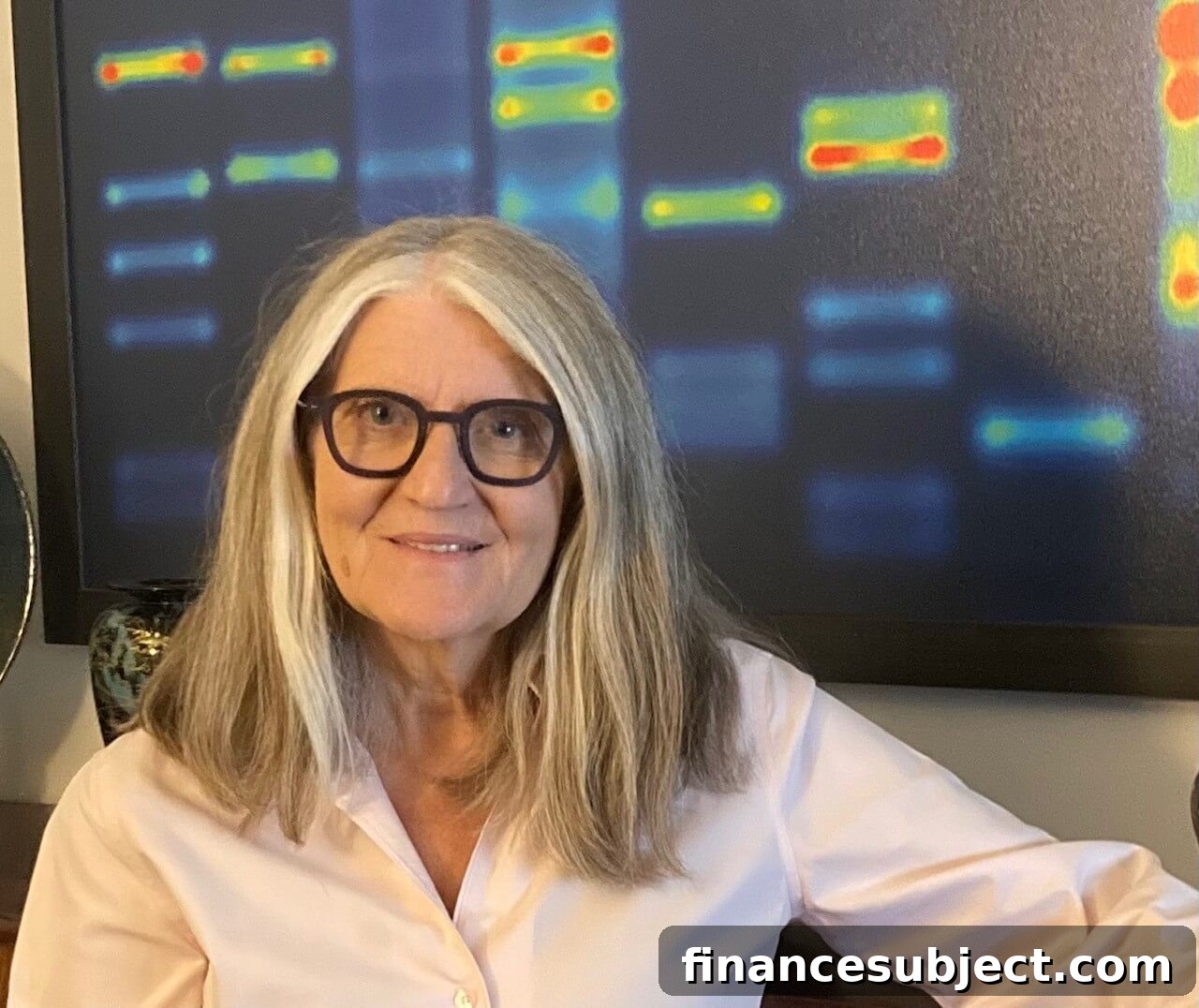
Doretta Thompson is the director of corporate citizenship at CPA Canada, where she leads award-winning financial literacy programs. She also serves on the board of AFOA Canada (formerly the Aboriginal Finance Officers Association of Canada) and contributes to Excellence Canada’s financial literacy standards advisory committee. A recipient of the Queen Elizabeth II Diamond Jubilee Medal, Thompson has shaped financial education across Canada and is widely recognized as a champion for financial literacy. Below are her answers to My MoneySense, reflecting practical wisdom on money, investing and everyday finances.
Who are your finance heroes?
I don’t have a single finance hero, but I admire the plainspoken, common-sense style of Dave Chilton, author of The Wealthy Barber. His straightforward guidance resonates with me. I also learned a lot about how not to handle money from my mother, which shaped my approach to financial decisions.
How do you like to spend your free time?
I spend time with family, especially my three grandchildren. I love wandering through cities—I suppose I’m a flâneuse, a word that captures meandering through urban spaces with history. I enjoy old churches, museums and galleries, and I write stories and poems that I rarely show anyone.
If money were no object, what would you be doing right now?
Mostly what I’m doing now, but with more time for travel and personal pursuits. I like the idea of living in a different city for a few months at a time, long enough to form local habits and really get to know a place.
What is your earliest memory about money?
My earliest memory involves my parents arguing about money. It was difficult, but it taught me the value of transparency and shared goals as the foundation of a healthy relationship.
What’s the first thing you remember buying with your own money?
The first thing I purchased was a book: Leonard Cohen: Selected Poems. I still own it.
What was your first job?
I worked as a checkout clerk at Loblaws. I enjoyed watching what people bought and learning from it. I saved my earnings because I was determined to leave home and attend university.
What was the biggest money lesson you learned as an adult?
A course called “Investing for Women” helped me overcome a lot of fear about money. It made clear that investing principles are the same for everyone, but it also showed how women often stop asking questions when men are present. The class helped me set priorities, recognize different kinds of debt, and gave me permission to invest in my future.
What’s the best money advice you’ve ever received?
Don’t invest in anything you don’t understand. That advice kept me out of speculative tech bubbles and away from crypto I didn’t comprehend.
What’s the worst money advice you’ve ever received?
I once followed a broker’s advice to sell my Apple shares when Steve Jobs passed away—and regretted it.
A large sum of money all at once or a smaller amount regularly for life?
Assuming tax neutrality, I would take a large lump sum. That would allow me to invest and also gift to others as needed.
What do you think is the most underrated financial advice, tip or strategy?
The simplest and most powerful habit is saving regularly, even if it’s only a few dollars a week to start. Consistent saving builds options over time.
What is the biggest misconception people have about growing money?
Many people believe you need a large sum to begin investing. In reality, you can start small and grow your investments over time.
Can you share a money regret?
I regret not taking more investment risks earlier. I tended to favour safety and kept my savings in laddered GICs far longer than I needed to.
What does the word “value” mean to you?
Value means experiences over things. I prioritize travel and learning—those are the investments that matter most to me.
What’s the first major purchase you made as an adult?
My first major purchase was a painting I bought early in my career. It cost three months’ rent at the time, but I saved deliberately for it. I still own it and have no regrets.
What’s your take on debt?
Debt can be useful when it finances something that increases in value or invests in your future. Consumer debt for discretionary spending makes little sense to me. If you can’t pay off your credit card each month, you may be living beyond your means.
What was your most recent splurge?
A trip to Italy and Spain.
What is the last money-related book you read?
I recently reviewed a proof copy of the next title in CPA Canada’s financial literacy series, The Last Act by Larry and Kimberly Short, a clear, practical guide to estate planning scheduled for release in January.
What is something you always have in your wallet?
Cash—I carry and use it to support small local businesses—and my Presto transit card.
What is your favourite possession?
My Movado Museum watch, given to me by my husband years ago. Its minimalist design—no numbers, only a single dot at 12—reflects my view of time and priorities.
What’s your next money goal?
Planning the next trip abroad. We haven’t picked a destination yet; Ireland is a possibility.
My MoneySense quick questions
Rent or own?
Own.
Buy or lease?
I use public transit and no longer own a car. I used to buy reliable second‑hand cars and held them for a long time. If a vehicle is a legitimate business expense, leasing can make sense—always run the numbers.
Save or invest?
Both. Keep accessible savings for emergencies and short-term goals, and invest what you don’t need with a strategy that suits your risk tolerance.
Budget or not?
Yes and no. We don’t use a strict spreadsheet now because we know our regular expenses and review them periodically. We save ahead for trips and use banking apps to track spending by category. When I was a stay-at-home mom I was meticulous about cash flow. The right approach is to have a plan that’s formal enough to keep you honest and on track.