
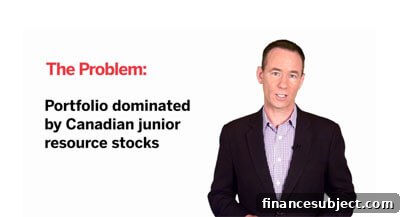
Watch: Portfolio Builder — Lesson 2
This lesson in the Portfolio Builder series focuses on practical steps for constructing and maintaining an investment portfolio. Whether you’re new to investing or refining an existing strategy, Lesson 2 walks through the essential principles of portfolio construction: setting clear goals, choosing an appropriate asset allocation, diversifying to manage risk, and establishing simple rules for rebalancing and monitoring your investments.
What this lesson covers
Lesson 2 is designed to help you move from theory to action. It emphasizes learnable, repeatable processes you can apply to build a portfolio that aligns with your financial goals, time horizon, and risk tolerance. Key topics include:
- Clarifying objectives: Define the purpose of the portfolio—retirement, a major purchase, education, or wealth preservation—and set measurable targets.
- Assessing risk tolerance: Understand how much volatility you can tolerate and how that affects the mix of stocks, bonds, and other assets in your portfolio.
- Asset allocation: Learn how to allocate capital among major asset classes (equities, fixed income, cash equivalents, and alternatives) to balance potential returns and risk.
- Diversification: Discover how diversification reduces the reliance on any single investment or sector and why broad exposure matters.
- Security selection and simplicity: Evaluate the trade-offs between individual stocks, exchange-traded funds (ETFs), and mutual funds, with an emphasis on keeping costs and complexity manageable.
- Rebalancing and rules-based management: Set a rebalancing schedule or use threshold triggers to keep your portfolio aligned with your target allocation.
- Costs and tax efficiency: Consider the effects of fees, transaction expenses, and taxes on long-term returns and how to minimize unnecessary costs.
- Performance measurement and recordkeeping: Track returns relative to objectives and keep records to review progress and refine strategies.
Practical steps to build your portfolio
Start by writing down clear, time-bound goals and a realistic assessment of how much risk you can accept. Use that information to create a target asset allocation. For example, longer time horizons often allow for higher equity exposure, while shorter horizons may call for a larger proportion of fixed income or cash equivalents.
After selecting a target allocation, choose simple investment vehicles that provide broad exposure. Many investors rely on low-cost ETFs or index funds to implement diversified equity and bond allocations. If you prefer a more hands-on approach, limit stock or sector bets to a controlled portion of the portfolio so individual positions do not dominate overall performance.
Rebalancing: frequency and approach
Rebalancing keeps your portfolio aligned with the intended risk profile. Common approaches include calendar rebalancing (quarterly, semi-annually, or annually) or threshold rebalancing (adjust when an asset class deviates by a preset percentage). Each method has trade-offs: calendar rebalancing is straightforward, while threshold rebalancing can reduce unnecessary trades but requires monitoring.
Managing costs and taxes
Investment costs—expense ratios, trading commissions, bid-ask spreads—reduce net returns over time. Favor low-cost funds where appropriate and be mindful of turnover that generates taxable events in taxable accounts. Place tax-inefficient holdings in tax-advantaged accounts when possible, and maintain simple records to support tax reporting and strategy adjustments.
Monitoring progress and adapting
Set measurable checkpoints to evaluate performance against your goals. Regularly review whether the underlying reasons for your asset allocation still apply. Major life events, changes in income, or shifts in goals may require rethinking the target mix. Avoid making impulsive changes based on short-term market movements; instead, rely on the framework you established for disciplined adjustments.
Next steps after Lesson 2
After watching the video and reviewing this lesson, take these actionable next steps:
- Document your financial goals and time horizon.
- Complete a simple risk-tolerance assessment to inform your allocation.
- Create a draft target allocation and select low-cost vehicles to implement it.
- Choose a rebalancing method and schedule.
- Track costs, monitor performance, and keep concise records.
Lesson 2 is meant to give you a clear, practical framework for constructing a portfolio that reflects your objectives and constraints. Watch the video above, pause to take notes, and apply the steps described here to build a disciplined, cost-aware portfolio that you can maintain over time.