
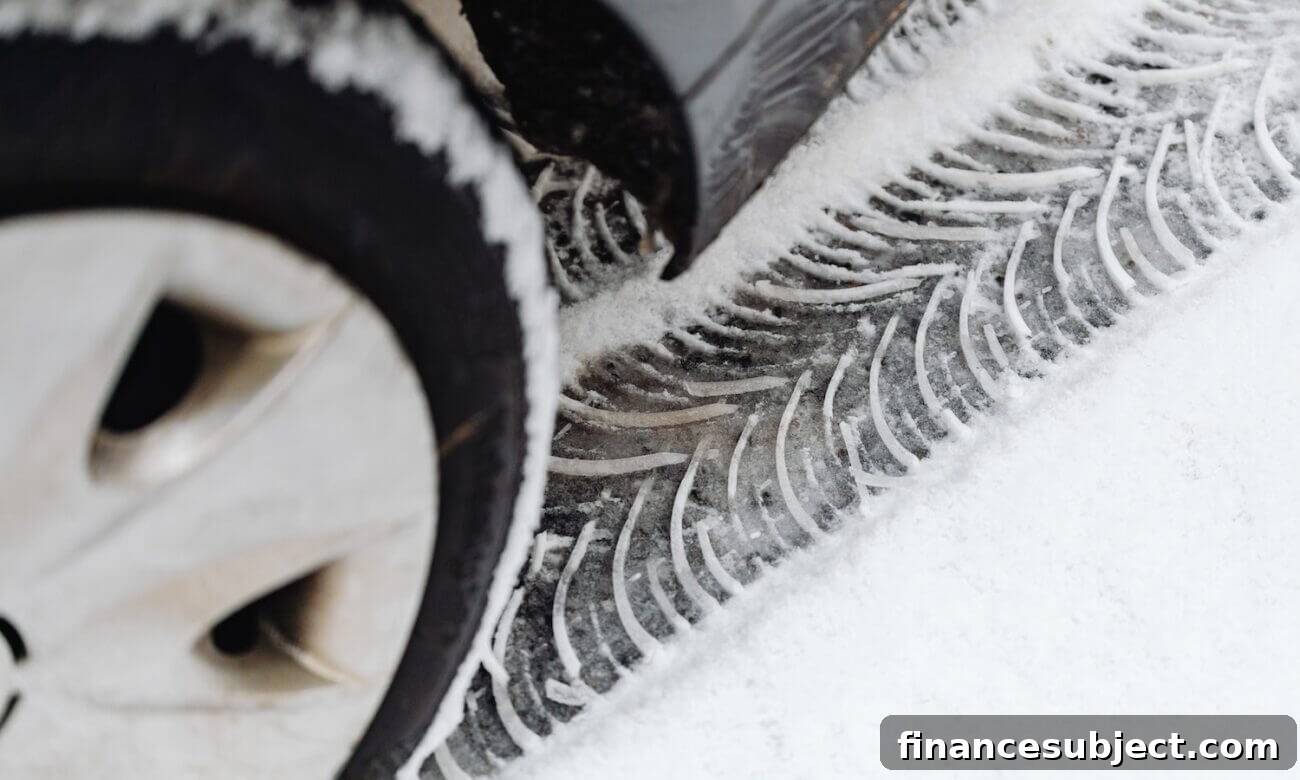
For many Canadians, winter driving means facing some of the harshest road and weather conditions in the world for several months each year. Fitting your vehicle with a quality set of winter tires can significantly improve safety, confidence and peace of mind when you’re on the road.
Whether you’re buying winter tires for the first time or replacing an existing set, the range of choices, prices and features can be overwhelming. Below is a clear guide to the most important differences between tire types, what to look for in a winter tire, when to buy, how long they last, and how to care for them so you get the best value and performance.
Why Canadian drivers need winter tires and how long they last
Winter tires are engineered specifically for cold weather, snow and ice. While they’re often called “snow tires,” that label only reflects part of their purpose. Winter tires combine specialized rubber compounds, tread patterns and design details to deliver grip, braking and handling at sub-zero temperatures—conditions where all-season and some all-weather tires lose effectiveness.
On average, a quality set of winter tires will last about five to eight winters under normal driving and maintenance, though wear depends on factors such as driving habits, local road conditions, temperatures, and how soon you switch back to summer or all-season tires once the season ends. Using winter tires in warm weather accelerates wear, so removing them promptly when temperatures rise helps extend their life.
Winter driving hazards include deep snow, hard-packed snow, black ice and rapidly changing temperatures during shoulder seasons. Cold weather stiffens the rubber compound of non-winter tires, reducing traction and increasing stopping distances even on dry roads. Dedicated winter tires are formulated to stay flexible in cold conditions and to disperse slush and water, improving contact with the road and allowing traction systems to work more effectively.
The main tire categories explained
Today’s tire market offers distinct categories: all-season, all-weather, winter and all-terrain. Choosing the right one depends on the climate you drive in and how often you encounter snow, ice and sustained cold.

All-season tires
All-season tires use a rubber compound optimized for warm and moderate temperatures. They perform well during spring, summer and fall, and in rainy conditions, but their compound becomes stiffer in cold weather. That stiffness reduces grip, increases stopping distances and generally makes them less suitable for sustained winter driving. Typical lifespan is three to five years depending on use.
All-weather tires
All-weather tires are a winter-enhanced version of all-season tires. They use compounds and tread designs that retain better flexibility in cold temperatures and offer improved traction in light snow. All-weather tires allow some drivers to run a single set year-round, which can save time and money by avoiding seasonal tire changes. However, all-weather tires can wear faster than some all-season tires and may not match the performance of dedicated winter tires in severe conditions.
Winter tires
Dedicated winter tires are designed exclusively for severe cold, snow and ice. Their tread patterns, siping and specialized rubber compounds maximize traction and braking at sub-zero temperatures. If you face frequent slippery roads or regularly drive in sub-zero weather, dedicated winter tires offer the best safety and performance benefits and help traction systems in modern vehicles work more effectively.
All-terrain tires
All-terrain tires are common for pickups and SUVs, and many are built to be used year-round. Look for tires marked with the Three-Peak Mountain Snowflake (3PMSF) symbol, which indicates a minimum level of winter traction performance. While 3PMSF all-terrain tires improve winter behavior for drivers who don’t swap tires seasonally, a purpose-built winter tire remains superior for the most demanding snow and ice conditions.
Key winter tire features to consider
Manufacturers add a variety of technologies to winter tires to boost winter performance. Some use unique rubber formulas that stay flexible in cold temperatures; others add micro-pores, special tread patterns or structural elements to evacuate water and slush, and to increase biting edges on ice. A few models even include crushed particles or other additives to enhance grip on glazed surfaces.
When comparing tires, understand which features matter most for the conditions you face: deep snow, packed snow, mixed slush or frequent black ice. Speak with a knowledgeable retailer about how a tire’s design will affect braking, handling and wear for your driving style and local climate. Avoid extremely low-cost or unfamiliar brands, as tire quality and safety vary significantly across the market.
Some winter tires come stud-ready or with factory-installed studs for improved bite on hard ice. Studded tires are still useful in regions with persistent ice, though they are less common in some areas and may carry noise and road wear trade-offs. Personal experience and local conditions should guide whether studs are worthwhile for you.
How much do winter tires cost?
Prices vary widely based on brand, performance level, tire size and vehicle type. Smaller cars can often be equipped for a few hundred dollars per set on the low end, while mid-range quality sets typically fall in the $700–$900 range. High-end winter tires or larger sizes for SUVs and performance cars can exceed $1,000 for a set of four. Using tires designed for your vehicle and avoiding the cheapest knock-offs usually yields the best compromise of safety and value.
Buying winter tires can also extend the life of your all-season set by reducing its mileage during winter months, and consistent use of appropriate tires may help you avoid accident-related costs. Some insurers may offer a discount if you notify them that you use winter tires.
When to buy winter tires
The ideal time to buy is in the fall, when manufacturers and retailers often run promotions and rebates. Don’t wait for the first snowfall to shop; many experts recommend switching to winter tires when daytime temperatures are consistently at or below about 7°C. Booking an installation appointment ahead of peak season avoids long waits, and many retailers offer seasonal storage to simplify the swap and protect your tires when they’re not in use.
Maintaining and storing winter tires
Proper maintenance keeps winter tires safe and extends their useful life. Check and adjust tire pressure regularly, especially during shoulder months when temperatures change. Correct inflation reduces uneven wear, improves fuel economy and preserves handling. Rotate tires according to the manufacturer’s recommendations to promote uniform wear.
Store off-season tires in a cool, dark place and protect them from sunlight and ozone exposure. Whether you store tires at home or use a retailer’s storage service, keeping them clean, bagged and away from heat sources will help preserve the rubber compound and maximize lifespan.
Further reading on autos
- Are all-weather tires a safe substitute for dedicated winter tires?
- The best car insurance in Canada: Your complete guide
- Understanding accident benefits: what they cover
- Vehicle safety and owner responsibilities: lessons and guidance