
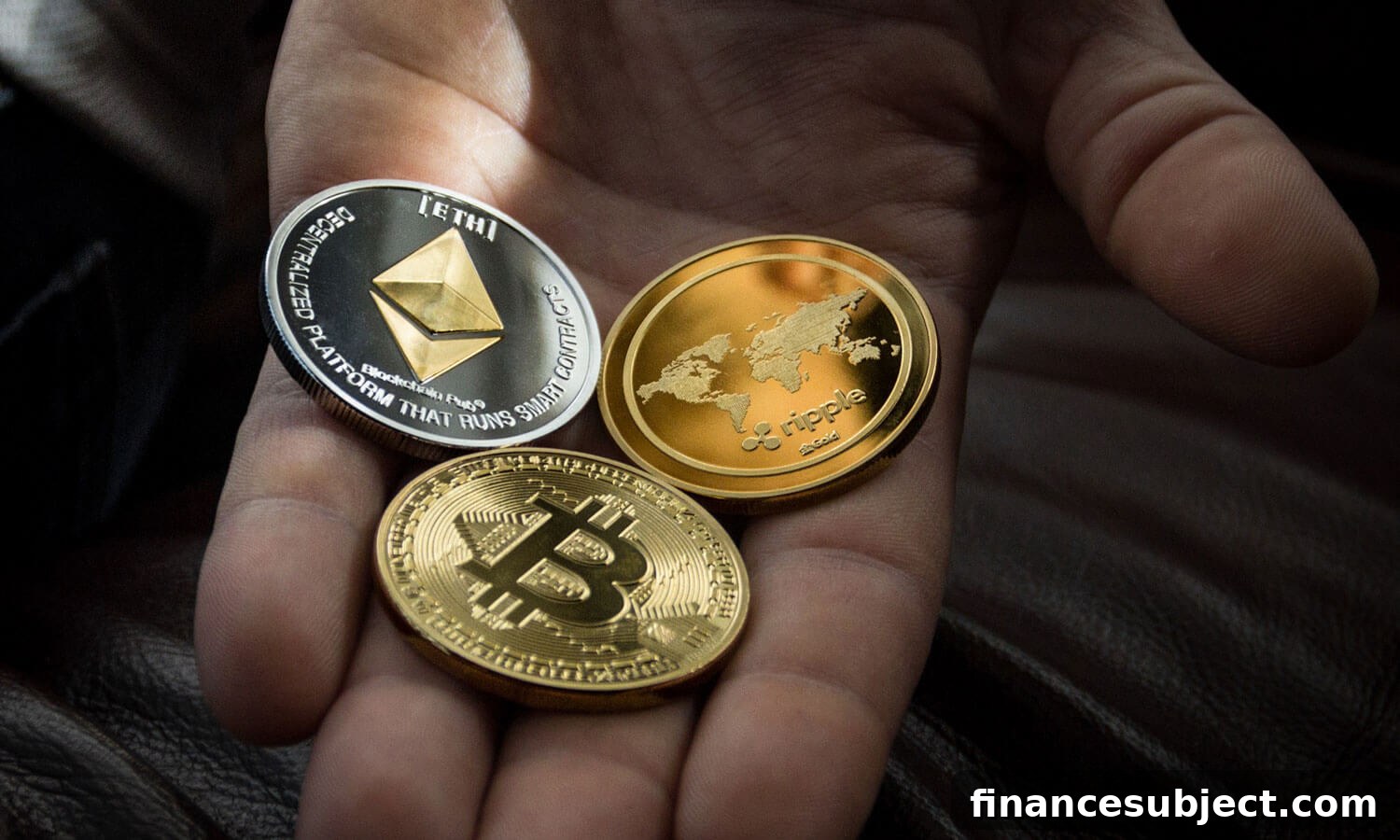
Cryptocurrencies have surged in popularity in recent years. While Bitcoin still dominates the market, a growing number of altcoins—smaller digital currencies—are gaining attention and market value as both retail and institutional investors increase adoption.
As digital currency becomes more mainstream, investors now weigh Bitcoin against a diverse set of alternatives when deciding how to build a crypto portfolio.
The crypto ecosystem now includes thousands of coins and tokens, with new projects appearing frequently. For everyday investors, choosing which cryptocurrencies to include can be daunting. At one end of the spectrum are established, blue‑chip cryptocurrencies such as Bitcoin, Ethereum and Cardano. At the other end are lesser‑known or speculative projects, including meme coins such as Dogecoin.
To help you navigate these choices, MoneySense consulted crypto industry experts on what to consider when building a crypto portfolio.
First things first: Deciding which cryptocurrencies to buy—and how
New crypto investors should first decide whether they want exposure to established cryptocurrencies or newer, experimental assets. Established coins generally have longer track records and deeper infrastructure; newer tokens can offer outsized returns but tend to carry higher risk.
“Emerging assets don’t have the robustness and track record of established assets like Bitcoin and Ethereum,” says Brian Mosoff, CEO of crypto investment firm Ether Capital Corp. He notes that many newer projects also introduce custody and security challenges that investors should not underestimate.
For example, Canadian investors can gain exposure to Bitcoin and Ether through structured products and ETFs that remove custody concerns. By contrast, some newer coins require self‑custody, which may be complex or inadvisable for many investors.
Before investing in altcoins—cryptocurrencies other than Bitcoin—do your homework and understand both the technical and custodial risks involved.
What to consider when building a crypto portfolio
What belongs in a crypto portfolio depends on your goals and risk tolerance. Generally, higher potential reward comes with higher risk.
Diversification is essential. Jeremy Cheah, associate professor of crypto‑finance and digital investment at Nottingham Business School, recommends selecting a range of assets whose price movements are not tightly correlated. If assets move together, your portfolio carries concentrated risk; negatively correlated assets can help offset losses when one sector falls.
David Shafrir, CEO of Secure Digital Markets (part of the GDA Group), emphasizes that going “all in” on a single favourite asset is usually riskier than holding a mix of products that can hedge each other.
Decide too whether you want to hold coins in cold storage (offline wallets), keep them on an exchange, or use crypto ETFs that remove custodial complexity. For emerging coins especially, be mindful that the technology remains young—bugs, hacks and thefts have led to rapid value erosion in the past.
Smaller‑cap digital assets are typically far more volatile than established coins. “That works in both directions: you may outperform Bitcoin in a bull market but fall behind in a bear market,” says Mosoff.
How much should I invest in crypto?
Allocation to crypto depends on your position on the risk spectrum—conservative to aggressive—and on your broader portfolio composition.
“Ultimately, each investor has to decide what feels right,” says Shafrir. For conservative investors, a relatively small allocation—perhaps 5% to 10%—can allow for meaningful upside while limiting exposure to large drawdowns. Moderate investors might tolerate 20% to 50% allocation, depending on other risky holdings. Aggressive investors who put more than 50% into crypto should be prepared for pronounced volatility.
Does crypto belong in a balanced portfolio?
In a diversified portfolio, cryptocurrency can be a high‑risk, high‑reward component. Experts suggest combining more stable holdings with riskier crypto assets. One strategy is to include stablecoins—cryptocurrencies pegged to fiat currencies like the U.S. dollar—which can be used for lower‑risk yield strategies in decentralized finance (DeFi).
Stablecoins themselves don’t appreciate like growth assets, but they can generate passive returns when deployed in lending or staking protocols, increasing diversification and potential income opportunities.
Crypto exposure can also act as a partial hedge against inflation. While markets have occasionally moved in step, correlations may weaken as the crypto asset class matures and gains institutional adoption, Mosoff says.
Beyond investment returns, many investors are attracted to the underlying technology: a new way to transfer value over the internet without relying on traditional intermediaries such as banks.
Crypto risk management
Crypto investing comes with several risks. Historically, custody failures and exchange hacks have caused major losses when platforms lacked proper safeguards or insurance. Moving assets offline to cold wallets shifts responsibility to the holder, who must safely store private keys—complex credentials required to access funds.
Regulatory developments also pose risk. Actions such as crackdowns on mining or outright bans in some countries demonstrate that rules can change suddenly and materially affect markets.
Other risks include human error—sending funds to the wrong address or selling the wrong asset—security breaches, platform shutdowns and programming vulnerabilities that can drain liquidity from smart contracts.
Mitigating these risks requires due diligence: diversify holdings, favour exchanges and custodians with solid security and regulatory compliance, and educate yourself about safe buying, storage and transferring practices. Investor education and common‑sense security practices remain the most effective defenses against many avoidable losses.
Bitcoin bias and choices beyond
Bitcoin has many passionate supporters—so much so that some Bitcoin maximalists dismiss other projects entirely. That view, many experts say, is too narrow.
“It’s short‑sighted to ignore the development activity and real usage happening on networks like Ethereum,” Mosoff says. Competing networks offer different capabilities and may complement Bitcoin in a diversified crypto portfolio.
Crypto is still evolving. New protocols and applications can emerge and reshape the landscape. Monitoring developer activity and other forward‑looking metrics can help investors spot projects that may perform well over the next one to three years, Mosoff advises.
Bitcoin has outperformed many other coins in recent years, but that does not mean it can do everything—DeFi and smart‑contract functionality, for example, are areas where other networks play a central role. Still, there is a strong case for holding a meaningful share of Bitcoin within a broader crypto allocation.
Given their asymmetric return potential, diversification benefits and growing adoption, cryptocurrencies can be a worthwhile part of many portfolios. But because the market moves fast, staying informed and knowing your limits are essential.
Buying cryptocurrencies with CAD
Investors in Canada can buy and hold Bitcoin and other digital assets directly on local and foreign exchanges. Canadian trading platforms such as Newton, CoinSmart*, NDAX, Bitbuy and others allow Canadians to buy, hold and trade a variety of cryptocurrencies.
You can also access a wide selection of coins through international platforms such as Crypto.com, Binance, Uphold and Kraken, many of which support Canadian dollars.
Read more on crypto:
- Best cryptocurrencies to invest in for 2022
- How to buy Avalanche (AVAX) in Canada
- How to buy Solana (SOL) in Canada
- How to buy Bitcoin in Canada (and find out where, too)
- How to buy Stellar / XLM in Canada
This article is sponsored.
This is a paid post that is informative but may also feature a client’s product or service. These posts are written, edited and produced by MoneySense with assigned freelancers.