
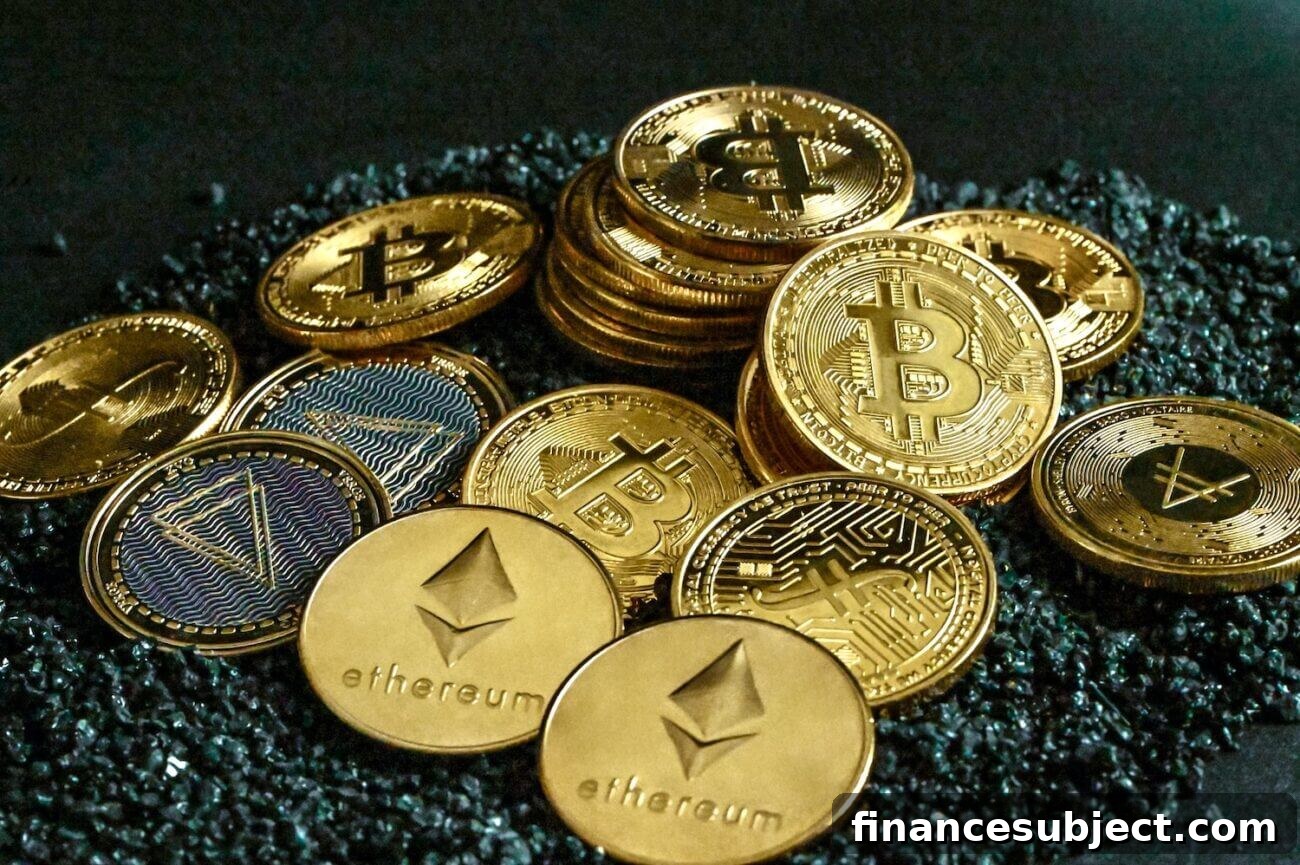
I want to invest in crypto, but I’m worried about its long-term prospects since it’s not widely used as currency. When do you think we’ll be using crypto like cash, and which cryptocurrencies are mostly likely to survive?
—Denise
Which crypto should I buy today for the long term?
Denise, thanks for the thoughtful question. You’ve touched on two separate but related issues: whether cryptocurrencies will ever function like everyday cash, and which projects are likely to endure over the long term. I’ll break these down and offer practical ways to evaluate long-term potential.
First, it’s true that cryptocurrencies are not commonly used like physical cash. Many people are hesitant to spend crypto because of volatility and the fear of missing out on future gains — the well-known “pizza guy” story is a reminder of how quickly value can change. As a result, many investors treat major cryptocurrencies more like digital stores of value than as payment media.
In practice, when people use crypto for payments they often rely on stablecoins — digital tokens pegged to a fiat currency — because they reduce volatility for everyday transactions. Stablecoins like USD Coin (USDC) and Tether (USDT) are widely used as a bridge between crypto ecosystems and traditional currencies, especially for trading, remittances and decentralized finance (DeFi) operations.
There are exceptions to the limited use of crypto as cash. A couple of countries have declared Bitcoin legal tender, and in those places it can be used more like conventional currency. Beyond national policy, adoption is also rising at the merchant level: some payment processors and online platforms now allow merchants to accept Bitcoin and other cryptocurrencies, and some retailers have explored enabling crypto payments as part of their checkout options. That said, broad, everyday cash-like usage remains the exception rather than the rule in most economies.
Buying NFTs with crypto
Where crypto does act like cash today is inside its own ecosystems. Smart-contract platforms such as Ethereum and Solana power marketplaces for non-fungible tokens (NFTs), digital collectibles, decentralized applications and numerous other services. On these platforms, the native coins — for example, ETH on Ethereum or SOL on Solana — are required to pay transaction fees, buy NFTs, participate in decentralized applications and settle on-chain transactions. In that sense, you are using crypto as a medium of exchange within a digital economy.
So, while crypto’s role as physical-world cash is limited, its use as a transactional tool within blockchain ecosystems is well established and continues to expand. Over time, if onboarding becomes easier, fees become lower and regulatory frameworks become clearer, we could see more widespread real-world payments. Until then, expect crypto to remain a mix of store-of-value asset and internal transactional currency inside crypto networks.
Which cryptocurrencies will survive?
Predicting which cryptocurrencies will survive is difficult, but a few guiding principles can help you assess long-term prospects. Historically, the most established networks — Bitcoin and Ethereum — have the most resilience due to large user bases, deep liquidity, developer ecosystems and broad recognition. These factors make them more likely to persist through market cycles.
Beyond the big names, many projects arise every month, and only a fraction will survive. Some projects with strong communities and use cases have nonetheless failed when token mechanics or incentives were flawed, so you must evaluate both the technology and the economics behind any project.
Two key criteria to assess a crypto project are:
- Utility: How much real activity happens on the blockchain? Are people using it for payments, applications, NFTs, decentralized finance or other meaningful services? High and growing on-chain activity is a better signal than hype alone.
- Tokenomics: Is the native token essential to the ecosystem, and does it serve multiple useful roles? Tokens that are used to pay fees, secure the network, stake for governance or access services offer more durable demand than tokens with few legitimate uses.
For example, a token that functions as a means to pay transaction fees, a unit of exchange within applications, a staking asset for network security and a governance instrument has a stronger foundation than a token that only exists as a speculative asset. Projects with transparent supply rules, sensible incentive alignment and active developer communities tend to have better odds of long-term survival.
Keep in mind that even surviving projects can be extremely volatile. Past performance is no guarantee of future results. Before investing, make sure you understand the protocol’s purpose, its competitive landscape, the team and developers involved, its economics (supply rules, emission schedule, staking mechanics), and the regulatory risks that may affect it. As always, do your own research and invest only what you can afford to lose.

Jeremy Koven is the Chief Operating Officer and a co-founder of CoinSmart, a Canadian cryptocurrency trading platform.
Further reading on crypto
- Watch: 10 cryptocurrencies you need to know about
- How long should you hold a cryptocurrency investment?
- DeFi vs. NFTs: Which should you invest in?
- Trading tools that can raise your crypto game
This article is sponsored.
This is a paid post that is informative but may also feature a client’s product or service. These posts are written, edited and produced with assigned contributors.