

Dealing with credit card debt usually requires a practical, multi-step approach. Below are several effective strategies for earning more, cutting spending and saving money—plus one option some Canadians might not realize is worth considering: switching to a balance transfer credit card that offers a low or even 0% introductory interest rate.
These five proven tactics can help you reduce credit card balances more quickly and regain control of your finances.
1. Stick to a budget
A budget is simply a clear record of your income and expenses. For salaried workers, income tends to be predictable. If you freelance, run a small business or have multiple income streams, estimate monthly earnings by averaging invoices and other payments.
List your regular monthly costs next. Begin with essential categories such as rent or mortgage, groceries, and transportation. Then add recurring bills like utilities and insurance, followed by discretionary spending—dining out, clothing, streaming services and entertainment. Subtract total expenses from total income. Any surplus should be directed toward debt repayment and, where possible, savings. If your expenses exceed your income, identify nonessential areas to cut so you can start reducing debt and ultimately build emergency savings and investments.
Using a budgeting tool or spreadsheet can simplify this work and make it easier to track progress over time.
2. Free up money
Even a small monthly surplus makes a difference—so look for ways to free up additional cash. The fastest route is to trim unnecessary spending: cancel unused subscriptions, compare utility plans, and eliminate redundant services.
If your schedule allows, increasing income is another effective lever. Consider asking for additional hours or a raise at work, taking on a part-time job, or launching a side gig. Selling unused items, monetizing a hobby, or offering a freelance service can generate extra cash earmarked for debt repayment. Be realistic about what you can manage without burning out.
3. Pay more than the minimum
Credit card statements always show a minimum payment that keeps your account current, but paying only that amount prolongs repayment and dramatically increases interest costs. Whenever possible, pay more than the minimum each month. Larger payments reduce the principal faster and limit interest that accumulates on outstanding balances.
Interest compounds: you pay interest on interest when balances remain unpaid, which can cause debt to grow quickly. By paying extra, you reduce compounding and shorten the time it takes to eliminate your balance.
4. Use either the snowball or avalanche method
Choose a debt-repayment approach that fits your temperament and financial goals. The snowball method focuses on eliminating the smallest balance first. Paying off a smaller card quickly creates momentum and frees up funds to tackle the next debt. This approach works well for people who benefit from frequent wins and visible progress.
The avalanche method prioritizes debts with the highest interest rates. While it may take longer to clear the first account, the avalanche method minimizes total interest paid and is the most cost-efficient path to being debt-free. If you can sustain focus without rapid early victories, this method typically saves the most money.
5. Switch to a balance transfer credit card
One of the most powerful tools for managing credit card debt is a balance transfer card. By moving high-interest balances to a card offering a lower promotional rate—sometimes as low as 0% for a limited period—you stop the rapid rise of compound interest and gain breathing room to pay down principal.
When evaluating a balance transfer offer, compare three key factors:
- the promotional interest rate
- the balance transfer fee
- the length of the promotional period
For example, some balance transfer offers include a 0% promotional rate for 12 months with a one-time transfer fee. That gives you a full year to pay down transferred balances without accruing new interest, after which a standard rate applies. A well-timed transfer can drastically reduce the interest you pay and accelerate repayment.
Balance transfers are not a cure-all: consider the transfer fee, the required timing to qualify for the promotional rate, and how quickly you can realistically pay down the transferred amount. If you manage these details, a balance transfer can be a valuable tool to break the cycle of rising interest charges.
Paying down credit card debt takes discipline and a plan. Use these five strategies to increase income, cut unnecessary spending, and apply targeted payments that reduce interest costs and shorten the path to being debt-free.
MBNA True Line Mastercard
The MBNA True Line Mastercard is positioned for cost-conscious cardholders: it has no annual fee and a lower-than-average interest rate on purchases. For people considering balance transfers, this type of card can offer an attractive blend of low ongoing rates and a promotional transfer window.
MBNA True Line Mastercard
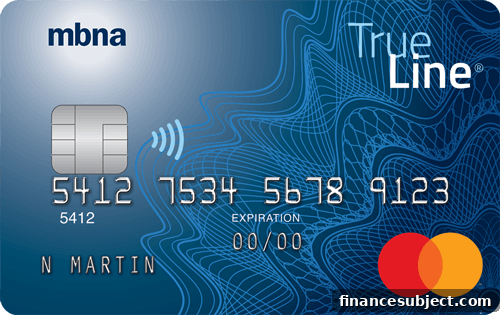
Annual fee: $0
Balance transfer offer: Receive a 0% interest rate for 12 months on balance transfers completed within the promotional period. Terms and eligibility apply.
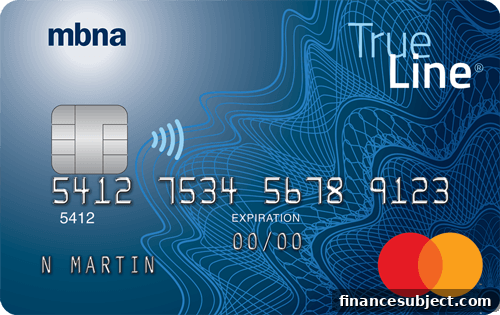
Card details
| Interest rates | 12.99% on purchases, 24.99% on cash advances, 17.99% on balance transfers |
| Income required | None specified |
| Credit score | 660 or higher |
Read more about credit cards:
- What is a credit card balance transfer and how it can save you money
- How to lower your credit card interest rate
- How to earn more credit card rewards
- What to know before applying for your first credit card
This article is sponsored.
This is a paid post that provides informative content and may feature a client’s product or service. The piece was produced by the publisher with contributions from assigned writers.