
What caught my eye this week.
How are you feeling today — happy, sad, anxious, or upbeat?
Is the countdown to Euro 2024 lifting your spirits, or are you already dreading a month of football on TV?
Mind if I ask how old you are?
Age-appropriate emotions
For years, the idea of a happiness “smile curve” — a U-shaped pattern in which people are happier when they are young and again when they are old, with a dip in midlife — has been a familiar theme on personal finance blogs. That midlife slump was often blamed on mortgage stress, demanding jobs, and raising children.
The U-shaped curve became popular in FIRE (financial independence, retire early) circles as extra motivation to push through difficult middle years toward greater freedom later on. But recent research suggests that curve has shifted.
Why the curve is changing
Researchers David Blanchflower and Alex Bryson report that the global pattern of happiness across age groups has changed: young adults are now, on average, the least happy group. This shift began in the mid-2010s as Generation Z entered adulthood.
There are many explanations offered across the political and cultural spectrum:
- Some point to structural inequality and continued prejudice as drivers of despair among young people.
- Others argue that shifting family structures and values have left young adults without clear life scripts.
- Environmental concerns make the future feel uncertain and alarming for many.
- Critics of technology highlight how smartphones and social media flood users with global comparisons and curated content that intensify anxiety.
- Older generations sometimes blame identity politics for rising grievances.
- And those focused on money warn that housing costs, rent, and the tax system squeeze young incomes.
All of these factors contribute to the picture, but the rise of smartphones and social platforms seems to be a central catalyst. They amplify awareness of injustices and obstacles while compressing complex issues into bite-sized, often polarised content. In short: young people are often more aware of problems but less equipped with nuanced information about them.
Student-grant philosophising
When I was in my twenties, talking earnestly about global injustice at a party usually earned puzzled looks. You had to seek out long reads, documentaries, or books to gain deeper perspective — it wasn’t served up in endless short clips. Today, reminders of global suffering are omnipresent, arriving as social-media posts and quick videos.
It’s encouraging that younger generations care more than previous ones did at that age. They speak with moral clarity about many issues. But when you ask what should be done, the answers are often less focused. That combination — constant exposure to moral outrage without clear, practicable responses — can foster helplessness and deepen anxiety.
Walking back to happiness
In my experience, aging brought a greater sense of calm. Whether through immunity to constant gloom or a shift to different priorities, happiness often returned with time. Young people may yet follow a similar path, but today’s economic pressures and social transformations make that journey harder. For some, the prospect of never affording a home or finding stable relationships in an online dating world compounds the sense of bleakness.
I may sound like a curmudgeon, but I admire the younger generation’s concern for the world. I only wish their outrage were paired with more sustained inquiry and clearer ideas for change.
Apologies to anyone under 30 reading this — despite my gripes you remain a close second for favourite generation, just behind my own Gen X.
Please share your view on this trend in youthful angst so we can all learn. Have a great weekend!
From Monevator
FIRE update: third anniversary — Monevator
Buying the Great British boot sale — Monevator [Mogul members]
From the archive-ator: Cash is king, or cash is trash? — Monevator
News
Note: Some items below are news headlines; in desktop view you may need to click through to read full stories.
Eurozone cuts interest rate for the first time in five years — BBC
Tribunal cases to rise as UK firms push back on home working — Guardian
Monzo posts first profit even as credit losses rise — Evening Standard
Raspberry Pi prepares for London Stock Exchange float — CityAM
Shein reportedly set to file for a large London float — Sky
LSE proposes a big screen outside headquarters to showcase success — FT (search result)
Baillie Gifford cancels remaining literary festival sponsorships — Guardian
Imperial College London ranks ahead of Oxbridge in a global university list — Yahoo
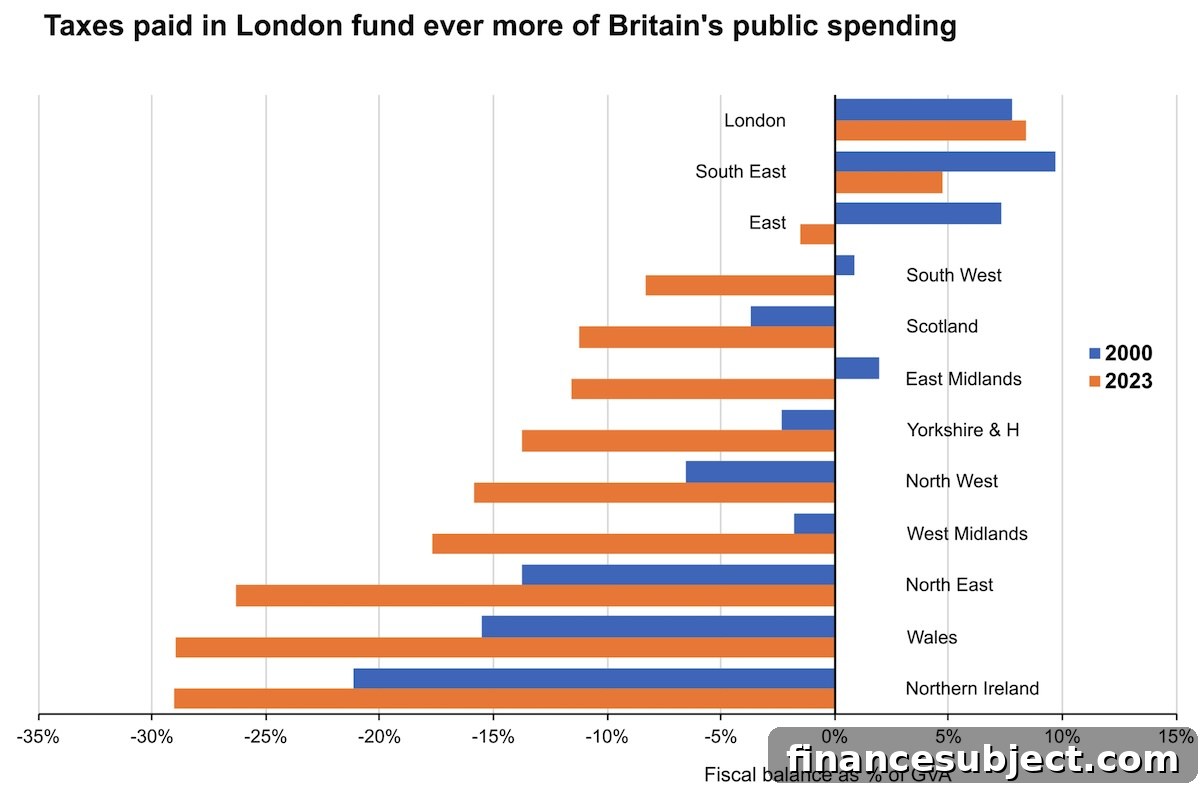
“Taxes paid in London fund ever more of Britain’s public spending. Twenty five years ago the English Midlands were net contributors to the Treasury. Now they are more dependent on fiscal transfers than Scotland…” – Tom Forth (via social media)
Election section mini-special
Tories promise tax cut for parents to “boost families’ financial security” — Sky News
Concerns over a potential “70% tax trap” for middle-income households under proposed reforms — Telegraph (via MSN)
Labour plans to make the Tory mortgage guarantee scheme permanent — BBC
Statistics watchdog criticises Tory claim about Labour tax rises — LBC
Questions over whether Labour’s GB Energy plan can future-proof the UK’s power sector — Guardian
How a Lib Dem plan for free personal care would work — This Is Money
Fact checks on taxes, NHS waiting lists, and small boats claims — BBC
Could future governments cap ISA savings at £100k? — This Is Money
Products and services
The DIY builders who created 36 affordable homes — Guardian
New details emerge about Revolut’s fraud complaint processes — Which
Queues form as new banknotes featuring the King are released — Guardian
Promotional offers: cashback for opening certain investment accounts — terms and fees apply
Ways to get the most from Amex Reward points — Be Clever With Your Cash
Bank trials “super-ATMs” to serve communities with limited cash access — Guardian
Is the new Leon coffee subscription worth it? — Be Clever With Your Cash
Homes for sale with wartime connections — Guardian (gallery)
Comment and opinion
Don’t be a hero — Humble Dollar
Why index tracker dominance isn’t an immediate worry — Financial Bodyguard
How high-tax Britain changed the meaning of wealth — Telegraph (via Yahoo Finance)
Is maximising credit card rewards worth the effort? — Of Dollars and Data
Decumulation, deliberations, and dilemmas — Simple Living in Somerset
“You will never run out of money, because your rational…” — Financial Samurai
Savers criticise government handling of state pension top-ups — This Is Money
Dreaming of retiring abroad? It’s harder than you think — FT (search result)
Setting the record straight on stocks for the long run — CFA Institute
Retirement thinking mini-special
The psychology of retirement spending — Morningstar
“Why am I so afraid to accept it’s time to retire?” — Guardian
Rewiring how we think about retirement — Humans vs Retirement (podcast)
Naughty corner: Active antics
The hunt for truly alternative investments — FT (search result)
Valuing Scottish Mortgage’s private investments — Proactive
Multi-strategy hedge funds face criticism over inexperienced staff — eFinancialCareers
On the fence — Humble Dollar
Do mothers-in-law matter? — Klement on Investing
Kindle book bargains
A Man for All Markets by Edward O. Thorpe — £0.99 on Kindle
Doughnut Economics by Kate Raworth — £0.99 on Kindle
Taxtopia by The Rebel Accountant — £0.99 on Kindle
The $100 Startup by Chris Guillebeau — £0.99 on Kindle
Environmental factors
Six things to know about new anti-greenwashing rules — Which
Nature groups launch legal action over wildlife loss — BBC
Global heat records continue to break — Axios
A Welsh nursery grows seagrass to restore marine habitat — Guardian
Calls for investigation into potentially harmful scampi sourcing — BBC
What it will take for leaders to take climate change seriously — The Conversation
Robot overlord roundup
Big tech growth has slowed; AI is not an automatic fix — Sherwood
How AI could democratise creativity — Om Malik
Inside DeepMind’s efforts to understand its own systems — Semafor
Five ways AI can influence modern dating — The Conversation
How AI might affect the next economic crisis — Axios
Off our beat
A doctor discovers a live goldfish in a garden — BBC
Russia reportedly tries to disrupt the 2024 Paris Olympics — Microsoft blog
On the merits of “lazy work” — Morgan Housel
How viral moments like “the dress” marked a turning point online — Vox
Thoughts on a nomadic lifestyle — Humble Dollar
Why Hungary is small in historical perspective — Uncharted Territories
Rethinking American views on immigration — The Atlantic (via MSN)
Pop-culture note: J Lo cancels — The Leftsetz Letter
Why Lithuania is a great place to be young — Guardian
What a Nobel laureate wants you to know about RNA and vaccines — CNN
Melissa Thompson’s barbecue recipes — FT (search result)
And finally…
“The longer you can look back, the farther you can look forward.”
– Winston Churchill, Churchill: Walking With Destiny
If you enjoy these curated links, consider subscribing to receive them weekly. This article previously contained affiliate links and references to recommended resources.