
What caught my eye this week.
While I’ve previously argued that running a large interest-only mortgage can make sense for some, I remain a strong opponent of consumer debt in general.
The first piece of advice I give almost everyone who asks about their finances is simple: clear non-mortgage debt first.
It still surprises me how many people carry high balances, even when they earn reasonable incomes.
There are exceptions. You can reasonably defer paying some student loans, and in some cases financing a car makes sense — though buying used is almost always the cheaper route. 1
In most situations, however, debt is a drag. It turns compound interest into a burden instead of an advantage, and it can be mentally exhausting and demotivating.
Celebrate good – and bad – times
That’s why I was intrigued by a piece that encourages people to view being in debt through a different lens: The Money Principle published an article about the surprising benefits of “celebrating” your debt.
Author Maria Nevada still urges readers to “demolish” debt as soon as possible, but she also suggests reframing the experience. Instead of dwelling on shame or failure, she recommends treating debt as a turning point that can add meaning and momentum to your story.
Once I stopped letting the misery of debt define me and started celebrating progress, things began to change.
I felt empowered rather than defeated.
I felt hopeful instead of hopeless.
Paying off our debts became a purpose — something to work toward and celebrate — not a life sentence.
If you want to pay off debt and shape the life you want, it’s possible. Resist negativity and focus on the opportunities this challenge gives you. Celebrate the progress and the lessons, not in a forced cheeriness, but as a real recognition that this chapter can change you for the better.
Read the full article if you’re currently tackling debt — it offers practical motivation as well as perspective.
The only way out of debt is up
After 14 years of writing Monevator, I’ve come to appreciate how powerful stories are when it comes to changing behaviour around money. Data and calculators are valuable, but stories make ideas feel real and achievable.
My own route to financial independence started with a compound-interest calculator, and that analytical start shaped this site. Yet most people respond better to human stories — a clear narrative that shows the arc from struggle to success.
My co‑blogger has done a brilliant job documenting his path to early retirement and what followed, which resonates with readers who want to see a real-life blueprint rather than just abstracts.
I recently told a friend — someone who has long struggled with budgeting and saving — about how I met The Accumulator and how differently he handled money in the past. He used to spend freely and carry debt. Hearing about his transformation sparked real interest.
A few days later she was asking about online investing platforms and taking small steps toward change.
I’ve never found a way out of debt
Some people will dismiss the idea of “celebrating” debt, calling it a psychological trick or an excuse. I get that reaction. I’ve personally been fortunate to always save a bit from an early age, going back to my first paper round at 13.
But who is more likely to inspire someone currently struggling with debt: a person who never had to try, or someone who fought their way out and can share the tactics and mindset that worked?
For many, the latter is far more convincing. Real stories of transformation show that change is possible and provide practical steps to follow.
So whatever your starting point, congratulations for deciding to get better with money. Small, steady wins add up. Three cheers for the start of your journey to being good with money — and have a great weekend.
From Monevator
Survival of the fittest when it comes to ESG returns – Monevator
How much do I need to retire? – Monevator
From the archive-ator: Don’t waste money buying expensive gifts – Monevator
News
Note: Some links are Google search results — in desktop view you may be able to read the piece without a paid subscription. Try private/incognito mode to avoid cookies. If you read these outlets frequently, consider subscribing.
UK prices are rising at the fastest rate in nearly a decade — BBC
Used car prices are up sharply year-on-year — ThisIsMoney
Rents are increasing at the quickest pace in 13 years — BBC
Higher interest rates could slow the housing market, says Nationwide — Guardian
HMRC chief defends new data collection, saying it will benefit taxpayers [Search result] — FT
Banks may have to refund victims of transfer scams under new legislation — Which
British Land plans to convert idle shopping centres into delivery hubs — Guardian
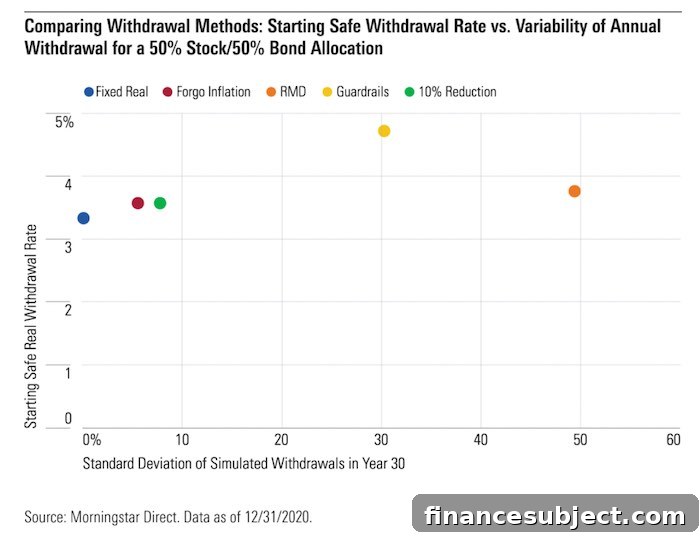
Reassessing ‘safe’ withdrawal rates for coming decades — relevant for many retirees — Morningstar
Products and services
RCI Bank launches a ‘green’ 14‑day notice account paying 0.55% — ThisIsMoney
Six ways banking apps can help you manage bills and subscriptions — Which
Open a SIPP with Interactive Investor and pay no SIPP fee for six months. Terms apply — Interactive Investor
Tired of being monitored while working from home? Consider a ‘mouse jiggler’ — Amazon
Looking to back startups? Sign up via my referral and we can each get a £50 bonus — Seedrs
Homes for sale near the UK average price of £270,000, in pictures — Guardian
Comment and opinion
Everyone’s a renter — A Teachable Moment
America’s booming economy is colliding with inflation worries — Ben Carlson
Cashflow matters above all — Meaningful Money
Crypto in schools: Lucy Kellaway on the rise of kids’ fascination with crypto [Search result] — FT
Three lessons from a couple who turned side hustles into a $3m business — CNBC
Too much stuff, too little space? Tips for decluttering — One Frugal Girl
Wrestling for money: the financial side of a niche sport — Humble Dollar
The UK’s recovery without a consumer boom — David Smith
The stock market isn’t the same as the economy — Compound Advisors
Thoughts on spending — Indeedably
Frugal versus cheap — The Frug
Deviation mini-special
Tactical allocation vs. index investing: evidence and perspective — T.E.B.I.
Why high active share funds are hard to justify — Morningstar
Factor investing deep dive [Video/podcast] — Alpha Architect
Naughty corner: Active antics
Why portfolio turnover can be beneficial — Albert Bridge Capital
Case study: trading SThree — UK Dividend Stocks
The rise of media-first professional investors — Neckar’s Insecurity Analysis
The case for UK equity income investment trusts — ThisIsMoney
Should you invest in a start-up? [Search result] — FT
Investing lessons from a 1906 classic — Novel Investor
Covid corner
Booster jabs to be added to England’s Covid pass for travel — Guardian
Austria plans mandatory vaccinations from February — CNBC
A new Delta-related subvariant spreads more quickly but causes fewer symptoms in some studies — CNBC and Independent
Kindle book bargains
Talking to My Daughter: A Brief History of Capitalism by Yanis Varoufakis — £0.99 on Kindle
Exponential: How Accelerating Technology Is Leaving Us Behind by Azeem Azhar — £0.99 on Kindle
Happy Sexy Millionaire: Unexpected Truths about Fulfillment, Love, and Success by Steven Bartlett — £0.99 on Kindle
Environmental factors
The planet’s sanitation challenges and how they affect public health — Slate
Opportunities in UK energy storage investment — DIY Investor
Off our beat
Why side projects sometimes need to end — Josh Brown
How to leave your job with dignity and minimal regret — Fast Company
How to build staying power if you don’t want to quit — Guardian
Singapore’s tech utopia and the surveillance concerns it raises — Rest of World
Photographs of abandoned former USSR sites — Guardian
And finally…
“Don’t look for the needle in the haystack. Just buy the haystack!”
– John C. Bogle, The Little Book of Common Sense Investing
If you enjoy these curated links, subscribe to receive them every Friday. This article contains affiliate links, such as to Amazon and Seedrs; we may be compensated if you pursue offers, but that won’t change the price you pay.
- At least that’s usually true, when a global pandemic hasn’t sent secondhand prices soaring.[↩]
- Some articles may only be accessible via search results on desktop; switching your mobile browser to request the desktop site can sometimes bypass paywalls. On Chrome for Android: open the menu and choose “Request Desktop Site”.[↩]