

In the April 2016 issue of MoneySense we introduced Lindsay Tithecott, a 29-year-old determined to pay down debt, build an emergency fund and save toward a larger condo. Over the coming year she will take a new financial challenge every two weeks to tighten her budget and develop better money habits. Track her progress here and use the tips to shape your own budgeting and saving strategy.
Challenge No. 1
Lindsay’s everyday expenses are relatively modest, but one category stands out: fitness. She spends about $3,260 a year on a mix of ballet, kickboxing, gym fees, a personal trainer and other activities. For this first challenge we asked her to track how often she actually uses each service over two weeks and to evaluate whether each expense delivers sufficient value. Then she prioritized which fitness services were essential and which could be reduced or paused temporarily to free up cash for debt repayment and savings.
Lindsay’s experience
Over two weeks I recorded every fitness session to see what I could realistically cut. To my surprise, rather than wanting to trim back, I found myself appreciating how each activity contributes to my routine, mood and social life. Still, I made a few deliberate choices to reduce costs without sacrificing the parts of fitness that matter most to me.
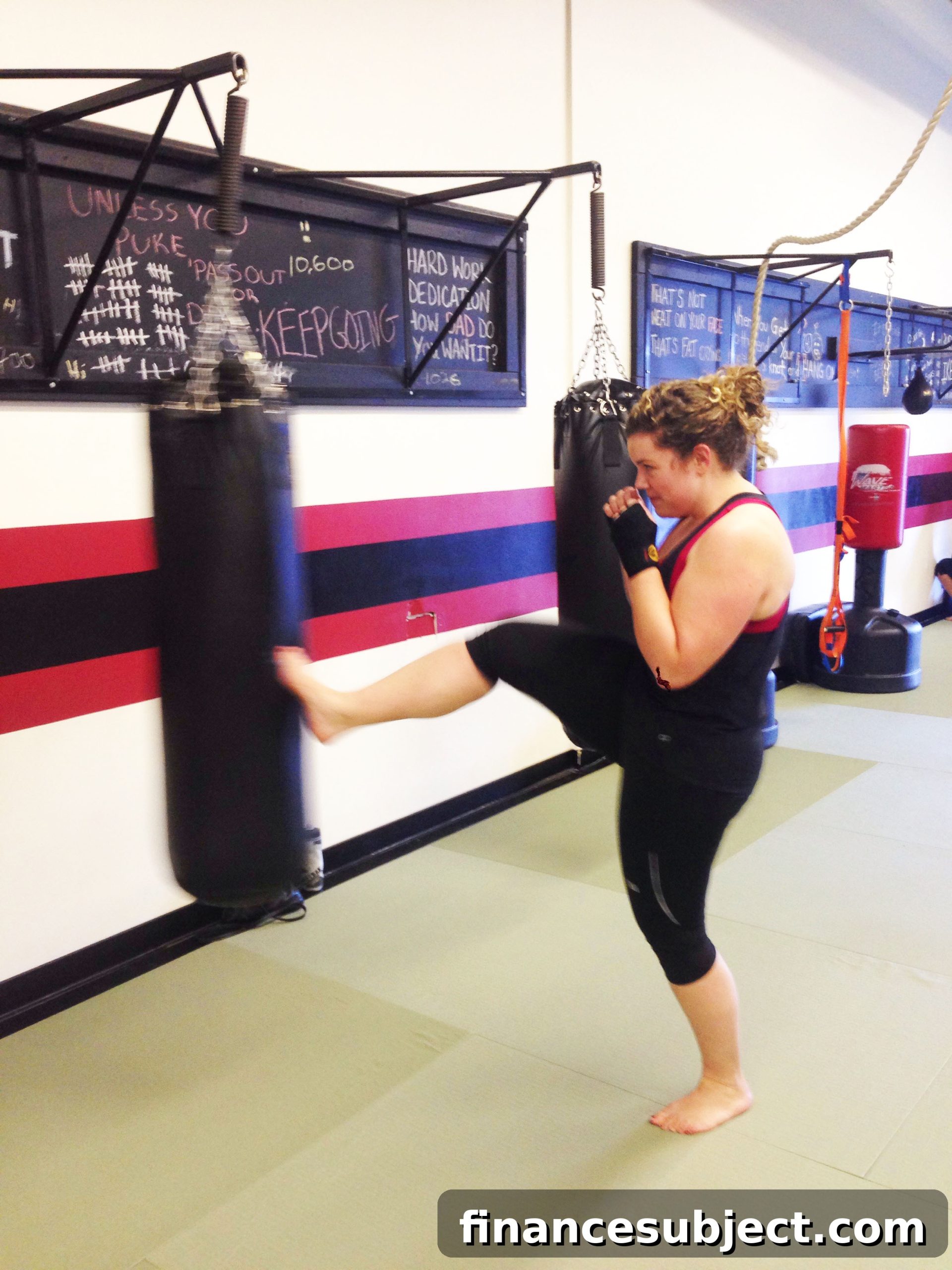
Kickboxing is the first activity I reviewed. A friend and I usually substitute a kickboxing class for our monthly dinner out. Classes cost $11 each and attendance is flexible. Even though the per-class cost can add up, the endorphin boost and social connection make it worthwhile. I don’t want to give these sessions up.
Personal training with Tara is another high-value item in my budget. Tara helps me push hard while avoiding injury, and the regular appointments keep me accountable—honestly, without that structure I’m likely to skip workouts. My trainer costs about $2,300 a year, and I feel the investment pays off in fitness, confidence and consistency. Ideally I’d love to increase sessions to twice a week at some point, but for now I’m keeping them as is.
Then there’s ballet, which has been part of me since I started at age five. Ballet seeps into my everyday life—I find myself standing in fifth position while waiting to cross the street or doing a tendu while chatting with coworkers. Because of work and other commitments, however, I don’t attend classes as regularly as I’d like. To free up cash without permanently losing a beloved activity, I’ve decided to pause ballet for the last term of the year. It’s a temporary break that will save about $260—money I can put toward debt or an emergency fund.
After tracking my activities, I realized I’m not ready to give up kickboxing or personal training. Stepping back from ballet for a short period is the only fitness-related cut I can tolerate. If I need to save more in the future, I’d sooner curb discretionary shopping—particularly shoes—before I remove more of the fitness experiences that keep me healthy and happy.
Follow Lindsay on Instagram at @ltithecott.
What the expert says
“Managing cash flow is always about prioritizing,” says Heather Franklin, a certified financial planner in Toronto. “This exercise helped Lindsay identify the spending categories she values most and those she can trim. That’s a basic but powerful budgeting move.”
Franklin notes that Lindsay’s choice to prioritize experiences—fitness classes and training—over material purchases aligns with a sustainable approach to personal finance when it reinforces well-being. At the same time, a personal trainer is a relatively expensive line item. Franklin recommends that Lindsay periodically reassess whether the trainer’s cost still fits her financial goals, especially as debt decreases or income changes.
Clothing, and shoes in particular, emerged as a promising area to cut. “Recognizing that shoes are an easy place to reduce spending is constructive,” Franklin says. “If Lindsay can redirect a portion of that budget toward debt repayment or savings while keeping the fitness routine she values, she’s making meaningful progress.”

Ready for your own financial makeover? The Money Fit Club offers practical steps to curb overspending, increase income, reduce taxes and build savings. Use an interactive calendar to structure small, consistent actions throughout the year and consider subscribing to a weekly newsletter for ongoing tips and accountability.
Small, intentional changes—like pausing a single class or tightening discretionary spending—can free up money for debt repayment and long-term goals. Follow Lindsay’s challenges to see how incremental adjustments add up and to pick up budgeting strategies you can apply to your own finances.