
You and I are often advised to put our money into simple portfolios and to invest in shares for the long term for retirement. That advice is sound for most of us. But once preserving capital becomes more important than growing it, different approaches come to the fore.
For the very wealthy, the preservation of wealth usually means prioritising stability and continuity over chasing the highest possible returns. That typically involves:
- Broad diversification even if it lowers potential returns
- Reducing volatility across the overall portfolio
- Allocating to real assets such as property and gold
- Investing in illiquid and unlisted companies and securities
- Careful planning to reduce tax risks
In practice, it’s uncommon for the ultra-rich to rely solely on an index tracker, a savings account and a pile of government bonds. Their aims and constraints are different: they want to protect wealth across generations and against uncommon but severe shocks.
Risky businessmen
First, a quick clarification about the type of wealthy individuals we’re discussing. These are not simply those who recently crossed a modest millionaire threshold, but people with substantial fortunes — figures well into the tens or hundreds of millions. Often they include the lower rungs of lists of the nation’s richest.
Not every very rich person pursues preservation through extensive diversification. Many self-made entrepreneurs retain large stakes in the businesses they founded, which means their net worth can swing considerably with the fortunes of a single company. Even highly diversified billionaires often keep meaningful positions in their original ventures. For example, influential founders may continue to hold sizeable shares in their companies for long periods, accepting concentrated exposure because they remain confident in the business or because of how they accumulated their wealth.
People who built fortunes by taking calculated risks are frequently comfortable continuing to take risks afterward. That explains why some ultra-wealthy individuals maintain concentrated holdings, private investments or stakes in new ventures rather than converting everything into broad, passive portfolios.
At the same time, many newly wealthy people make mistakes. Poor advice, overconfidence and the lure of high-risk ventures can quickly erode fortunes. Professional athletes and entertainers, for instance, sometimes lose wealth through ill-advised investments, excessive spending and yielding control of financial decisions to unsuitable advisers. Their experience is a cautionary tale: staying wealthy usually requires disciplined planning and sober advice, not just high income.
How an old money dynasty stays wealthy
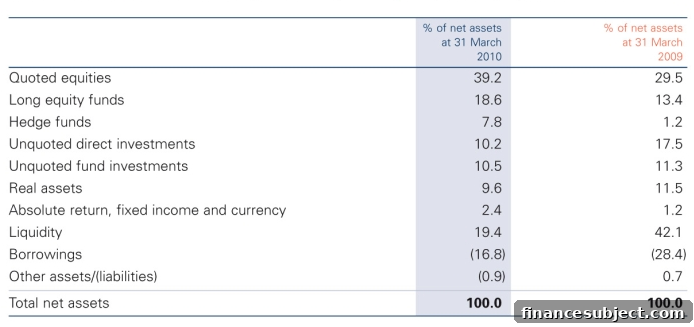
We’re most interested in families and institutions that consistently preserve wealth across generations. A revealing example is the investment approach of long-standing family trusts and investment companies. These organisations publish reports that show how they spread capital across many holdings, asset classes and geographies in order to limit dependency on any single outcome.
One clear feature of these strategies is active allocation to unlisted and real assets: farmland, private businesses, stakes in media or publishing, and minority holdings in diverse industries. Another is currency diversification, which helps protect purchasing power and value when global markets and exchange rates shift. The aim is not to guess short-term currency moves but to reduce the risk that a single currency or market collapse would damage the family’s long-term position.
Diversification is everything
Ultimately, the key to preserving significant wealth is extensive diversification on multiple fronts:
- Asset class diversification — Holding a mix of property, bonds, public and private equities, commodities, and tangible assets such as art, antiques and intellectual property. This vertical spread protects against the failure of any one asset class.
- Manager and instrument diversification — Within each asset class, assets are spread across multiple fund managers, different baskets of securities, and a range of instruments to reduce manager- or security-specific risk.
- Geographic and currency diversification — Allocations across countries and currencies limit the impact of any single nation’s political, legal or currency turmoil.
- Legal and political diversification — Wealthy families often pay particular attention to tax planning, legal protections and political risk. This may involve holding some assets offshore, owning real assets in different jurisdictions, and structuring holdings to withstand regulatory or tax changes.
These measures are about guarding against a wide array of potential failures — from business collapse to currency shocks or adverse policy changes. For families intent on maintaining wealth across generations, the combination of diversified holdings, careful legal and tax structures, and disciplined stewardship is the most reliable path.
Practical guidance from long-established wealth holders on preserving capital will appear in future commentary. If you want to follow that advice, consider subscribing to ongoing updates and analysis.
(Image by: Hamed)