

When it comes to money and personal finance, women still face systemic disadvantages—and many are understandably fed up. The five books reviewed here are aimed at shifting that balance by giving women practical tools to build, protect and grow their wealth. Whether you’re coping with job loss, debt, divorce, parenthood or global disruption, these clear, actionable guides offer strategies for financial resilience and long-term planning.
Girls Just Wanna Have Funds by Emma Due Bitz, Camilla Falkenberg and Anna‑Sophie Hartvigsen
Penguin Random House Canada; hardcover $26.72, e-book $13.99
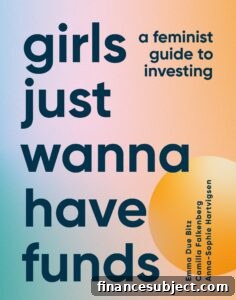
From childhood allowances to boardroom representation, gender shapes how women learn about and manage money. The founders of the global education platform Female Invest—Camilla Falkenberg, Emma Due Bitz and Anna‑Sophie Hartvigsen—wrote this book to help women change those patterns by taking control of their finances.
Girls Just Wanna Have Funds breaks financial empowerment into three practical stages: prepare, invest and grow. The first section explains how to organize daily finances and create a budget that balances essentials, lifestyle and “future you” (savings and investments). The second section demystifies investing—what stocks, ETFs and mutual funds are, how they differ and basic calculations to guide decisions. The book also includes many short profiles and personal stories that show diverse financial paths, making complex topics feel accessible and relevant.
If your goal is to gain confidence about investing and start using financial tools to build wealth, this book is a friendly, action-oriented primer that emphasizes learning and long-term growth.
The Great Money Reset: Change Your Work, Change Your Wealth, Change Your Life by Jill Schlesinger
Penguin Random House Canada; hardcover $38.04, e-book $16.99
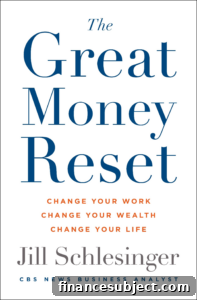
The pandemic made many people reassess priorities, careers and what a fulfilling life looks like. Jill Schlesinger’s The Great Money Reset offers a balanced, strategic approach for anyone contemplating major change—quitting a job, starting a business, retiring early or negotiating new work terms—without acting on impulse.
Schlesinger blends conversational writing with real-life examples, including her own transition from financial planner to broadcaster, to show how thoughtful planning reduces risk. The book presents pragmatic steps: assess your financial position, tighten spending, negotiate work arrangements, build contingency reserves and invest prudently. These techniques help you pursue change in a financially sustainable way, whether you want an incremental shift or a larger transformation.
This is an especially useful read for anyone ready to rework their career and finances but who wants a clear framework to make those changes responsibly.
No‑Regret Decisions by Shannon Lee Simmons
Harper Collins; softcover $22.99, e-book $13.99
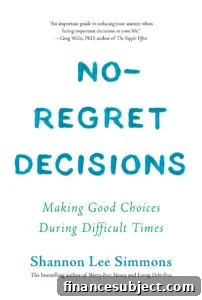
No‑Regret Decisions focuses on decision making during stressful, uncertain times. Shannon Lee Simmons shares how she paused during lockdowns to reduce panic and make choices that would serve her future self, then developed those instincts into a repeatable method for clients.
The book is organized around three life phases—panic, messy and the “next normal”—and offers a Decision Crisis Playbook that helps readers create calm, rational plans instead of reacting emotionally. Through client case studies covering divorce, job loss and other disruptions, Simmons shows how to identify values, weigh risk and design manageable steps forward.
Rather than insisting on a rigid, forever financial plan, Simmons encourages adaptable planning: keep long‑term goals but build the flexibility to respond to short‑term challenges. The result reads like a hybrid of life coaching, career strategy and money management—practical guidance for making clearer, less regrettable choices.
The Pink Tax by Janine Rogan
PageTwo Books; launching May 2023
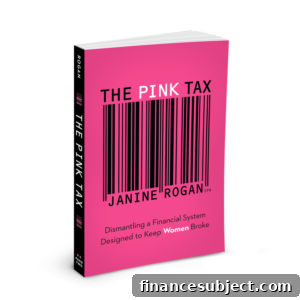
The phrase “pink tax” describes the higher prices and financial penalties women often face across many products and services. Janine Rogan’s book examines how gendered pricing, wage gaps, motherhood’s impact on earnings and confidence about money combine to disadvantage women financially.
The book is structured to provoke and inform: facts and case studies illustrate why many readers will feel outraged, and chapters then point to practical steps and resources women can use to protect their financial futures. Rogan covers universal tips—prioritizing savings, avoiding holding investments in cash, improving credit scores and automating contributions—alongside issues that disproportionately affect women, such as navigating maternity leave, divorce and the financial aftermath of domestic violence.
The Pink Tax is both an eye‑opener and a call to action: by understanding the specific financial pressures women face, readers can make more strategic choices and advocate for greater fairness.
Financial First Aid by Alyssa Davies
Union Square & Co; softcover $23.99, e-book $8.99

Alyssa Davies, creator of the Mixed Up Money blog, argues that emotions can be useful in financial planning when they’re channeled productively. Financial First Aid shows how anxiety and insecurity can be transformed into preparedness—through emergency funds, intentional savings habits and simple, repeatable routines.
The book offers practical guidance for handling money emergencies: sudden job loss, medical setbacks, natural disasters and the small everyday shocks that can derail a budget. Davies shares her own turnaround—from negative net worth to a positive position—and provides checklists, chapter summaries and templates that make the advice easy to apply in real life.
Readable from start to finish yet structured for quick reference, Financial First Aid is a compact toolkit for building financial resilience and staying on track when life gets unpredictable.
Further reading on personal finance:
- “COVID made me do it”: Taking stock of pandemic money decisions
- The best financial apps for Canadians
- Five money hacks to reduce credit card debt
- The MoneySense Find a Qualified Advisor tool