
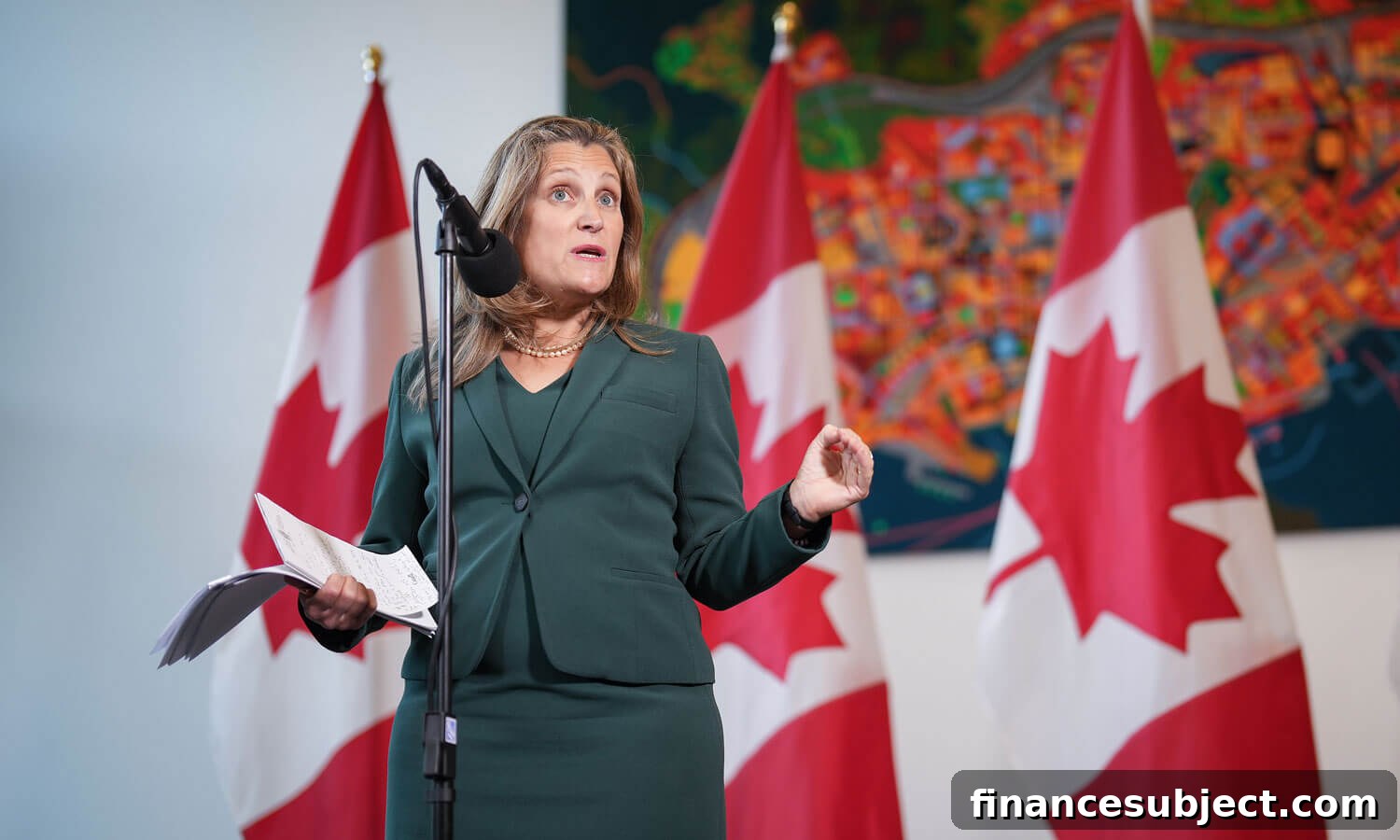
Finance Minister Chrystia Freeland has announced changes to federal mortgage rules intended to help more Canadians, especially first-time buyers, enter the housing market. Speaking to reporters, Freeland said the measures — set to take effect in December — will make home ownership attainable for a larger share of young Canadians and others trying to buy their first property.
How much do Canadians need for a down payment?
One of the central changes raises the price cap for insured mortgages for the first time since 2012. The cap will increase from $1 million to $1.5 million, allowing additional buyers to qualify for mortgage insurance and to purchase homes with less than a 20% down payment.
Freeland said this adjustment will have a meaningful impact for thousands, and potentially millions, of households. By raising the insured mortgage ceiling, more buyers in higher-priced markets can access mortgage insurance programs that enable smaller down payments and broader financing options.
What can you buy with a 30-year mortgage?
The government is also expanding eligibility for 30-year amortizations. Previously limited to certain categories, the extended amortization period will now apply to all first-time homebuyers regardless of the type of property they purchase, and to anyone buying a newly built home. The change builds on an August 1 update that already included first-time buyers of newly constructed homes.
Extending the amortization period is intended to lower monthly payments for qualifying buyers by spreading repayment over a longer term. The government says this gives first-time buyers a better chance to afford homeownership while reflecting current housing market realities.
Freeland rejected suggestions that these policy changes will simply inflate housing prices. She argued the new insured mortgage cap is meant to keep pace with Canada’s economic growth and the increased size of the national economy. “It needs to keep up with the increase in the size of the Canadian economy,” she said, characterizing the move as a recognition of economic reality rather than a price driver.
Bill of rights for Canadian home buyers
Justice Minister Arif Virani announced draft proposals for two bills of rights: one for renters and one for homebuyers. Both were commitments in the federal budget released five months ago. The rental bill draft focuses on preventing harmful practices such as “renovictions,” where tenants are evicted under the pretext of renovations so landlords can raise rents afterward.
On the homebuyer side, the proposed measures aim to increase transparency in real estate transactions. Ottawa plans to make historical sales prices available through title searches and to take steps that protect potential buyers from blind bidding processes that can disadvantage those shopping for a house.
Virani emphasized fairness in access to housing: “What we find is important is ensuring that there’s a level playing field when you’re trying to rent a place to live, or to actually get to the stage of buying a home,” he said, underscoring the government’s intent to work with provinces to implement these protections.
Changes to mortgage rules in Canada
Government officials have described the announced measures as some of the boldest mortgage reforms in decades, coming amid ongoing public concern about high housing costs. The Liberal government has faced criticism for affordability issues, particularly among younger adults who often cite the inability to purchase a home as a core concern.
Freeland also said the government plans to table a Fall Economic Statement, though she did not provide a date. Observers note that such a parliamentary move could carry political implications, because of a recent change in supporting agreements in the House of Commons. When asked whether Ottawa is considering a home-equity tax on primary residences above a certain value, Freeland said the government is “absolutely not” pursuing that option.
Additional resources on mortgages
- The complete guide for first-time home buyers in Canada
- Understanding five-year fixed mortgage rates in Canada
- Understanding five-year variable mortgage rates in Canada
- How to use a mortgage affordability calculator