
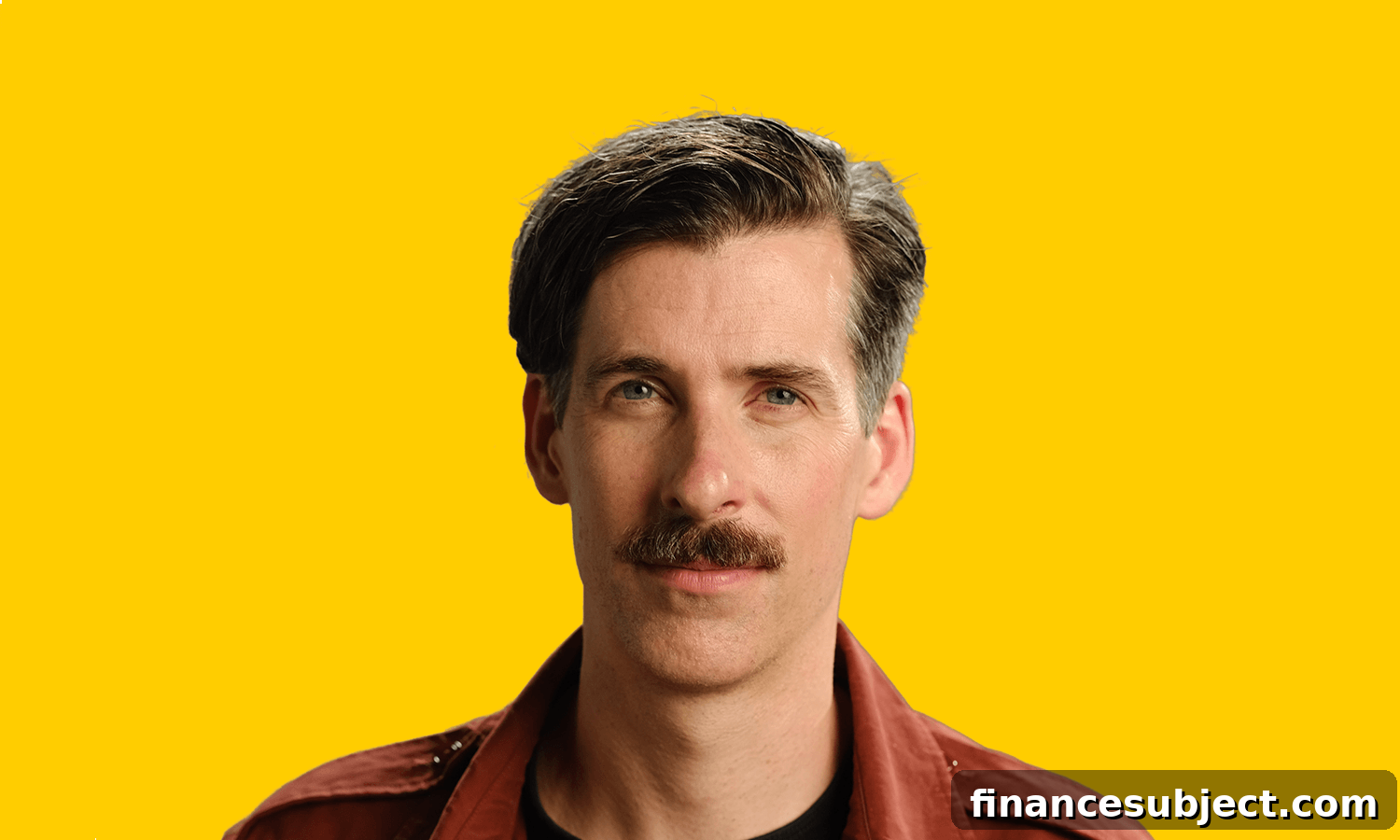
Shane Murphy is the CEO of Ownr, the platform that has simplified incorporation, registration and compliance for more than 100,000 Canadian entrepreneurs. Before becoming Ownr’s CEO, Murphy founded Founded Technologies, a company focused on automating legal tasks for businesses—such as incorporations—which Ownr acquired in 2020. Below, Murphy shares his approach to finding meaningful work, why diversifying income matters, and how entrepreneurship can lead to financial freedom.
Who are your money heroes?
I don’t have single money heroes, but I deeply respect people who reach their financial goals while doing work that matters to them. To me, the ideal balance is creating value and building a life that feels purposeful—financial success that complements, rather than replaces, meaningful work.
How do you like to spend your free time?
I enjoy playing guitar, going for bike rides and walking Boutros, our 170‑pound Black Russian terrier. These activities help me recharge and stay creative away from work.
If money were no object, what would you be doing right now?
Not much would change. I’d still seek out interesting projects and collaborate with enthusiastic people who want to make a difference. For me, the work itself and the people involved are more important than any paycheck.
What was your earliest memory about money?
When I was about six I got into my first financial dispute. My older brother collected cans and bottles to redeem deposits, and when I found out I wanted a share too. My dad ended up settling which son deserved future returns. Looking back, I like to joke that this was early training in negotiation—though at the time I probably just cried until I got half.
What’s the first thing you remember buying with your own money?
Music was important to me as a kid. I bought a Guns N’ Roses cassette when I was nine or ten because my parents wouldn’t buy it for me. It felt like a real moment of independence.
What was your first job?
I delivered flyers for several years in my Calgary neighbourhood. I spent that modest income on hockey cards and music—two passions that stuck with me through my teens.
What was the biggest money lesson you learned as an adult?
Running my own business taught me the value of a long‑term approach. Building an asset—something you own and can grow—can be far more rewarding than chasing a bigger salary as an employee. The payoff comes from sustained effort and compounding value over time.
What’s the best money advice you’ve ever received?
Keep business and personal assets separate. Clear boundaries protect both your personal finances and the health of your company, and they make decisions and planning simpler as the business grows.
What’s the worst money advice you’ve ever received?
Telling entrepreneurs to raise capital at any valuation without regard to dilution. Accepting funding without considering how much ownership you’ll retain can leave founders with very little stake in the company when it comes time to exit.
Would you rather receive a large sum of money all at once or a smaller amount every week or month for life?
I’d prefer a lump sum now to use as fuel to build a business. Investing the capital into launching or accelerating a venture is not only potentially more profitable but also far more engaging than passively receiving recurring payments.
What do you think is the most underrated financial advice, tip or strategy?
Diversify your income streams. Whether through a side hustle or varied roles, having multiple sources of income increases financial resilience and sometimes leads you to opportunities that are both more lucrative and more fulfilling than expected.
What is the biggest misconception people have about growing money?
Many aspiring business owners assume you need a massive financial investment to start a company. While capital needs vary by industry, plenty of businesses can be started with very low upfront cost—sometimes as little as registering your business for under $50—especially when you leverage smart tools and digital infrastructure.
Can you share a money regret?
I regret not becoming an entrepreneur sooner. Every day I’m still learning about running a business and making mistakes; hindsight shows I could’ve gained valuable lessons earlier if I had taken the leap sooner.
What does the word “value” mean to you?
Value for me means enabling people to do meaningful work. At Ownr we use technology and automation to remove repetitive tasks so people can focus on creativity and impact. That shift—from routine work to high‑value work—is where real value is created and burnout is avoided.
What’s the first major purchase you made as an adult?
Investing in my education was the first major financial decision I made. It provided skills and perspective that paid dividends throughout my career.
What’s your take on debt?
Debt is a useful tool when used deliberately. Many startups shy away from borrowing, but on appropriate terms it can protect founders’ equity and help the business grow without giving up ownership prematurely.
What was your most recent splurge?
My partner and I recently upgraded our home offices. It’s a modest renovation but worthwhile—hybrid work appears to be a lasting change, and having a dedicated, comfortable workspace improves productivity and wellbeing.
What is the last money-related book you read?
For Profit: A History of Corporations by William Magnuson (Basic Books, 2023). It’s an unexpectedly engaging overview of how business structures and the pursuit of money have evolved over thousands of years.
What is something you always have in your wallet?
My Presto transit card.
What is your favourite possession?
My guitars. I collect them and go through phases where a different one becomes my favourite—each instrument carries its own tone and memories.
What’s your next money goal?
To keep growing Ownr and to support Canadian entrepreneurs in achieving financial freedom through small business creation and ownership. Helping founders build sustainable businesses remains my core focus.
My MoneySense quick questions
Rent or own?
Own, if you can.
Buy or lease?
Buy, if you can.
Save or invest?
Invest—especially for entrepreneurs. Invest in your business and invest in yourself.
Budget or not?
Always budget, but stay flexible when meaningful opportunities arise.
More from My MoneySense:
- From the C-suite of Nicky Senyard and Alana Levine: Letting go of money’s power, the worst advice and more
- Reni Odetoyinbo on why you should pay yourself first and have multiple streams of income
- Mixed Up Money’s Alyssa Davies on striving for CoastFIRE, the value of time, and more
- Wes Hall explains the biggest money myth and the value of a well‑tailored suit
- Mallory Greene on building wealth, leveraging debt and spending without guilt