
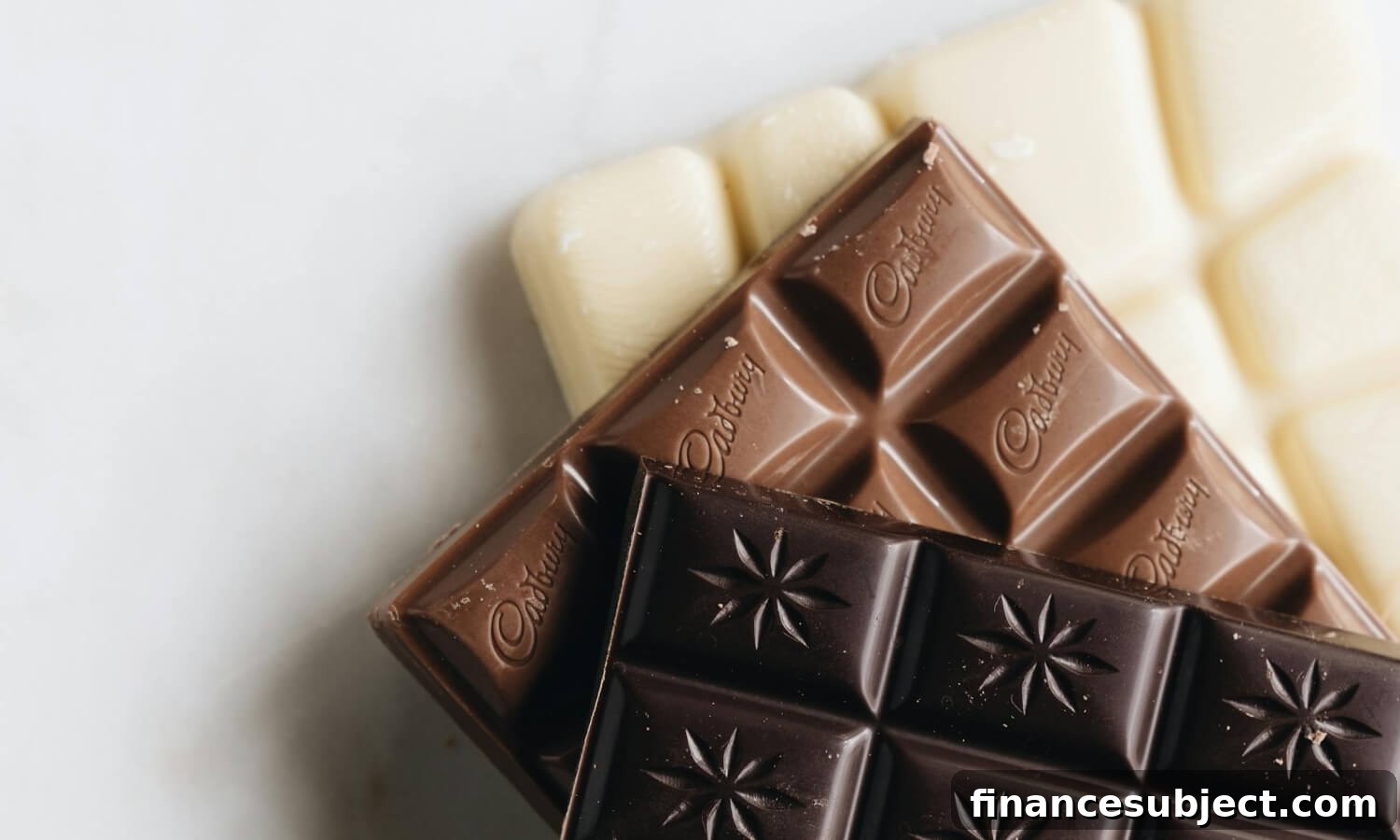
Chocolate is a popular treat for holidays like Easter, Hanukkah and Diwali, but its price has risen sharply. Retail chocolate in Canada currently ranges from about $19.92 to $66.41 per kilogram ($9.03 to $30.12 per pound), according to food sourcing platform Selina Wamucii. Statistics Canada also reports that confectionery prices rose more than 9% between January 2023 and January 2024, while overall grocery inflation grew roughly 3.4% over the same period.
Many ingredients go into a chocolate bar—sugar, milk and other flavorings—but the ingredient that gives chocolate its name, cocoa, is under particular strain. A combination of supply constraints, climate pressures and labour challenges has driven cocoa costs higher, and industry analysts warn that lower-cost chocolate could remain scarce for some time.
What makes cocoa so expensive?
The short answer is: there isn’t enough cocoa to meet global demand. More than half of the world’s cocoa is produced in just two countries, Côte d’Ivoire and Ghana, and if you include the broader West African “cocoa belt” the region accounts for roughly 80% of global supply. That geographic concentration makes the global market highly sensitive to local problems.
Low farm incomes are a key factor. Many cocoa farmers earn extremely little, which forces some to abandon farming or seek other uses for their land. A 2023 report from Corporate Accountability Lab noted wages for hired workers in Côte d’Ivoire are very low—often under a few dollars a day—leading farmers to rely on family labour or to lease land for other activities such as informal mining, which can reduce long‑term farm productivity.
At the same time, growing conditions in West Africa have become more unpredictable. Weather patterns tied to events like El Niño have increased temperatures and disrupted seasonal rainfall, while dry spells and irregular rains harm tree growth. Plant diseases such as swollen shoot, spread by insects, have also damaged cocoa trees in affected areas. When a region that supplies the majority of the world’s cocoa experiences these combined stresses, prices on global markets rise quickly.
Price volatility has been dramatic. Cocoa futures that traded near around USD $2,500 per tonne last summer approached nearly USD $10,000 per tonne on the New York exchange earlier this year. Meanwhile, global demand remains strong—market analysts project steady growth in chocolate consumption in the coming years—so upward price pressure is likely to continue unless supply improves.
Canadian shoppers face additional pressures beyond raw cocoa costs. Canada’s grocery market is relatively concentrated, and the country’s large geography increases transportation and distribution costs, all of which can contribute to higher retail prices for food, including chocolate.
What type of chocolate is the most expensive?
The cocoa shortage affects all chocolate types, but the impact varies with how much cocoa a product contains. Dark chocolate typically contains a higher percentage of cocoa solids—often between 50% and 90%—so bars and confections with a high cocoa content will generally see larger price increases. Milk chocolate contains less cocoa, usually in the 10% to 50% range, so its price sensitivity to cocoa cost changes can be somewhat lower. Both types use cocoa butter as well, which is also affected by cocoa supply.
Is white chocolate expensive, too?
White chocolate does not contain cocoa solids, so it avoids the direct effect of a cocoa‑bean shortage. However, it still uses cocoa butter in many recipes and relies heavily on sugar and dairy ingredients—both of which have seen cost pressures. So while white chocolate may be less affected than dark chocolate by cocoa bean shortages, it is not immune to broader inflationary trends in confectionery ingredients.
Major manufacturers and retailers have acknowledged passing some higher costs to consumers. Companies such as Hershey and Mondelēz have pointed to rising cocoa costs as a factor in pricing decisions, and large grocery chains have warned investors and customers that increases in commodity prices—including cocoa and sugar—will affect retail pricing.
Where can you find a good deal on chocolate?
If you want to stretch your budget this season, consider a few practical approaches. Avoid chocolate products that are very high in cocoa content if you’re looking solely for value, since those items are likely to be pricier. Shop early—seasonal surges around holidays can empty shelves and drive up prices. Use available tools like coupons, store loyalty programs and price-matching policies, and consider buying in bulk when it makes sense for storage and use.
Comparing unit prices (price per kilogram or per 100 grams) across brands and retailers can reveal better value even when sticker prices differ. Be mindful of special promotions and store-brand options, which are often more affordable than premium brands while still delivering acceptable taste and quality.
Newsletter
Get free MoneySense financial tips, news & advice in your inbox.
Read more about the cost of living:
- From groceries to flights to data plans: Why is Canada so expensive?
- The real cost of being single
- How to afford a fun life
- How much does it cost to raise a child in Canada?