
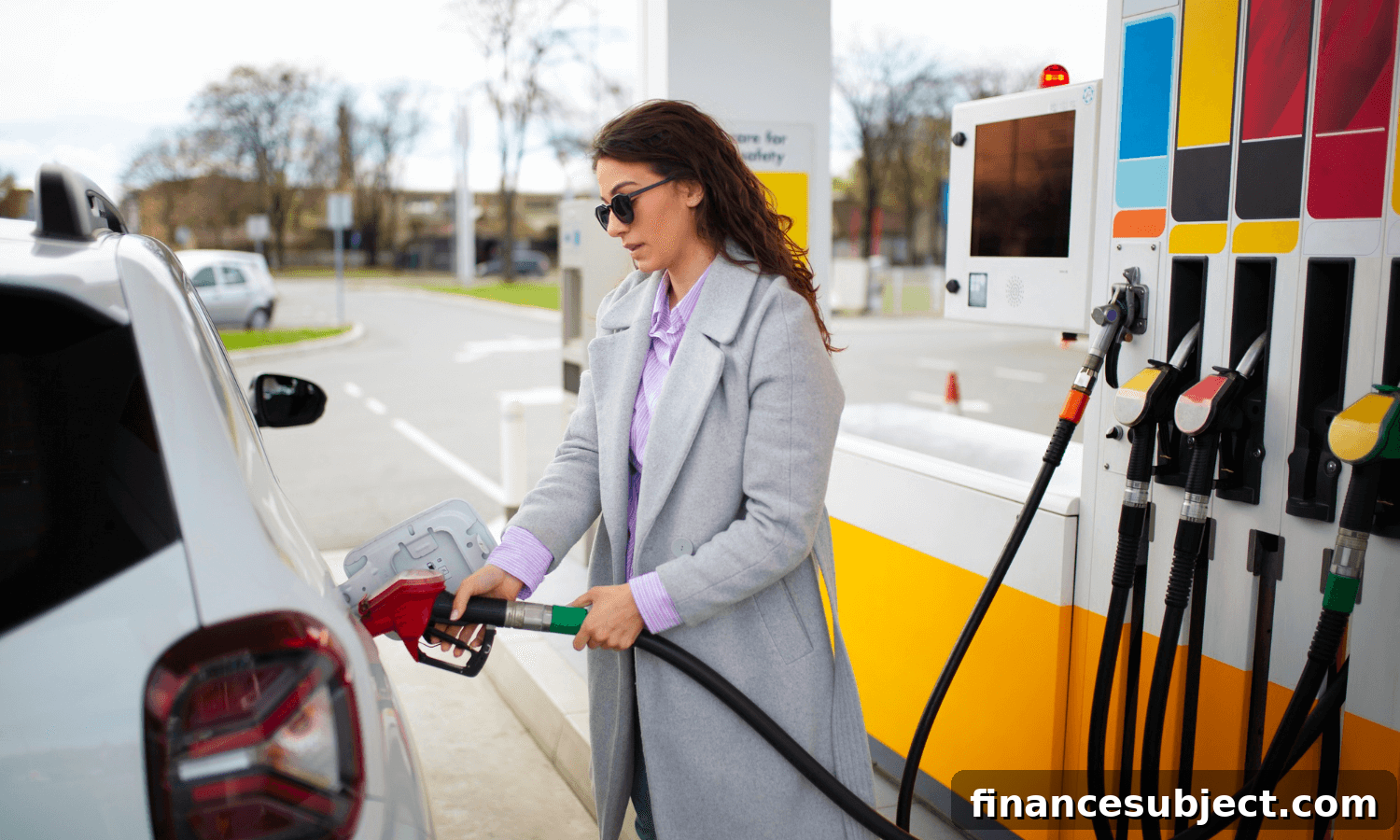
If you’ve been feeling sticker shock at the gas pump, you likely wonder why prices rise and fall throughout the year. Below is a clear overview of how much Canadians are paying for gasoline, what drives price changes, and practical tips to reduce your fuel costs.
How expensive is gas in Canada?
According to CAA’s daily gas price tracker, the national average was $1.68 per litre on May 2, 2024 — about six cents higher than the recent 30‑day low and roughly 12.3 cents higher than a year earlier. National averages, however, mask local volatility: on April 18, 2024, for example, Toronto saw prices jump from $1.65 to $1.79 per litre overnight.
That 14‑cent increase translated into significantly higher fill‑up costs depending on vehicle size — from an extra $7 for small cars to $35 for heavy‑duty trucks. While these spikes are painful, prices remain below the peak seen during the 2022 summer when the national average climbed to about $2.11 per litre, according to price trackers.
Regional differences are notable. The Canadian Fuels Association reported that Vancouver had the country’s highest average prices in 2023, followed by St. John’s, Charlottetown, Montreal and Halifax. Local supply constraints, provincial taxes and seasonal changes all contribute to such variation.
If you want to lower your fuel bill, there are straightforward strategies that can reduce consumption by 10–15% or more. First, though, it helps to understand what determines pump prices.
Resource highlight
Compare car insurance quotes and save
In under five minutes, compare personalized auto insurance quotes from Canada’s top providers.
Powered by ratehub.ca
Why do gas prices go up and down?
The price at the pump reflects many components: the global cost of crude oil, refining expenses, transportation and distribution, and taxes. Each stage adds cost and can vary by region, season and global events.
Understanding crude oil
Crude oil is the raw material for many products — gasoline, diesel, jet fuel, heating oil, asphalt and plastics. Extracting and refining crude is capital‑intensive: it requires heavy equipment, energy, skilled labour and complex logistics. Those costs, passed along the supply chain, help determine the retail price of fuel.
Economic conditions
Crude oil is a traded commodity whose price responds to global supply and demand, geopolitical developments, currency fluctuations and broader economic trends. Decisions by major producers such as OPEC, along with market uncertainty, can cause sharp swings in crude prices that ripple through to gasoline.
Supply disruptions
Interruptions to supply — from extreme weather, natural disasters, offshore production issues, refinery outages or transport bottlenecks — can reduce the flow of fuel to stations and push prices up, sometimes abruptly.
Rising demand for gas
Demand fluctuates seasonally and geographically. Cold weather, vacation travel seasons and economic growth all raise fuel consumption. Seasonal changes in fuel formulation also affect cost: switching from winter to summer gasoline blends often increases production costs, adding several cents per litre in many regions.
Fuel taxes vary from Halifax to Montreal to Vancouver
Taxes are a significant part of the pump price. The Canadian Fuels Association estimates that roughly 31% of the cost at the pumps, or about 49 cents per litre, comes from taxes. Federal and provincial excise taxes, the 5% GST, provincial sales tax or HST, and provincial fuel levies combine with carbon pricing to raise the retail cost of gasoline.
For example, Canada applies a federal excise tax on gasoline plus a carbon tax component. Provincial fuel taxes vary widely, with British Columbia split into zones where drivers in larger cities often pay more than those in rural areas. Many households receive climate‑action rebates, but the taxes still push up the visible price at the pump.
How does Canada compare on gas taxes?
Gasoline prices are often perceived as higher in Canada than in the United States largely because Canadian tax rates on fuel are higher. When taxes are excluded, gas prices in Canada and the U.S. have historically been similar. A comparison by the Canadian Fuels Association in early 2024 showed the U.S. with the lowest pump price among several countries, with Japan and Canada following closely in terms of the combined cost of fuel plus tax.
By contrast, many European countries show lower underlying fuel costs but much higher pump prices because taxes make up the majority of the retail price there.
How to save on gas right now
While market forces and taxes shape pump prices, drivers can still take practical steps to reduce fuel use and spend less.
Use cruise control
Maintaining a steady speed reduces fuel consumption compared with frequent acceleration and braking. Using cruise control on highways and steady stretches of road helps minimize speed fluctuations and can improve efficiency.
Look for cheaper gas
Prices vary by station and time of day. Use online price trackers or fuel‑price apps to find lower prices nearby. Consider credit cards that offer fuel discounts, cash back or rewards if you regularly fill at the same brand of station.
Check your tire pressure
Proper tire inflation improves fuel economy and extends tire life. According to the Tire and Rubber Association of Canada, keeping tires correctly inflated can improve mileage by up to about 3%. Driving with tires underinflated by several PSI can increase fuel consumption noticeably and cost drivers hundreds of dollars over a year.
Check tire pressure monthly when tires are cold, use the vehicle manufacturer’s recommended PSI — not the number on the sidewall — and address slow leaks or worn tires promptly.
Lighten your load
Every extra kilogram increases fuel consumption, and roof racks or cargo boxes create aerodynamic drag. Remove unnecessary items and external accessories when not needed to reduce weight and wind resistance.
Will gas prices go up tomorrow?
There’s no simple answer: crude oil markets are volatile and many variables — taxes, refining capacity, weather and geopolitics — affect prices. While Canadian taxes contribute to higher pump prices compared with some countries, drivers can still find savings through careful driving habits, proper vehicle maintenance and choosing lower‑priced fuel stations.
Newsletter
Get free MoneySense financial tips, news & advice in your inbox.
More about autos:
- Best used cars in Canada
- Should you take your vehicle to a car repair shop or a dealership?
- Why car insurance premiums are rising and what to do about it
- Your complete guide to getting the best car insurance in Canada