
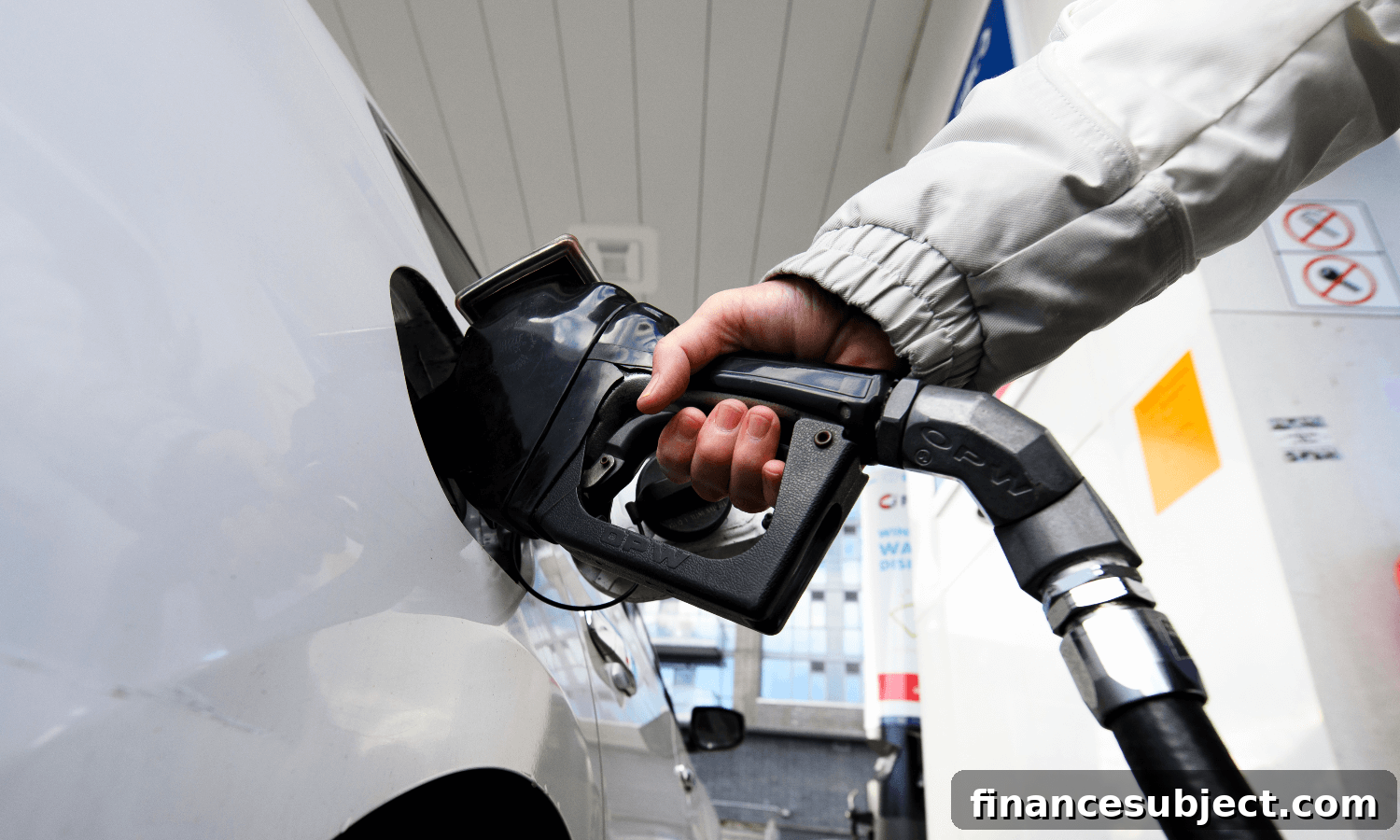
Prime Minister Mark Carney eliminated the consumer carbon levy as one of his first actions after taking office earlier this month. Beginning April 1, the price that everyday Canadians pay directly at the pump and on certain fuels for emissions is set to be $0.
Below is a practical guide to what Canadians can expect in terms of savings on fuel, utilities, groceries and rebates, and how quickly those savings may appear in household budgets.
What will Canadians save on fuel?
Patrick De Haan, head of petroleum analysis at GasBuddy.com, says drivers should see a noticeable drop in retail fuel prices within 24 hours after the carbon charge is removed. In theory, the reduction could match the full carbon portion of the price introduced in 2019.
Currently, the carbon price adds 17.6 cents per litre of gasoline. That amount should be reflected as a reduction at the pump, but the final price motorists pay will still depend on several other factors: global crude oil costs, currency and tariff impacts, regional supply and demand, seasonal changes in fuel formulation, and refinery maintenance cycles.
“There are multiple ways that consumers may not fully realize the (entire) savings, depending on the energy market,” De Haan notes, but he adds that most consumers are likely to see the bulk of the reduction in their fuel costs.
What will you save on utilities?
The retail fuel levy does not apply to electricity bills in most cases, but it does affect natural gas prices. The carbon charge on natural gas is about $4 per gigajoule. For a household that uses roughly 10 gigajoules per month—a common level of consumption for many Alberta homes—that change translates to an average reduction of around $40 on a monthly utility bill.
This impact is seasonal: the savings will be most visible during the winter months when natural gas consumption is higher and much less noticeable in the summer.
Some utilities have already updated their customer information. Enmax, the City of Calgary’s utility provider, states that the charge will not apply to natural gas used on or after April 1, though bills issued in the weeks following may still include charges for gas consumed through March 31. Enbridge Gas, which serves parts of Ontario and Quebec, has published a similar notice explaining that March usage will still appear on upcoming statements.
What to expect for food and grocery prices
Savings on groceries will generally take longer to reach store shelves, and the effect may be gradual. Most products on supermarket shelves were produced, purchased or contracted before the policy change, so retailers cannot immediately reduce retail prices based on today’s input-cost changes.
Kevin Grier, a livestock, meat and grocery market analyst in Guelph, Ontario, explains that when grocery chains renegotiate contracts with suppliers, the absence of the carbon price will likely be a factor. He expects retailers will push suppliers to pass back savings in future supply agreements.
How much and how quickly those savings are passed through will vary by product and by how competitive each market is. Over time, in a competitive retail environment, cost reductions at the supplier level tend to filter through to consumers, but that process can take weeks or months and will depend on contract structures and inventory cycles.
And what about the carbon rebate?
While the carbon levy was in effect, the government issued a quarterly Canada Carbon Rebate to households to help offset the increased costs. The final rebate is scheduled to be paid starting April 22 for taxpayers who filed their 2024 returns before April 2. Returns filed after April 2 will receive the rebate once their filings are assessed.
Rebate amounts varied by province. The largest quarterly payment cited was $456 for a family of four in Alberta. These final household rebates are part of the transition as the levy is removed.
At the same time, certain program changes will end with the 2024–25 fuel charge year: rebates that had been available to small businesses will cease, and a tax credit intended to help farmers offset pollution costs is also scheduled to end. Businesses and agricultural operators that previously relied on these supports should plan accordingly.
Newsletter
Get free MoneySense financial tips, news & advice in your inbox.
Read more economic news:
- Bank of Canada drops its key rate, points toward inflation and tariffs
- Canada’s unemployment rate—plus, the rate by province and city
- How to prepare for possible job loss in Canada
- Here’s the latest as the U.S. imposes tariffs on goods from Canada and Mexico