
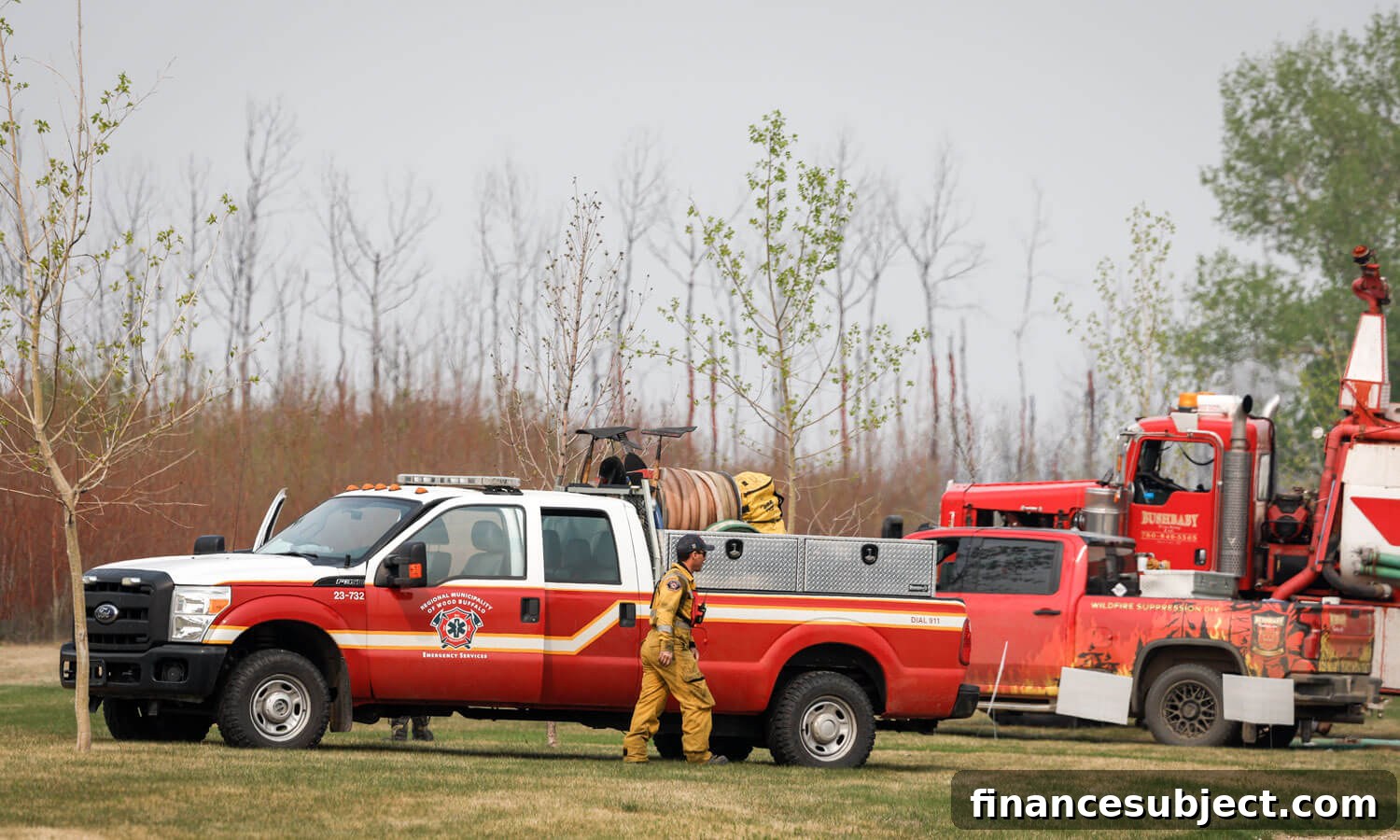
At Andrew Lake Lodge — a remote fly-in camp in the far northeast corner of Alberta — owner Dan Wettlaufer was preparing to welcome the first visitors of the season this weekend. He acknowledged, however, that the uncontrolled wildfire near Fort McMurray could disrupt the May long weekend and the start of the summer tourism season.
“There are no roads to our operations; everything is fly-in, fly-out,” Wettlaufer explained. “So depending on conditions at the locations we fly from, our ability to run trips can be affected. We do have bookings through Fort McMurray this weekend, but fortunately we can sometimes reroute flights through Edmonton or Fort Smith if needed.”
The travel industry dealing with the wildfires
Andrew Lake Lodge draws guests from across Canada, the United States, Europe and Asia seeking fishing, hunting and wildlife experiences in a largely untouched wilderness. The lodge sits roughly 400 kilometres northeast of Fort McMurray and is not directly threatened by the evacuation order issued for parts of that community. Still, Wettlaufer shares a broader concern across the tourism sector about how wildfire activity and smoke can ripple through bookings and operations.
Last year, smoke from fires in the Northwest Territories made takeoffs and landings dangerous at the lodge’s airstrip, forcing Wettlaufer to cancel or reschedule several clients. Beyond immediate operational challenges like evacuations and flight disruptions, he worries about longer-term reputational effects when international travellers conflate localized fires with the whole country.
“You can never out-market the news.”
“When people abroad hear about Canadian wildfires, many assume the entire country is affected,” he said. “We try to correct that perception, but it’s hard except with travellers who already know exactly where they are going.”
Wildfires in Canada
Last year was the worst wildfire season on record for Canada, with more than 100,000 square kilometres burned from the West Coast to the Atlantic provinces and the Far North. One of the most severe events occurred in British Columbia’s Okanagan Valley in August, triggering evacuation orders for more than 35,000 residents.
At Big White Ski Resort in the Okanagan, which relies on summer mountain biking, festivals and events in addition to winter tourism, senior vice-president Michael Ballingall said forecasts of another significant wildfire season could deter some visitors. “We’re already hearing people question whether it’s a good summer to come,” he said, echoing a worry common across tourism operators: negative headlines can be hard to overcome.
Canada’s PR issue with the wildfires
Marsha Walden, CEO of Destination Canada, the Crown corporation responsible for national tourism marketing, said last season’s dramatic fire coverage and the current fires in Western Canada influence perceptions of the country. However, Destination Canada research indicates that only about one in ten potential visitors would fully cancel a trip because of wildfire concerns. Most travellers tend to adjust timing or itineraries rather than abandon plans entirely.
Stavros Karlos of the Tourism Industry Association of Alberta emphasized that the rising frequency of wildfire and smoke events is a major concern for the sector. He highlighted the need for tourism businesses to have reliable, real-time information on wildfire activity and air quality so they can make rapid operational decisions—whether that means canceling events, adjusting hours, or moving activities indoors.
Ellen Walker-Matthews, CEO of the Thompson Okanagan Tourism Association, estimated that last summer’s fires likely cost the Okanagan region millions in lost tourism revenue, although a final tally was not yet available. She noted that smoke is particularly challenging for planning because it can shift quickly with changing winds, impacting one community one day and another hundreds or even thousands of kilometres away the next.
“Our focus is to promote what we have and ensure people understand the real-time situation,” Walker-Matthews said, adding that current forecasts for the Okanagan long weekend show pleasant weather and no nearby fire activity. “There are plenty of things to see and do, and if we communicate the facts accurately, tourism should remain strong.”
Topics related to the financial impacts of weather in Canada
- Does home insurance cover wildfire damage?
- How climate change is affecting home insurance coverage for wildfires, floods and other events
- Costs and considerations for backup power supplies for homes
- Does insurance cover water damage to a home?