
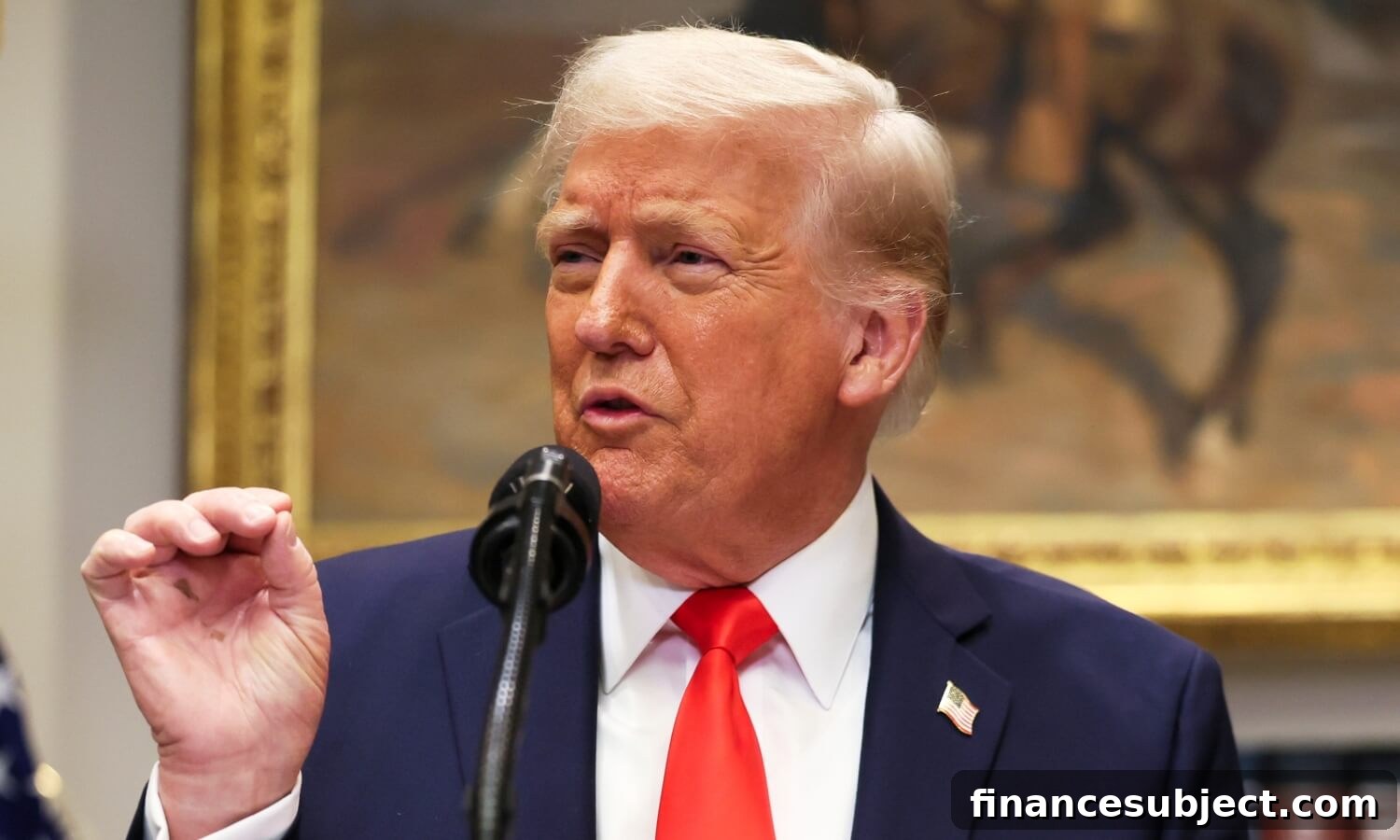
President Donald Trump has imposed tariffs on imports from Canada and Mexico. His executive order enacts a 25% across-the-board tariff on most goods from both countries, with a lower 10% levy on Canadian energy. The measures took effect at 12:01 a.m. ET.
In Ottawa, Prime Minister Justin Trudeau outlined Canada’s response: immediate 25% retaliatory tariffs on US goods worth $30 billion, with a further $125 billion of U.S. products to be targeted within 21 days, bringing the total countermeasures to $155 billion.
What’s happening with U.S. tariffs?
Here’s a summary of developments and reactions (times Eastern):
9:10 a.m.
Canada’s industry minister said the government will update the Investment Canada Act to allow scrutiny of foreign investments that may threaten Canada’s economic security, responding to concerns that vulnerable businesses could be targeted during the trade dispute.
8:20 a.m.
U.S. Commerce Secretary Howard Lutnick told Bloomberg TV he expects a further announcement from President Trump and repeated that the tariffs are tied to concerns about fentanyl crossing the border. He suggested some categories might be exempted and that sectors complying with the United States–Mexico–Canada Agreement could be treated differently.
March 5, 6:30 a.m.
U.S. stock futures indicated a possible rebound after comments from Howard Lutnick hinted at a potential compromise or adjustment to the tariff plan. Markets were volatile following the initial confirmation of the measures.
11:05 p.m.
President Trump defended the tariffs in a joint session of Congress, framing them as measures to strengthen the American economy and reiterating claims about U.S. subsidies to Canada.
9:20 p.m.
Public protests emerged at sporting events: fans in Edmonton booed the U.S. national anthem and voiced anti-Trump sentiments before switching to a collective rendition of O Canada. Similar reactions were reported at other events across the country.
8:40 p.m.
Energy and mines ministers from across Canada met and called for accelerating resource development and streamlining permitting to keep Canadian companies competitive and to meet global demand for critical minerals.
8:20 p.m.
Ontario Premier Doug Ford said he was contacted by Howard Lutnick after announcing he would impose a 25% surcharge on energy exports to some U.S. states; Lutnick reportedly asked the premier to reconsider. Ford said he would maintain the surcharge while tariffs remain in effect and has threatened further measures, including cutting power exports.
7:35 p.m.
Liberal leadership candidate Mark Carney said he would use any proceeds from Canada’s counter-tariffs to assist workers affected by the U.S. measures and confirmed multiple policy options remain under consideration, including broader responses involving energy and trade corridors.
6:30 p.m.
Foreign Affairs Minister Mélanie Joly indicated plans to speak with the U.S. Secretary of State and noted she had not yet been briefed on any specific U.S. proposals to adjust the tariffs, despite U.S. officials saying negotiations were ongoing.
6:20 p.m.
Northwest Territories Premier R.J. Simpson called the tariffs short-sighted and said the territory would strengthen its economic resilience by sourcing less from the U.S. He also urged federal inclusion of northern communities in national economic responses.
5:40 p.m.
Manitoba Premier Wab Kinew warned more countermeasures may follow if tariffs persist and signaled plans to restrict U.S. companies from provincial contracts, while keeping the possibility of cutting hydroelectricity exports on the table.
4:20 p.m.
Yukon Premier Ranj Pillai announced the Yukon Liquor Corporation will stop ordering U.S.-made alcohol and will remove American products from government liquor stores. The territory also offered $1 million to support businesses and encouraged local procurement.
4:10 p.m.
Howard Lutnick told Fox Business he expects Trump may seek a compromise “in the middle” and said the president will consider the free-trade agreement between the three countries. Lutnick reiterated that stopping fentanyl trafficking is central to the U.S. rationale.
3:50 p.m.
Saskatchewan Premier Scott Moe criticized the tariffs as harmful, saying they will raise costs for oil, potash and uranium and risk job losses. He urged Canada’s retaliatory measures to be measured and economically sound.
3:40 p.m.
Indigenous leaders warned of disproportionate impacts: Inuit, First Nations and Métis representatives said tariffs risk exacerbating food insecurity and longstanding economic disparities and urged that Indigenous interests be considered in federal responses.
3:35 p.m.
Industry groups cautioned about supply-chain disruption. The Forest Products Association said the tariffs break the terms of the Canada–U.S.–Mexico Agreement and will raise costs for construction and household goods, while the Canadian Chamber of Commerce urged rapid removal of the duties and broader internal trade reforms.
3:30 p.m.
Allianz Trade’s Canada CEO warned that homebuilding, food and automotive sectors could be immediately affected. He recommended cash-flow management, accessing financing, and finding local suppliers while urging governments to loosen interprovincial trade barriers.
3:10 p.m.
The National Association of Federal Retirees cautioned that tariffs will disproportionately harm Canadians on fixed incomes and called for policies that protect affordability across generations.
2:50 p.m.
The Canadian Live Music Association launched a “Canada is Live Music” campaign to promote local artists and venues and to highlight music’s cultural and economic importance amid the trade dispute.
2:40 p.m.
The president of the Canadian Association of Petroleum Producers said Canada’s trade relationship with the U.S. has shifted and urged policy changes to expand access to global markets for oil and gas.
2:30 p.m.
The CEO of Enbridge said a 10% tariff on energy would need to be long-lasting to shift crude flows and that the levy is unlikely to change his company’s near-term strategy. Industry groups stressed the need for infrastructure to reach other markets.
2:15 p.m.
The United Auto Workers called tariffs a tool to challenge trade deals it views as anti-worker and said it will seek to influence how auto-sector tariffs are applied to protect manufacturing jobs.
2:00 p.m.
NDP leader Jagmeet Singh described the tariffs as one of the most serious economic attacks on Canada, calling for an emergency parliamentary session and support measures for affected workers comparable in urgency—though not necessarily scale—to pandemic-era supports.
1:35 p.m.
Nunavut’s premier urged special consideration for the North in Canada’s response, noting the territory’s heavy dependence on imports for essential goods and infrastructure and encouraging residents to buy Canadian.
1:21 p.m.
Quebec Premier François Legault announced plans to remove U.S. wines and spirits from liquor-store shelves and to penalize U.S. companies bidding on provincial contracts if they are not established in Quebec.
1:08 p.m.
Manitoba offered businesses the option to defer provincial payroll and sales tax payments for at least three months to preserve cash flow and protect jobs while the tariff situation evolves.
1:00 p.m.
Target warned of “meaningful pressure” on profits and said shoppers would soon see higher prices for some produce from Mexico as a result of the tariffs and related costs.
12:30 p.m.
Conservative Leader Pierre Poilievre urged retaliation focused on products Canada can produce domestically and proposed tax cuts to offset domestic impacts of tariffs, suggesting most counter-tariff revenue should be returned through tax relief.
12:25 p.m.
Restaurants Canada requested exemptions from retaliatory tariffs for selected food items and packaging and recommended measures such as manufacturing credits, regulatory relief for packaging, and wage subsidies to limit job losses and price increases.
12:19 p.m.
Alberta Premier Danielle Smith called the tariffs an unjustifiable breach of the trade agreement and pledged provincial measures to respond. She urged collaborative action to remove interprovincial barriers, build pipelines and diversify export markets.
12:10 p.m.
British Columbia Premier David Eby announced province-level measures, including pulling some U.S. products from store shelves, and encouraged residents to buy Canadian and reconsider travel to the United States as part of a broader response.
12:12 p.m.
Ontario Premier Doug Ford announced cancelling a contract for Starlink internet services and plans to ban U.S. companies from provincial procurement while removing American alcohol from provincial shelves. He reiterated threats to surcharge or cut electricity exports if tariffs remain.
12:18 p.m.
Manitoba installed a large flag on the legislature as a backdrop to the government’s announcements and confirmed it was pulling U.S. alcohol from government stores while promoting a “buy local” campaign.
12:00 p.m.
Liberal leadership candidate Chrystia Freeland called the tariffs “illegal” and “unjustified,” proposing to dedicate counter-tariff revenue to workers and businesses and again suggested barring certain firms from federal contracts.
11:37 a.m.
U.S. Vice President JD Vance reiterated that the administration links the tariffs to fentanyl trafficking and criticized Canada’s efforts to stop the drug flow, despite official data showing limited seizures at the northern border.
11:30 a.m.
Analysts warned northeastern U.S. motorists could see rising gasoline prices quickly because of regional refining ties to Canadian crude, while refiners constrained to processing heavier oils may have limited options to switch supplies.
11:17 a.m.
The Canadian Trucking Alliance reported order cancellations and potential layoffs, noting that roughly 70% of goods trade between Canada and the U.S. moves by truck and that tariffs will likely disrupt the supply chain.
11:07 a.m.
Prime Minister Trudeau confirmed Canada will implement retaliatory tariffs, pursue dispute-resolution channels at the World Trade Organization and under CUSMA, and made a pointed public rebuke of the U.S. policy while emphasizing Canada’s resolve to defend its economy and workers.
10:56 a.m.
Homebuilders and residential construction groups warned that tariffs—and Canada’s own countermeasures—could increase materials costs, slow housing starts and exacerbate an already stressed sector.
10:49 a.m.
New Brunswick announced a provincial response package including $162 million in supports, emphasizing help for export-focused companies to retain staff and diversify markets amid expected impacts.
10:47 a.m.
Several U.S. advisers and politicians defended the tariffs as part of broader efforts to address drug trafficking and border security and urged trust in the administration’s approach despite market turmoil.
10:41 a.m.
Green Party leaders and other provincial premiers called for unity and significant countermeasures. Many provinces announced bans on U.S. liquor sales and restrictions on U.S. firms bidding on government contracts as immediate steps.
10:30 a.m.
U.S. Senate Democrats criticized the tariffs for making American consumers pay higher prices and questioned the effectiveness of targeting close trading partners instead of adversaries.
9:59 a.m.–9:00 a.m.
Business organizations, labour unions and some U.S. senators expressed concern about job losses, rising prices and broader economic disruption. Calls for coordinated federal and provincial action grew louder as officials and stakeholders outlined contingency plans and support measures.
8:30 a.m.–6:00 a.m.
Throughout the morning, industry groups, labour leaders and provincial governments urged a swift and strategic Canadian response, recommended measures to protect workers and supply chains, and emphasized the need to diversify markets and remove internal trade barriers. A KPMG survey showed strong business support for retaliatory tariffs, while many employers prepared for a prolonged period of uncertainty.
The situation remains fluid: federal, provincial and territorial leaders continue to coordinate policy responses, industry and labour groups are mobilizing supports, and discussions with U.S. officials are ongoing. Markets, supply chains and communities on both sides of the border are watching closely as the trade dispute develops.