
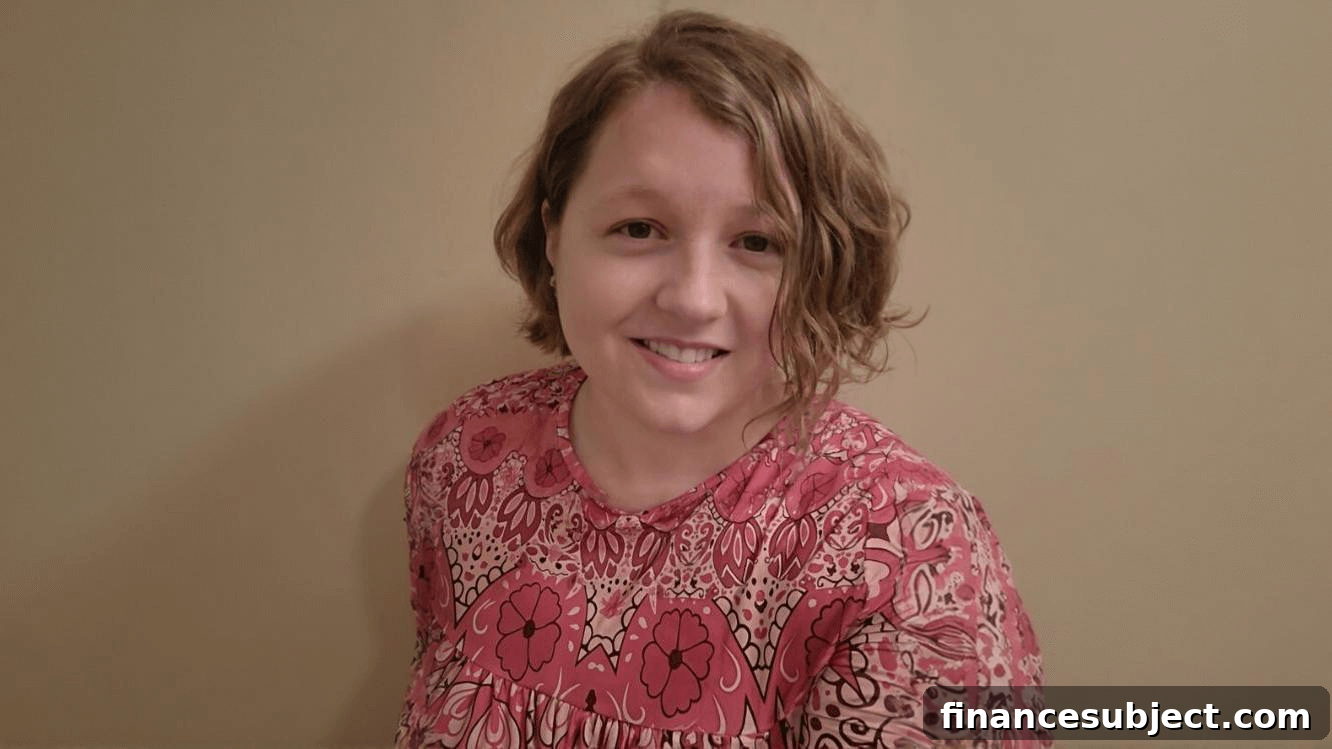
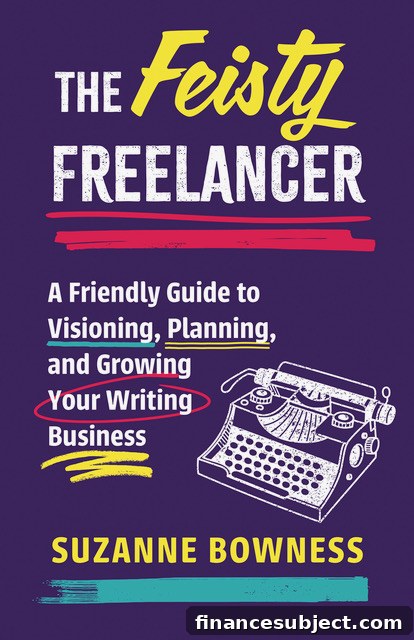
Suzanne (Sue) Bowness built a career as a writer, editor and content strategist—and learned that sound financial habits can matter as much to a freelancer’s success as strong grammar and a wide vocabulary. This year she collected those lessons in The Feisty Freelancer: A Friendly Guide to Visioning, Planning, and Growing Your Writing Business (Dundurn Press). Her byline has also appeared in publications ranging from The Globe and Mail to University Affairs.
Since 2002 Sue has offered content creation, editing and consulting services to corporate clients through her business, CodeWord Communications. Below she reflects on the experiences that shaped her approach to self-employment, practical money management and the thoughtful use of debt.
Who are your money/finance/investing heroes?
Early in my freelancing career I reviewed a number of business books, many of them about personal finance. Those books helped demystify topics like the stock market and investing language, and showed that money management can be learned. I wish money management had been taught in high school—I probably would have chosen it over some of the math I rarely use now. One early influence I appreciated was Suze Orman for her plainspoken, encouraging approach that made money feel approachable.
How do you like to spend your free time?
I enjoy walking—whether in nature or through city streets—travelling to new places, and exploring with fresh eyes. I read a lot and listen to podcasts and audiobooks. I also write fiction and poetry for pleasure, though it can be a challenge to make room for creative writing after a full day producing freelance work.
If money were no object, what would you be doing right now?
I’ve always wanted to write, and I enjoy all kinds of writing professionally. If money were no object, I’d reverse my schedule so that my creative work—fiction and poetry—got prime daytime hours instead of being squeezed into evenings.
What was your earliest memory about money?
My earliest money memory is receiving a dollar allowance from my parents for doing chores. We’d walk to the corner depanneur in a Montreal suburb: my brother would often buy a single large treat, while I preferred to cram as much penny candy as possible into a small bag to stretch across the week. That experience taught me to stretch money and to think about value and choice—was five two-cent gummy bears a better buy than a 10-cent lollipop? It also showed that people simply value different things.
What’s the first thing you remember buying with your own money?
Besides penny candy, I remember buying a cassette soundtrack from the movie Cocktail and ordering books from Scholastic.
What was your first job?
After some babysitting gigs, my first steady job was as a cashier at Kmart when I was 15; I also worked in the garden centre. I still recall the tension when a register tape jammed, and I can still tell the difference between impatiens and petunias. I probably used my first paycheque to save for band camp that summer—until I had to quit when my manager wouldn’t grant the time off.
What was the biggest money lesson you learned as an adult? What would you do differently today?
Start saving earlier. I remember a bank ad that compared the outcomes of someone who started saving at 23 with someone who started at 30; seeing it at 28 made me feel behind. As a freelancer, another critical lesson was to put aside taxes and HST in a separate account so the money is available at tax time—otherwise it’s far too easy to spend it.
What’s the best money advice you’ve ever received?
Pay off the highest-interest debt first—credit cards, for example. I’ve also learned the value of keeping access to low-interest credit to smooth cash-flow gaps in a freelance business where invoices are often paid 30 days after submission. For larger projects, I now ask for a deposit—commonly 30% to 50%—to reduce risk and provide working capital.
What’s the worst money advice you’ve ever received?
I’m skeptical of the all-or-nothing advice that prescribes rigid rules for everyone—like the obsession with skipping specialty coffees. If a coffee helps you get an hour of productive work done or simply brightens your day, that small purchase can be worth it. Moderation matters, and money should also buy enjoyment today, not only a secure future.
Would you rather receive a large sum of money all at once or a smaller amount every week/month for life?
Freelancing has taught me to appreciate regularity. I often get large payments at the midpoint or completion of projects and then nothing for weeks, so I’m curious about the stability that steady recurring deposits would bring.
What do you think is the most underrated financial advice, tip, or strategy?
Evaluate each purchase on its own merits. Just because something fits your budget doesn’t mean it’s a sensible splurge. Know the prices of the items you buy frequently so you can spot real bargains and avoid marketing tricks. That awareness helps you discern when a sale is actually a sale.
What is the biggest misconception people have about growing money?
That there’s a deadline after which it’s too late to improve finances. I ramped up saving in my 30s and it made a difference; it’s never too late to start. Another misconception is that self-employed people can’t have benefits or retirement plans—many of us do arrange private benefits and plan for retirement deliberately.
Can you share a money regret?
Not starting to save earlier is my main regret. Still, I believe it’s never too late; these days I encourage others to begin saving as soon as they can.
What does the word “value” mean to you? And what is something you don’t mind spending money on that someone else might not?
Value, for me, includes supporting creators and respecting copyright. I won’t download illegally; I prefer to pay for legal streaming, books and music so the creative infrastructure is supported, even though artists don’t always receive a large share of the revenue.
What’s the first major purchase you made as an adult? What purchase took the most amount of time for you to decide to buy?
I bought my first house in my mid-40s after living in Toronto for many years. To make homeownership part of my long-term plan I moved outside the expensive city and patiently searched for a property that fit my budget. Finding the right home took time and consideration.
Also read
Best low interest credit cards in Canada
What’s your take on debt?
I prioritize paying down high-interest debt faster than lower-cost debt, but I don’t fear debt. As a freelancer, slow client payments mean I sometimes rely on a line of credit; that flexibility helps me run my business. I’m comfortable paying some interest when it’s manageable. I distinguish between crippling debt and strategic borrowing—mortgages, for instance, can be “good” debt if they align with your goals.
What was your most recent splurge?
A winter trip to a Caribbean resort in February—escaping the Canadian cold felt necessary rather than indulgent.
What is the last money-related book you read?
I recently read The Psychology of Money by Morgan Housel. After reading many practical finance books, it was refreshing to focus on the emotional side of money and to recognize that money anxieties are common and often less unique than we imagine.
What is something you always have in your wallet?
Some cash for farmer’s markets and small emergencies.
What is your favourite possession?
My two cats.
What’s your next money goal?
To rebuild my emergency fund after the expenses of buying a house, and to save for another trip.
My MoneySense lightning round:
Rent or own?
Own—although I rented until a few years ago.
Buy or lease?
Buy. I prefer to purchase used cars.
Save or invest?
Both.
Budget or not?
I keep a flexible, informal budget.
Newsletter
Get free MoneySense financial tips, news & advice in your inbox.
Read more My MoneySense profiles:
- Aimee Schalles on confronting your marriage’s hard questions early
- “Our goal is to have properties all over the world”: Sara Loriot on dreaming big
- Justin Dallaire on making the right money decisions for you
- Hina Khan on escaping habits that hinder success