
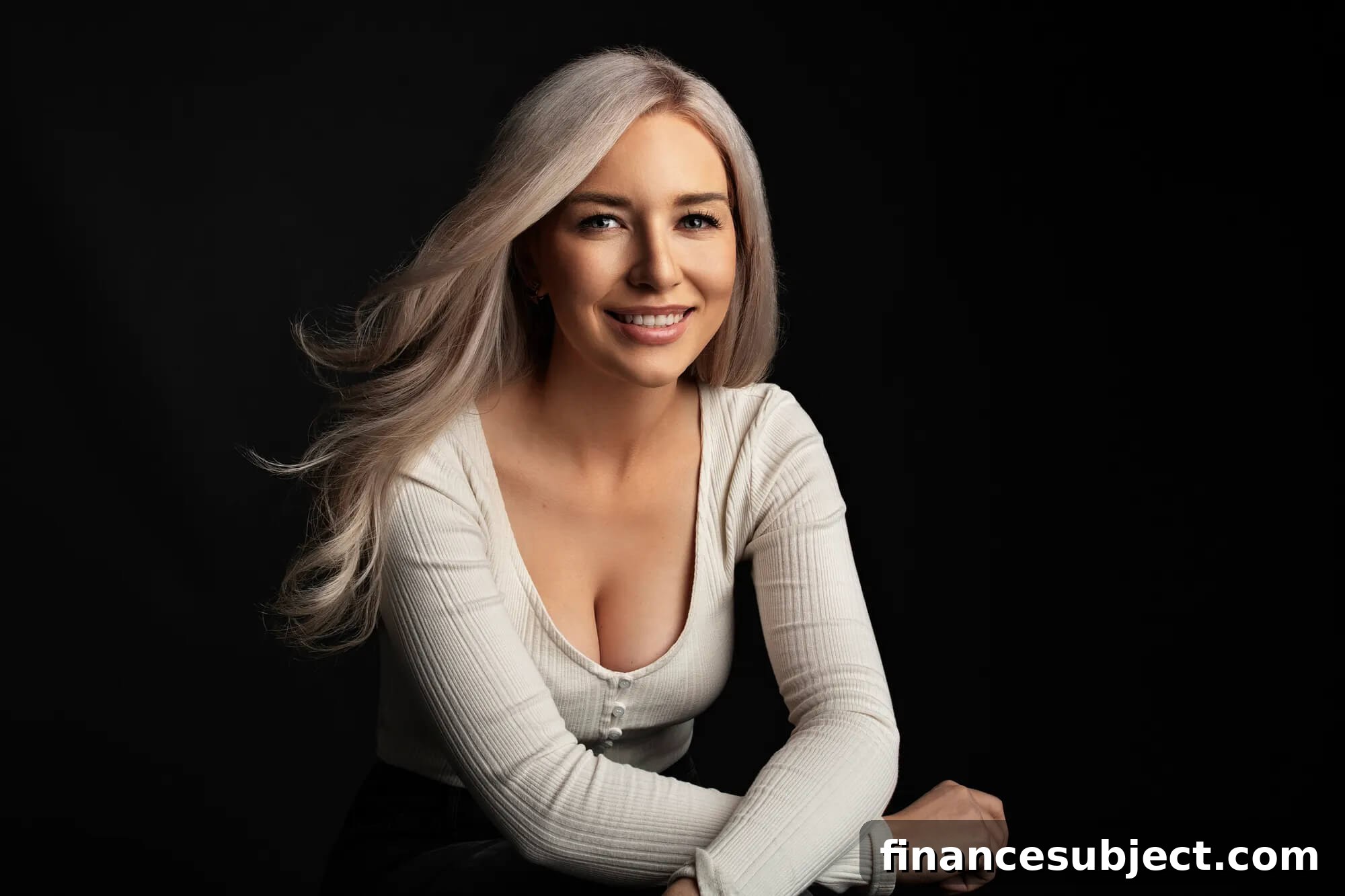
Tara Bosch didn’t just create a candy company—she built a purpose-driven global brand. The founder of SmartSweets disrupted the confectionery category, growing the business from her kitchen to international retail shelves, pitching on Dragons’ Den, and ultimately selling the company in 2020 for $360 million, all before turning 30.
In this My MoneySense profile, Bosch shares the financial lessons that guided her journey: the importance of cash flow, how to use strategic debt, the value of investing in yourself, and learning to trust your instincts. Her approach to money is rooted in curiosity, intentionality and long-term thinking. She offers practical guidance for founders and anyone aiming to grow both wealth and meaningful impact.
Look for her this week as she returns to the Den—this time as a dragon, investing in other entrepreneurs.
Who are your money heroes?
I’m inspired by investors who act with purpose and conviction, especially women who invent new categories. Sara Blakely was a major influence early on—she didn’t wait for permission or credentials, she followed her instincts and reinvested success to lift other women. The people I admire measure success as a marathon, not a sprint, and value impact as much as financial returns. That perspective shapes how I build companies and how I invest.
How do you like to spend your free time?
I recharge by moving my body, spending time outdoors at our pony-friendly farm, and being with the people I love. Travel is essential for me—not just for the experience but for the perspective it provides. I’m endlessly curious: I learn from books, podcasts and conversations with founders who think differently. Even my downtime usually includes some form of personal growth.
If money were no object, what would you be doing right now?
I wouldn’t change much. Financial freedom doesn’t mean stopping work; it means choosing work that matters. I feel most alive building things that challenge the status quo and improve people’s lives. If money were no object, I’d keep investing in mission-driven founders and ideas while continuing to build myself.
Rankings
Canada’s best credit cards for airport lounge access
What was your earliest memory about money?
I grew up with a single mother who took care of our family through challenging times, and my Oma supported us financially throughout my childhood. That combination of love and financial humility shaped me early on. I started working at 13 and held multiple full-time jobs through my teens and university, which gave me a strong drive for independence. I learned young that money equals options, and options equal freedom.
What’s the first thing you remember buying with your own money?
My first car. I saved $4,500 and my Oma matched it, so I bought a 2009 Honda Fit hatchback. What mattered wasn’t the car itself but the sense of accomplishment and independence that came with earning and saving for it.
What was your first job?
I worked at McDonald’s and saved every penny. I’ve always been inclined to save—not from fear, but because I liked knowing I was building toward something larger.
What was the biggest money lesson you learned as an adult?
Cash flow is oxygen—for life and for business. If cash flow is healthy, you can seize opportunities; if it’s constrained, options disappear.
What’s the best money advice you’ve ever received?
Invest in yourself: your skills, your health and your mindset. Those are assets that compound in ways money alone cannot. My highest-return investments have always been in personal development and growth.
What’s the worst money advice you’ve ever received?
“Play it safe.” If I had played it safe, SmartSweets wouldn’t exist. The biggest opportunities came from taking calculated risks that didn’t always look logical on paper. Safety rarely builds new categories—courage does.
Would you rather receive a large sum of money all at once or a smaller amount every week/month for life?
I’d choose a large sum if I could deploy it intentionally. Capital, used strategically, can generate long-term value and meaningful impact. Money is a tool—having flexibility to build matters to me.
What do you think is the most underrated financial advice?
Funding doesn’t always need to follow traditional equity routes. When I was starting SmartSweets, equity rounds felt out of reach, so I used a $105,000 debt financing loan to scale. That allowed me to keep majority ownership, allocate meaningful equity to employees, and reward advisors who were critical to our growth. Debt often gets a bad reputation, but when structured responsibly it can be a powerful lever.
What is the biggest misconception people have about growing money?
That it’s fast or linear. Real wealth usually grows quietly over time through consistent effort and compounding. Whether it’s business equity or investments, the pace is often slower than people want and larger than they expect if you stick with it.
Can you share a money regret?
No major regrets, but I wish I had trusted my instincts earlier in some decisions. Money choices can feel purely analytical, yet intuition matters—balancing analysis with instinct is powerful.
What does the word “value” mean to you?
Value means alignment—spending and investing in ways that reflect your priorities. I don’t mind spending on experiences, travel, learning, or health because those expand perspective and creativity, which ultimately create more value.
What’s the first major purchase you made as an adult?
I poured the earliest funds back into SmartSweets. There was no flashy purchase—every dollar went to inventory, packaging and product development. The business itself was the investment.
What’s your take on debt?
Debt is neutral: it’s a tool. Misused, it creates pressure; used strategically, it creates leverage. For me, debt financing preserved ownership and helped build long-term value. The key is understanding your cash flow and risk tolerance before taking it on.
Featured travel credit cards
Scotiabank Gold American Express Card
GO TO SITE
American Express Cobalt Card
GO TO SITE
MBNA Rewards World Elite Mastercard
GO TO SITE
What was your most recent splurge?
Travel. I prioritize experiences over possessions—the return on perspective is exponential.
What is the last money-related book you read?
I tend to choose books focused on mindset and long-term thinking rather than tactical finance manuals. I’m drawn to titles about building, leadership and compounding impact—because money usually follows value creation.
What is something you always have in your wallet?
A handwritten reminder that grounds me and reconnects me to why I started. When you scale a company, it’s easy to get pulled in many directions; staying rooted in purpose matters.
What is your favourite possession?
My daughter Willa’s baby memory boxes. They hold ordinary, tiny keepsakes that capture an extraordinary season of life—growth, love and the way small moments become everything. They remind me that the messy, imperfect early days often prove most meaningful, whether raising a child or building a company.
What’s your next money goal?
To continue building and investing in companies that improve people’s lives and to mentor founders so our collective impact compounds far beyond what any one of us could build alone.
My MoneySense lightning round
Rent or own?
Own, when it aligns with your life stage and needs for stability.
Buy or lease?
It depends on the asset and your intention. Ownership builds equity; flexibility has its own value.
Save or invest?
Both: save for security and invest for growth.
Budget or not?
Always know your numbers. Live within your means, but design your means around what matters most.
CBC’s long-running series Dragons’ Den marks its milestone 20th season with a two-episode Full Circle finale event airing on the dates and times announced by the broadcaster.
Newsletter
Get free MoneySense financial tips, news & advice in your inbox.
Read more from My MoneySense:
- Joanna Griffiths on the money lessons that shaped her life and business
- Don’t be afraid to ask for an advance: Suzanne Bowness on budgeting for freelancers
- Aimee Schalles on confronting your marriage’s hard questions early
- “What a dumb mistake that was”: Dilys D’Cruz on money lessons and painless saving