
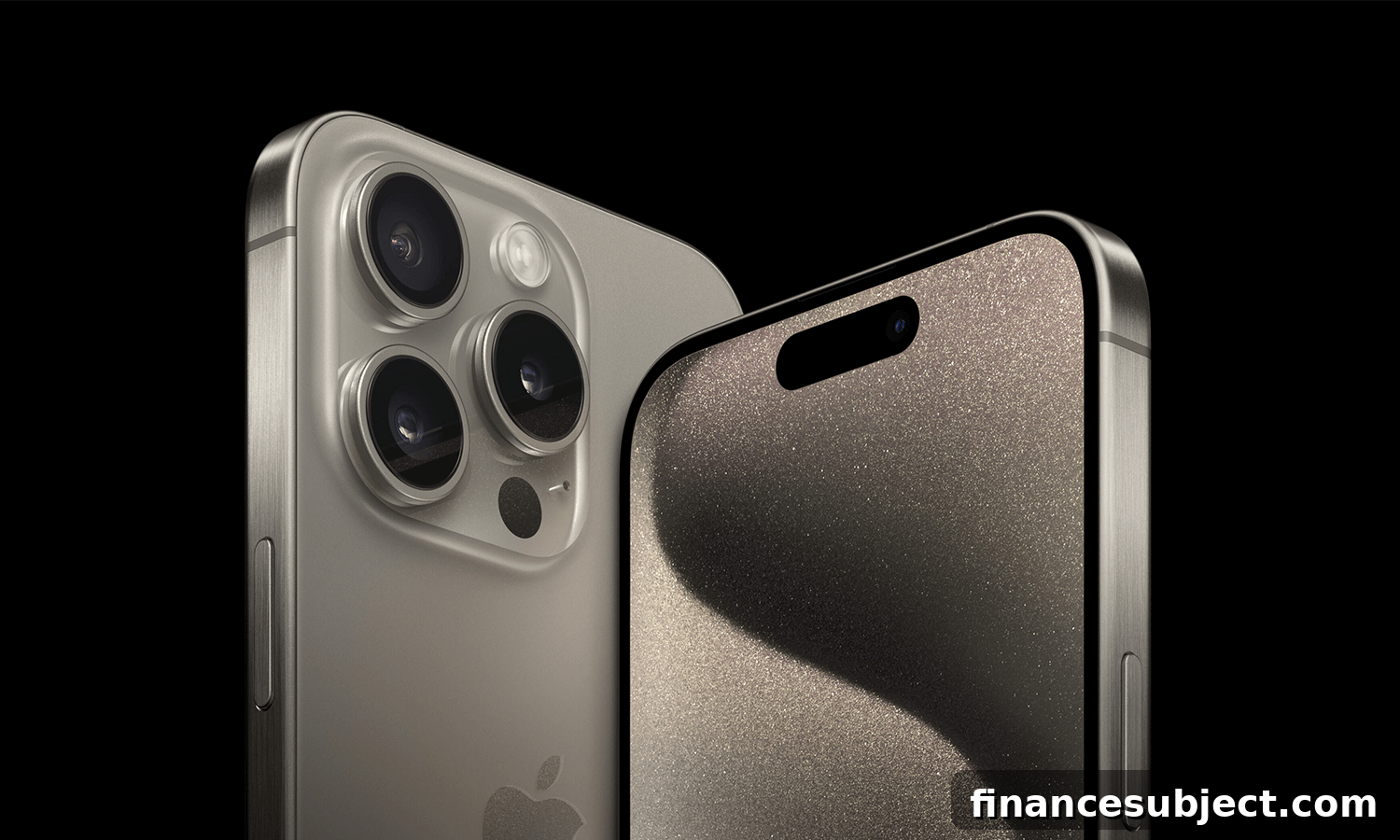
Apple unveiled the iPhone 15 family — the iPhone 15, iPhone 15 Plus, iPhone 15 Pro and iPhone 15 Pro Max — on Sept. 12. The Pro models introduce a new, lighter chassis made from aerospace-grade titanium and a customizable Action button that can be set to record voice memos, toggle Focus modes like Do Not Disturb, and will eventually enable real-time speech translation. The lineup also delivers camera improvements, including better Night mode and Portrait performance and a dedicated telephoto lens on the iPhone 15 Pro Max. Apple has replaced the Lightning connector with USB-C across the new models.
How much is the iPhone 15?
The iPhone 15 series carries premium prices. Current starting prices are:
- iPhone 15: starts at $1,129
- iPhone 15 Plus: starts at $1,229
- iPhone 15 Pro: starts at $1,449
- iPhone 15 Pro Max: starts at $1,749
Deciding whether to upgrade depends on your budget, the condition of your current phone and whether you need the new capabilities. Below are practical considerations to help you decide whether to buy immediately, wait for prices to fall, or choose an older or refurbished model.
How can you buy the iPhone 15 series?
The iPhone 15 line became available on Sept. 22, with pre-orders open earlier. You can either buy the device outright from Apple, a carrier, or a retailer, or spread the cost over monthly payments. Each route has different trade-offs: total cost, interest, and contract requirements.
Buying an iPhone 15 from Apple
When purchasing directly from Apple and choosing monthly financing, Apple applies an interest rate of 7.99% over 24 months. For example, financing the base iPhone 15 at that rate leads to an estimated monthly payment of $51.05, totaling about $1,225.35 over two years. The iPhone 15 Pro Max would be roughly $79.09 per month, totaling approximately $1,898.26 over 24 months. Upgrading storage or adding AppleCare+ will increase the monthly amount.
Buying an iPhone 15 from a cell phone carrier
Carriers often offer 0% APR payment plans but typically require you to sign a service contract and may ask for a down payment depending on the provider. For example, one carrier may require a substantial down payment for certain models while others allow financing with no upfront cost. Carriers sometimes offer upfront discounts in exchange for returning the device after a set period, which can lower short-term cost for people who upgrade frequently.
What about Rogers’ new Equal Payment Plan?
Rogers launched an Equal Payment Plan that lets customers finance a device with no interest as long as payments are made on time. To use the plan, you must pay with a Rogers Bank credit card at a Rogers, Fido or Shaw branded store. You can choose 36- or 48-month terms, which reduce monthly payments compared with a 24-month plan, though the total device cost remains the same. You may also repay the balance early if you prefer.
Can you afford to upgrade your phone?
New phones are a significant expense. If you choose a payment plan that charges interest, the total cost will rise. Don’t forget the ongoing cost of a mobile service plan — that can add another monthly expense depending on your chosen data and features. Be realistic about whether buying a new phone makes financial sense for you.
Tech expert Amber MacArthur notes that with all four new iPhones priced above $1,000, the purchase is a substantial financial commitment for many. If your current device is only a few years old, it may still serve well for everyday use. Upgrading is most justifiable when the new features support your work or business — for instance, improved camera capabilities for content creators or professionals who rely on advanced mobile photography.
Can you trade in your old iPhone for a newer model?
Most major carriers and retailers offer trade-in programs that reduce the cost of a new phone or provide store credit. Trade-in values vary widely depending on the model and its condition. Some programs advertise credits up to several hundred dollars for eligible devices, but the exact amount depends on device age, condition and model.
Should you buy a refurbished phone?
A refurbished iPhone can be a smart, budget-friendly choice. These devices have been repaired and tested to meet functional standards, often offering near-new performance at a lower price. Buying refurbished from well-known retailers or manufacturer-certified programs reduces the risk of receiving a poor-quality or misrepresented device, compared with peer-to-peer marketplaces.
Replacing a damaged iPhone
If your phone is damaged, consider repair options before buying new. Apple has expanded access to manuals, parts and tools for self-service repair of certain devices, and it has publicly supported right-to-repair legislation in some regions. That could make it easier to replace components like a battery without visiting a retail store. Self-repair options are being expanded to additional countries over time.
Governments are also looking at right-to-repair policies for broader electronics coverage, so repair access and affordability may improve in coming years.
Remember: You don’t have to buy the latest iPhone
The newest features are attractive, but you don’t need to upgrade every year. Buy a new phone when you truly need it — for example, when your current device no longer functions reliably or when new capabilities are essential for your work. Otherwise, a recent model, a refurbished device, or a trade-in deal can deliver the performance you need at a lower cost.
More personal finance news:
- Multigenerational Home Renovation Tax Credit: What is it and do you qualify?
- RBC offers Avion Rewards members exclusive ticket allocation for Taylor Swift
- How to deal with money and your finances when the economy is stressing you out
- How much credit card debt does the average Canadian have?