
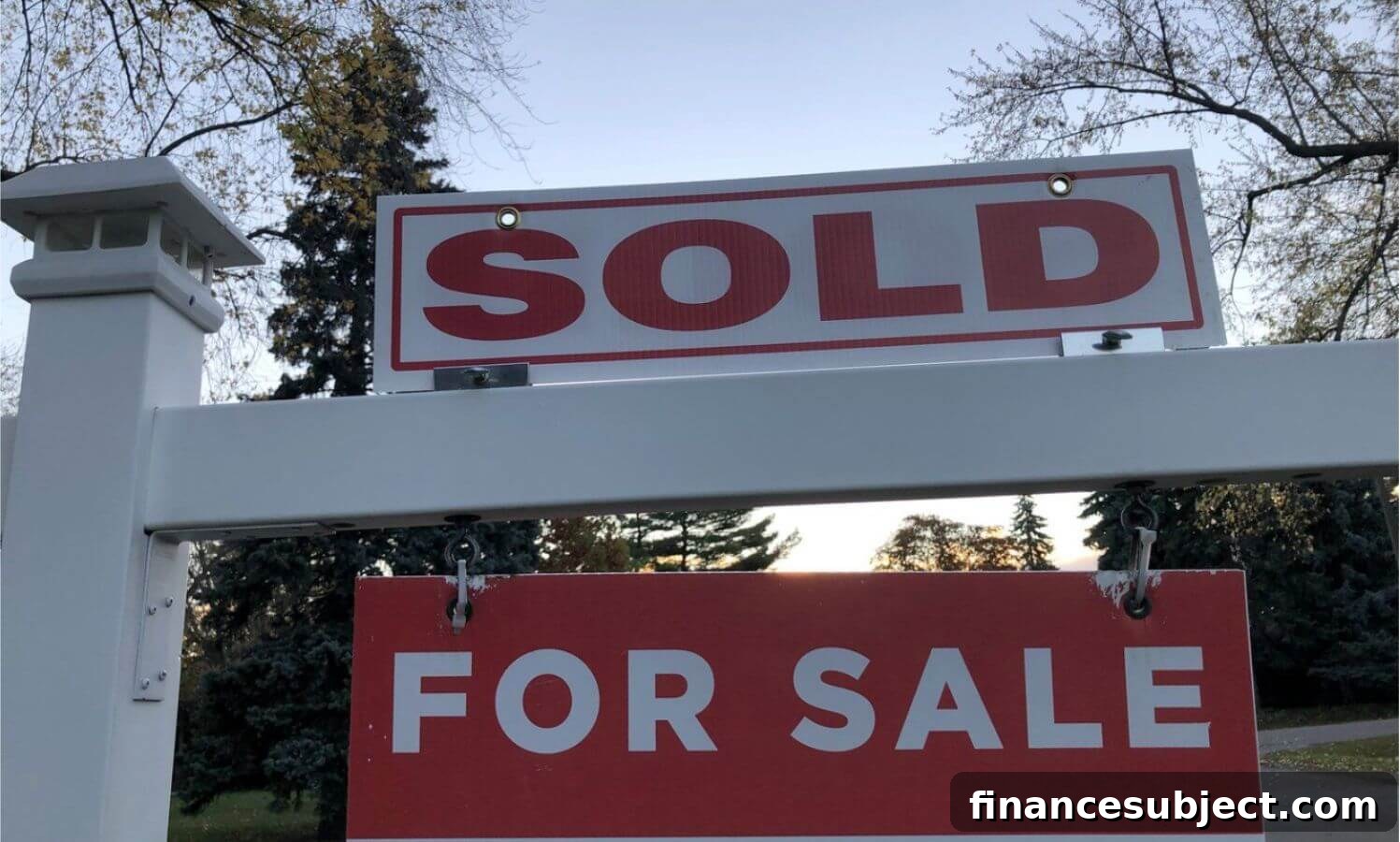
Clearing clutter, touching up paint and staging rooms so your home looks its best are familiar tasks for anyone preparing to sell. Those jobs grow more complicated when you plan to sell on your own to save on Realtor commissions. Selling without an agent can cut some costs, but it also adds responsibilities and exposes you to hidden expenses and legal pitfalls.
On average, sellers pay about 3–5% in commission on a home sale. For a property that sells for $1 million, that can translate to roughly $50,000 in agent fees. In a market with rising mortgage renewal rates and falling prices in some areas, for-sale-by-owner (FSBO) listings can seem attractive. Still, homeowners should understand what the process really entails before deciding to go it alone.
Preparing and listing your home
“There’s a ton of behind-the-scenes work to prepare a home for the market,” says Colin Noble, a real estate broker in Uxbridge, Ontario. The preparation often starts long before any listing goes live: small repairs, repainting, deep cleaning, decluttering and packing personal items are all common. Many sellers rent storage and move furniture to stage rooms so the space photographs and shows well.
Good listing photos and broad online exposure are crucial to attract buyers. Most experienced sellers and professionals recommend getting on a multiple listing service (MLS) because it reaches the largest audience. For homeowners selling themselves, flat-fee MLS services or third-party listing platforms typically charge between $500 and $1,500, though some offer lower monthly plans instead of a single upfront fee.
Resource highlight
You’re 2 minutes away from getting the best mortgage rates.
Answer a few quick questions to get a personalized quote, whether you’re buying, renewing or refinancing.
Powered by ratehub.ca
After the listing is posted, the seller takes on many of the tasks an agent would normally handle. That includes answering inquiries, arranging and conducting showings, and responding quickly to interested buyers. As Rob Reay, owner of a home-listing site for FSBO sellers, explains, buyers often have limited time and may request an immediate showing after driving past and seeing a sign. Being available and professional during showings improves your chances of a successful sale.
Conducting showings requires preparation: make the home welcoming, be present for the viewing, and be ready to highlight features and answer questions. Sellers must also manage negotiations, offers, conditional clauses and the timeline to closing—tasks that many agents normally coordinate.
The hidden costs of selling solo
One of the biggest misconceptions among sellers who go it alone is that they will avoid all commission costs. “What they don’t realize is you’re still likely going to be paying the buyer’s agent a commission,” Noble says. Most buyers work with an agent, which means a FSBO seller often still pays the buyer’s representative—typically around half the total commission if the overall rate is 5%.
Accurate pricing is another challenge. Homeowners frequently overvalue their property because of emotional attachment or outdated comparisons. Without current market data and pricing expertise, you risk listing at the wrong price and missing buyers or leaving money on the table. Letting the market guide the asking price helps attract the right offers.
There are also legal and logistical issues that can be complex. Real estate transactions involve contracts, conditional clauses, title searches, mortgage payoffs and timelines. Reay and legal professionals stress using a real estate lawyer for all paperwork. “Use a lawyer for everything you’re doing, whether you’re buying or selling,” Reay advises.
Edward Carmichael, a managing lawyer at a real estate law firm, warns that people selling without an agent often don’t know what they don’t know. Complications can arise from tenant-occupied properties, financing falling through, or misunderstandings in offer terms. In many provinces, a lawyer or notary must complete certain closing tasks, so engaging legal counsel early can protect you from costly mistakes. Lawyers can clarify contract language and handle required legal steps, though they do not replace the market knowledge and pricing expertise a Realtor provides.
Newsletter
Get free MoneySense financial tips, news & advice in your inbox.
Read more about real estate:
- Where to buy real estate in Canada
- Is real estate the best investment for a Canadian retiree?
- How to make an offer on your first home